
Trucks For Sale Near Warsaw, New York
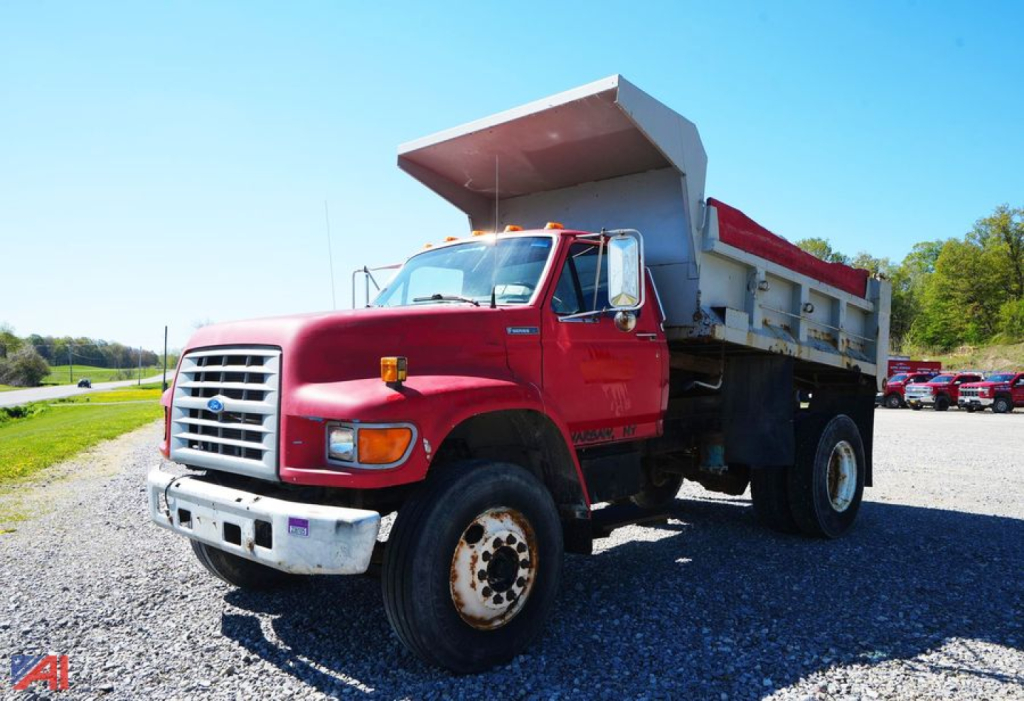
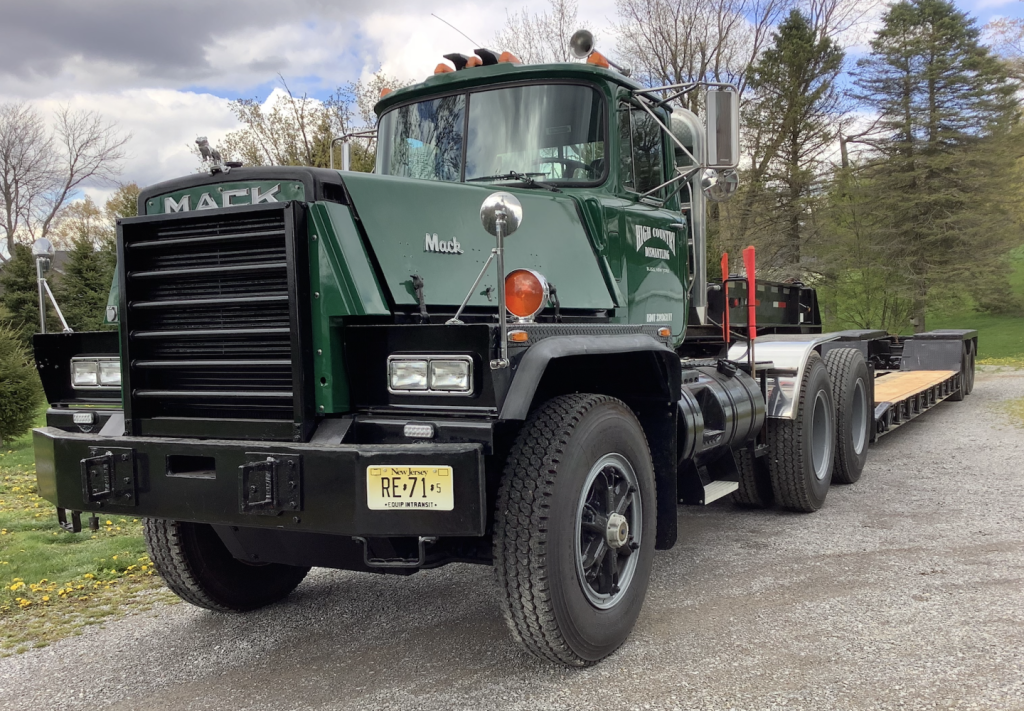
Browse trucks for sale in Warsaw, New York, including pickup, van, dump, and heavy-duty work truck options for commercial and municipal use.
Learn more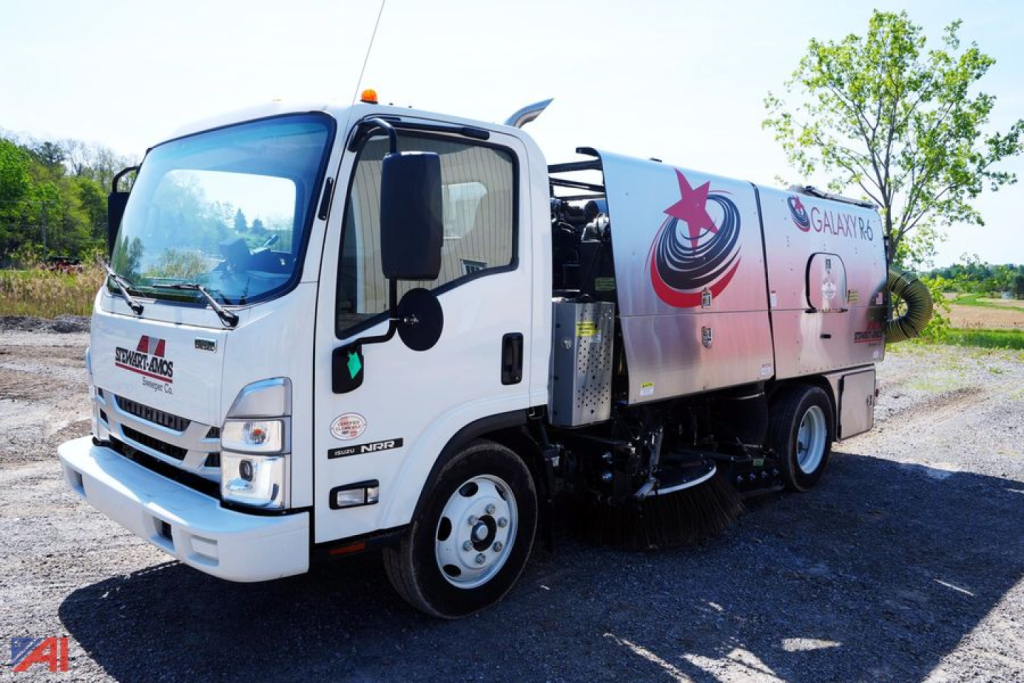
Have truck to sell? List it here to reach thousands of buyers.
About Trucks Near Warsaw, New York
For most buyers, the key decision points are GVWR, axle rating, wheelbase, drivetrain, and body configuration. Light and medium-duty trucks are often chosen around payload, bed length, cab style, and whether 4x4 is needed for jobsite access or winter traction. On dump and severe-duty trucks, buyers should look closely at frame condition, hoist type, body size, brake setup, transmission spec, rear suspension, and PTO or hydraulic equipment. Engine horsepower matters, but torque curve, transmission gearing, and rear axle ratio usually tell you more about how the truck will perform under load. If the truck will pull trailers, pay attention to hitch type, towing capacity, brake controller integration, and any wetline or pintle setup already installed.
In western and upstate New York, corrosion history is a major buying factor. Frame rails, cab corners, crossmembers, spring hangers, brake lines, dump bodies, and underbody hardware deserve a careful inspection, especially on municipal or snow-service trucks. Service records are valuable because many work trucks spend long periods idling, operating PTO equipment, or running short-route duty cycles that do not show up fully in mileage alone. On heavier used trucks, hour meter readings, clutch or automatic transmission condition, differential service history, and tire date codes can be just as important as odometer miles. Buyers comparing older vocational trucks should also verify emissions generation, parts support, and whether the truck’s current spec still matches the work it is expected to handle.
A broad trucks for sale category is best approached by narrowing the application first, then matching chassis and body specs to that work. Contractors may prioritize payload and trailer capacity. Municipal buyers often focus on PTO readiness, dump or plow compatibility, and durability in winter service. Small businesses may need a reliable van or pickup with manageable operating costs and easier driver qualification. The right truck is the one with a chassis rating, drivetrain, and equipment package that fits the job without forcing unnecessary maintenance, licensing, or fuel expense.
Frequently Asked Questions
What should I look for first when comparing trucks for sale?
Start with the truck’s intended application and confirm the chassis is rated for that work. GVWR, payload, towing capacity, axle ratings, wheelbase, drivetrain, and body style should all support the job before you compare cosmetic condition or brand preference. A truck that is underspec'd will wear out quickly, while one that is overspec'd can add unnecessary fuel, maintenance, and registration costs.
Are mileage and engine hours equally important on used work trucks?
Yes, especially on vocational and municipal trucks. Mileage shows road use, but engine hours often reveal how much idle time or PTO operation the truck has seen. A dump truck, service truck, or municipal unit may have relatively low miles and still have substantial wear from idling, hydraulic operation, stop-and-go routes, or seasonal heavy-duty use.
Why is rust inspection so important on trucks in New York?
Road salt, snow-duty service, and freeze-thaw exposure can accelerate corrosion on frames, bodies, brake lines, electrical connections, and suspension components. In New York, a solid mechanical truck can still become an expensive ownership problem if the frame rails, crossmembers, spring mounts, cab supports, or body structure are badly rusted. A careful underbody inspection is essential before purchase.
What is the difference between a pickup, a van, and a vocational truck?
A pickup is usually the most flexible option for light hauling, towing, and general fleet use. A van or cutaway truck provides enclosed space for cargo, tools, or service equipment and often works better for trades or municipal support. A vocational truck, such as a dump truck or severe-duty chassis, is built for specialized work with heavier frames, PTO capability, hydraulic systems, higher axle ratings, and application-specific suspensions.
How do I know if a truck is properly spec'd for towing or equipment hauling?
Look beyond engine horsepower and verify GCWR, rear axle ratio, transmission model, suspension rating, brake configuration, hitch type, and any auxiliary hydraulic equipment. For heavier trailer work, details like pintle capacity, fifth wheel rating, wetline setup, and frame reinforcement matter more than appearance. The truck should be matched to the loaded trailer weight, terrain, and duty cycle it will actually see.