
Used Trucks For Sale in Idaho
Browse used trucks for sale in Idaho, including vocational and fleet units with diesel power, PTO setups, service bodies, tanks, and hauling options.
Learn morePopular Trucks Categories
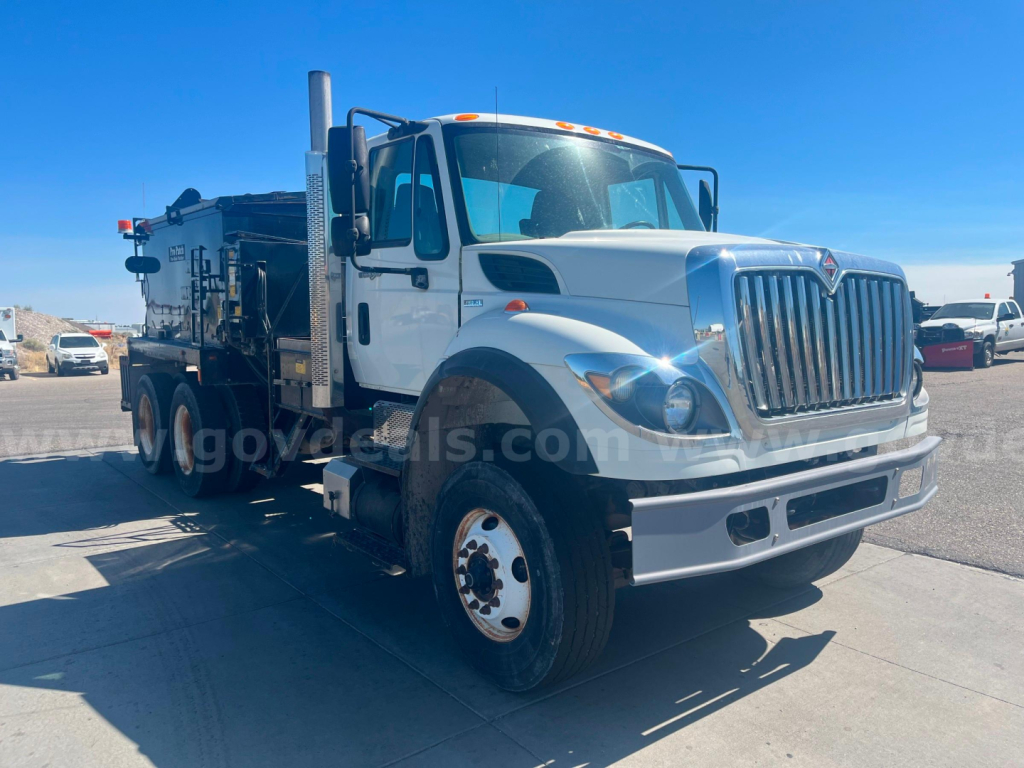
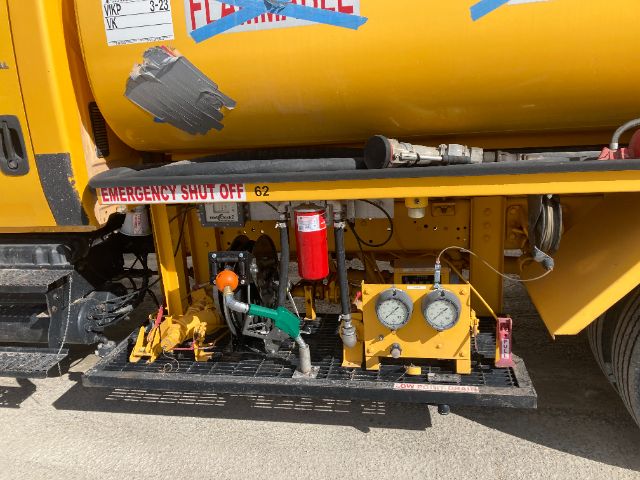
Have used truck to sell? List it here to reach thousands of buyers.
About Used Trucks in Idaho
A used truck should be evaluated by job type before make or model. A day cab tractor set up for regional hauling has very different priorities than a fuel truck, service truck, dump truck, flatbed truck, or box truck. Buyers comparing vocational units should pay close attention to axle ratings, wheelbase, suspension type, PTO provisions, body manufacturer, tank or bed condition, and any pump, reel, liftgate, crane, or hydraulic equipment mounted to the chassis. On specialized trucks such as fuel and lube units, inspection status, tank certification, hose reel condition, meter accuracy, and product compatibility are central to value. On delivery and freight equipment, cargo body dimensions, door configuration, floor condition, and liftgate capacity often drive usability more than the chassis badge.
In Idaho, truck spec also needs to match terrain and season. Steeper routes and mixed paved-unpaved use tend to favor the right rear axle ratio, sound driveline components, and braking systems with enough reserve for grade work. Buyers working in agriculture, logging, energy, or remote construction may prioritize locking differentials, higher ground clearance, heavier front axles, and simpler emissions-era engines that are easier to maintain in the field. For lighter municipal, maintenance, or local route work, a medium-duty truck with a proven diesel such as an International DT466, Cummins B or ISC platform, or comparable fleet engine can be attractive because parts support and service familiarity are strong across much of the region.
Condition matters more than age on a used truck, especially when the truck has been fleet maintained or used in a controlled-duty application with low miles and documented service. Buyers should review engine hours alongside odometer miles, check for idle-heavy wear, verify transmission operation under load, and inspect frame rails, crossmembers, wiring, and any body-mounted equipment for corrosion, repair history, or modification quality. A clear understanding of GVWR, CDL requirements, brake type, fuel system, and intended payload will narrow the field quickly and help identify a truck that fits Idaho operating conditions without overspending on capacity you do not need.
Frequently Asked Questions
What should I look for first when buying a used truck in Idaho?
Start with the truck’s intended application, GVWR, and drivetrain configuration. Idaho operating conditions can include mountain grades, winter weather, rural roads, and long service intervals, so buyers should inspect engine health, transmission performance, brake condition, cooling system integrity, tire spec, and axle ratings before focusing on appearance. Service records, engine hours, and signs of PTO or vocational equipment wear are especially important on trucks that have spent time idling or running auxiliary systems.
Are diesel trucks the best choice for most used truck buyers?
Diesel trucks are still the preferred choice in many medium-duty and heavy-duty applications because they deliver strong low-end torque, longer service life in commercial use, and good compatibility with PTO-driven equipment. They are especially common in hauling, fuel service, flatbed work, dump applications, and rural fleet operations. Gasoline trucks can make sense in lighter local-duty cycles, but most buyers shopping used commercial trucks for Idaho work will find more chassis options and better vocational suitability in diesel-powered units.
How do I evaluate a used vocational truck like a fuel truck or service truck?
Evaluate both the chassis and the upfit as separate assets. On the chassis side, check the engine, transmission, suspension, brakes, frame, and electrical system. On the body or tank side, inspect pumps, PTO engagement, reels, meters, valves, tool compartments, tank condition, and any required certifications or inspection paperwork. A fuel truck should also be reviewed for cargo tank compliance, hose and nozzle condition, filtration components, and evidence of proper maintenance because the mounted equipment often determines the truck’s real working value.
Does mileage matter more than engine hours on a used truck?
Mileage is important, but engine hours can tell a better story on many commercial trucks. A low-mile truck with high idle time may have significant wear in the engine, PTO system, cooling components, and emissions equipment despite limited road use. This is common on municipal, airport, utility, and service applications. Buyers should compare miles, hours, maintenance records, and overall component condition together rather than relying on the odometer alone.
What truck features are most useful for Idaho fleets and owner-operators?
Useful features depend on the job, but Idaho buyers often benefit from strong cooling capacity, effective engine braking, proper rear axle gearing for grades, durable suspension, and tire setups suited to mixed terrain. For vocational use, PTO capability, hydraulic provisions, body integrity, and accessible service points are important. For regional and local hauling, buyers should also consider cab comfort, visibility, fuel capacity, and parts support for common engine and chassis platforms used throughout the Northwest.