
Truck and Trailer Trucks For Sale in Ohio
Browse truck and trailer combinations for sale in Ohio, including road-ready tractor and trailer packages built for freight, regional, and long-haul work.
Learn moreBrowse Truck and Trailer Trucks by Make
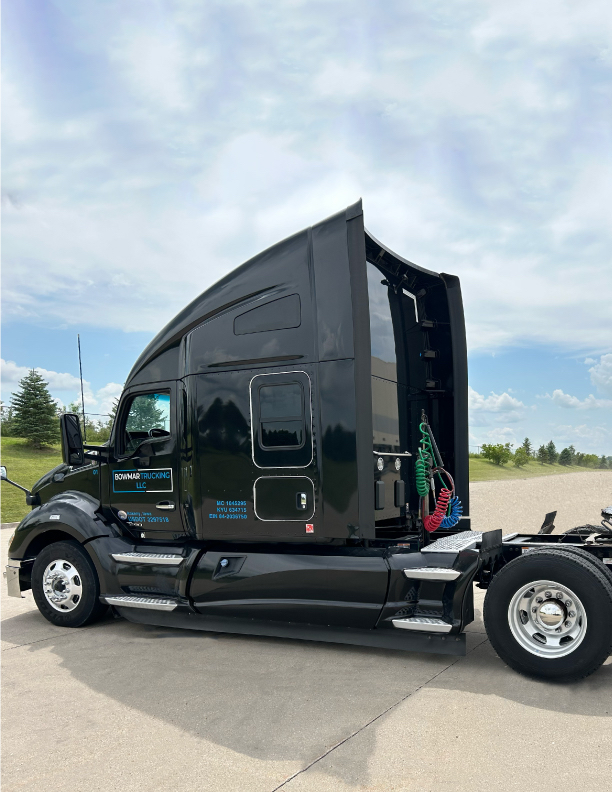
Have truck and trailer truck to sell? List it here to reach thousands of buyers.
About Truck and Trailer Trucks in Ohio
The first thing to evaluate is how the truck spec matches the trailer and the freight you plan to move. Common tractor specs in this class include tandem axle sleeper or day cab configurations, diesel engines in the 400 to 500 horsepower range, and automated or manual transmissions paired with highway gearing. On the trailer side, 53-foot dry vans are common, often with air ride suspension, swing or roll doors, logistic posts, and options like tire inflation systems or scuff liners. Buyers should pay close attention to axle ratings, GVWR, suspension type, tire condition, brake life, and whether the tractor's fifth-wheel setting and wheelbase make sense for bridge compliance and weight distribution.
A matched truck and trailer package can offer a real operating advantage if the prior owner spec'd it for fuel economy and freight efficiency. Aerodynamic sleepers, automated transmissions, all-aluminum wheels, low-rolling-resistance tires, and trailer aero equipment can all help on longer interstate runs. If the trailer is a dry van, inspect the floor, roof, rear frame, door seals, crossmembers, and wall condition. If the tractor is a sleeper, check bunk layout, cab insulation, HVAC performance, and driver comfort features that matter on overnight work. Maintenance history is critical on both sides of the combination, because a strong tractor does not offset a neglected trailer, and vice versa.
For many buyers, the value of a truck and trailer setup comes down to total cost to put it on the road immediately. That includes not just purchase price, but tire age, emissions system history, suspension wear, brake measurements, and any recent work to items like kingpins, bushings, wheel seals, or air system components. In Ohio, buyers often look for combinations suited to general freight, dedicated contract lanes, and cross-state or multi-state operations where reliability and cargo capacity drive profitability. A well-matched truck and trailer package can simplify fleet expansion, help an owner-operator get rolling faster, and reduce the guesswork that comes with mixing separate units from different sources.
Frequently Asked Questions
What is included in a truck and trailer combination listing?
A truck and trailer combination listing typically includes a road tractor and a freight trailer being sold as a package. The tractor may be a sleeper or day cab, and the trailer may be a dry van, reefer, flatbed, or another trailer type depending on the application. Buyers should confirm the exact trailer length, suspension, axle setup, and whether both VINs, titles, and maintenance records are available as part of the sale.
What should I check first when buying a used truck and trailer package?
Start with compatibility, condition, and service history. Confirm the tractor is properly spec'd for the trailer and intended freight, including horsepower, axle configuration, wheelbase, fifth-wheel position, and weight ratings. Then inspect tires, brakes, suspension, engine and aftertreatment history, trailer floor and roof condition, and any signs of uneven wear or poor alignment. A combination package is only as strong as its weaker half, so both units need equal attention.
Are truck and trailer packages good for owner-operators?
Yes, they can be a practical choice for owner-operators who want a faster path to revenue. Buying a matched combination can reduce setup time, simplify spec decisions, and make it easier to start hauling without searching for a separate trailer. It can also help with planning total acquisition cost, especially when both pieces of equipment have recent maintenance, solid tires and brakes, and a documented service record.
What trailer types are most common in this category?
Dry vans are among the most common trailer types paired with highway tractors in this category, especially 53-foot trailers used in general freight. Reefer trailers are also common for temperature-controlled freight, while flatbeds and specialized trailers appear depending on the market. The right choice depends on cargo type, route profile, loading requirements, and how much weight versus cubic capacity matters in your operation.
Why does trailer condition matter as much as tractor condition?
Trailer condition directly affects uptime, cargo protection, DOT compliance, and operating cost. A trailer with worn brakes, aging tires, roof leaks, damaged floors, or rear frame issues can create expensive downtime even if the tractor is in strong mechanical shape. Buyers should inspect the trailer as carefully as the truck, including suspension components, air system integrity, door operation, floor wear, and structural condition.