
Trucks For Sale Near Topeka, Kansas
Browse trucks for sale in Topeka, Kansas, including day cabs, sleepers, vocational and specialty trucks for regional, OTR, and municipal work.
Learn more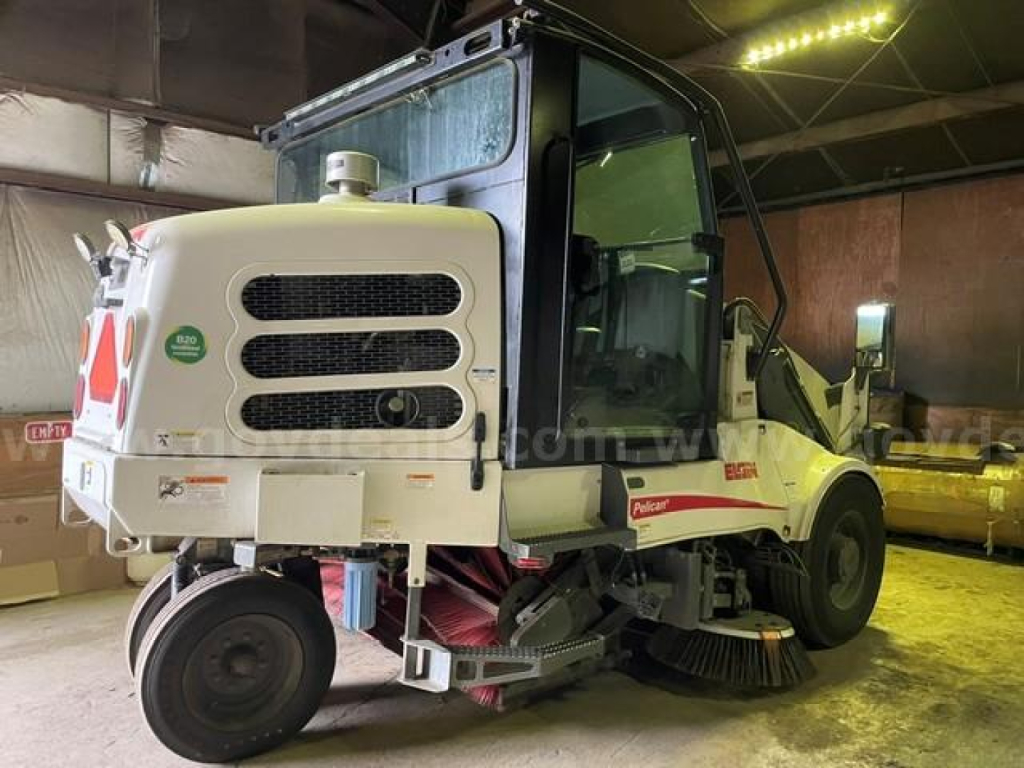
Have truck to sell? List it here to reach thousands of buyers.
About Trucks Near Topeka, Kansas
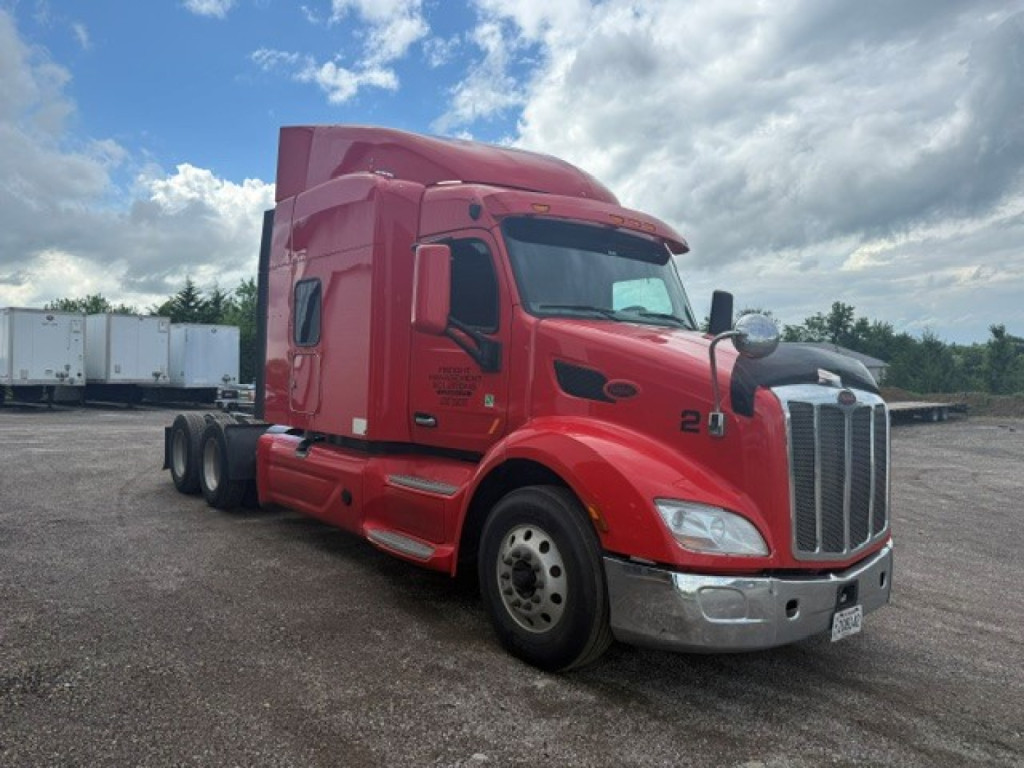
For highway use, buyers usually focus on engine and driveline specs first. A sleeper tractor used for over-the-road freight may prioritize fuel economy, aerodynamics, automated manual transmissions, and a rear axle ratio matched to cruising speed and terrain. Regional fleets may put more value on maneuverability, lower curb weight, and easy service access. In Kansas, trucks that regularly run I-70 and other open highway corridors often need a practical balance of horsepower and torque for wind, grade changes, and loaded interstate operation. Cab condition, suspension type, brake configuration, and tire wear patterns can reveal a lot about how a truck was spec'd and maintained.
Vocational and specialty trucks require a different evaluation. A sweeper, dump truck, service truck, hooklift, or utility body needs the chassis and PTO setup to match the body and hydraulic demand. Front axle capacity, frame strength, suspension rating, and cab-to-axle dimension matter as much as engine make. On municipal or government units, buyers should look closely at hours in addition to mileage, especially on equipment that spends time idling or operating auxiliary systems. Body condition, hopper or tank integrity, pump and broom hours, corrosion levels, and electrical function are often more important than cosmetic appearance alone.
Across the truck category, the best buying decisions usually come down to application fit and total cost of ownership. Maintenance records, engine hours, emissions system history, clutch or transmission service, aftertreatment performance, and signs of frame modification should all be reviewed before purchase. Buyers comparing trucks in Topeka often look for equipment that can handle a mix of local routes, farm and ag support, construction work, or long-haul lanes through the central plains. A truck that is correctly spec'd for payload, road speed, and duty cycle will usually outperform a cheaper unit that is mismatched to the work.
Frequently Asked Questions
What types of trucks are commonly found for sale in Topeka, Kansas?
Trucks for sale in Topeka commonly include sleeper tractors, day cabs, dump trucks, service trucks, municipal units, and specialty equipment such as sweepers. The local market often reflects a mix of freight hauling, construction, agricultural support, and public works use. That means buyers may see both highway-focused tractors and vocational trucks with PTO, hydraulic, or body-specific setups.
What should I check first when comparing used trucks?
Start with the truck's intended application, then verify the core specs that support that job. Engine rating, transmission type, axle ratio, GVWR, wheelbase, front and rear axle capacities, suspension, and brake setup should all match the work. After that, review service history, engine hours, mileage, emissions repairs, tire condition, frame integrity, and any signs of hard vocational use or excessive idle time.
Is mileage or engine hours more important on a used truck?
Both matter, but the priority depends on truck type. Highway tractors are usually judged heavily by mileage because road miles are the primary wear indicator. Vocational and specialty trucks often require closer attention to engine hours because they may spend long periods idling, running PTO-driven equipment, or working at low speed. A lower-mile truck with very high hours can show more wear than the odometer suggests.
What specs matter most on an over-the-road sleeper truck?
The key specs are engine horsepower and torque, transmission type, rear axle ratio, wheelbase, fuel capacity, suspension, and sleeper configuration. Aerodynamic package and weight also affect fuel economy. Buyers should also confirm the emissions system service history, look for signs of driveline vibration or uneven tire wear, and make sure the truck's gearing matches the cruising speeds and terrain it will actually run.
What should buyers watch for on municipal or specialty trucks like sweepers?
On municipal and specialty trucks, body and equipment condition can be just as important as the chassis. Buyers should check auxiliary engine or PTO operation, broom or brush wear, hopper or debris system condition, hydraulic leaks, electrical controls, and signs of corrosion from seasonal use. It is also important to compare hours to mileage, since many specialty trucks accumulate wear through idle time and equipment operation rather than highway miles alone.