
Step Van Trucks For Sale in New York
Browse step van trucks for sale in New York. Compare body sizes, GVWR, drivetrain, cargo access, and route-ready delivery specs.
Learn moreNo exact matches found for your search
Showing Step Van Trucks instead.
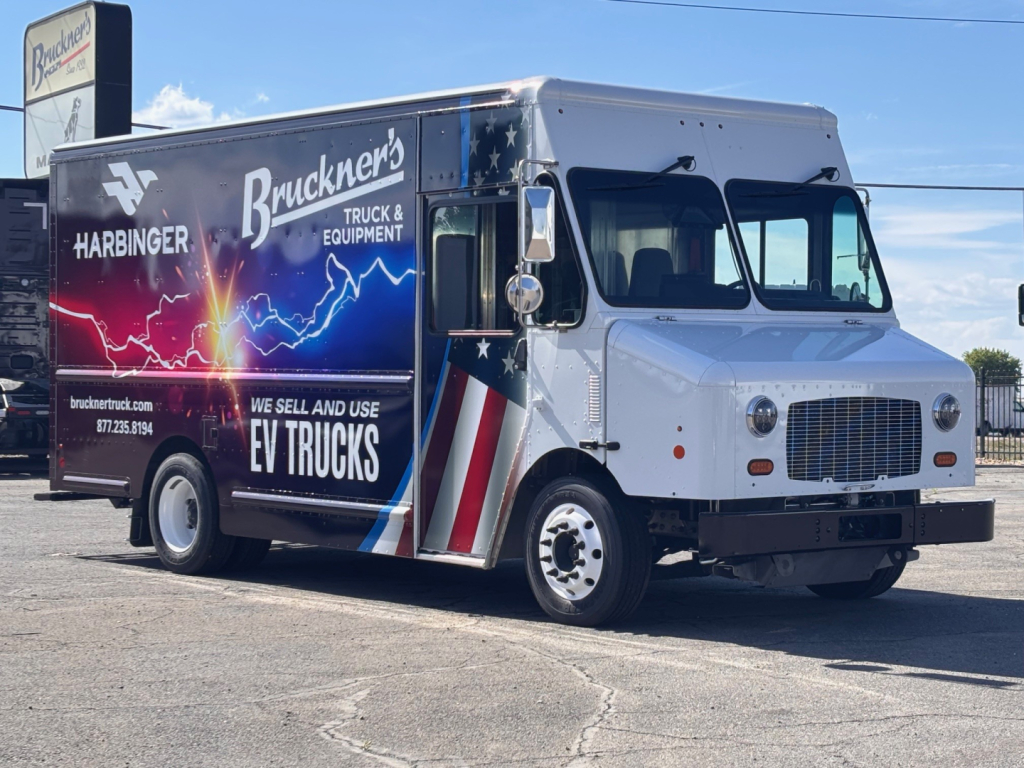
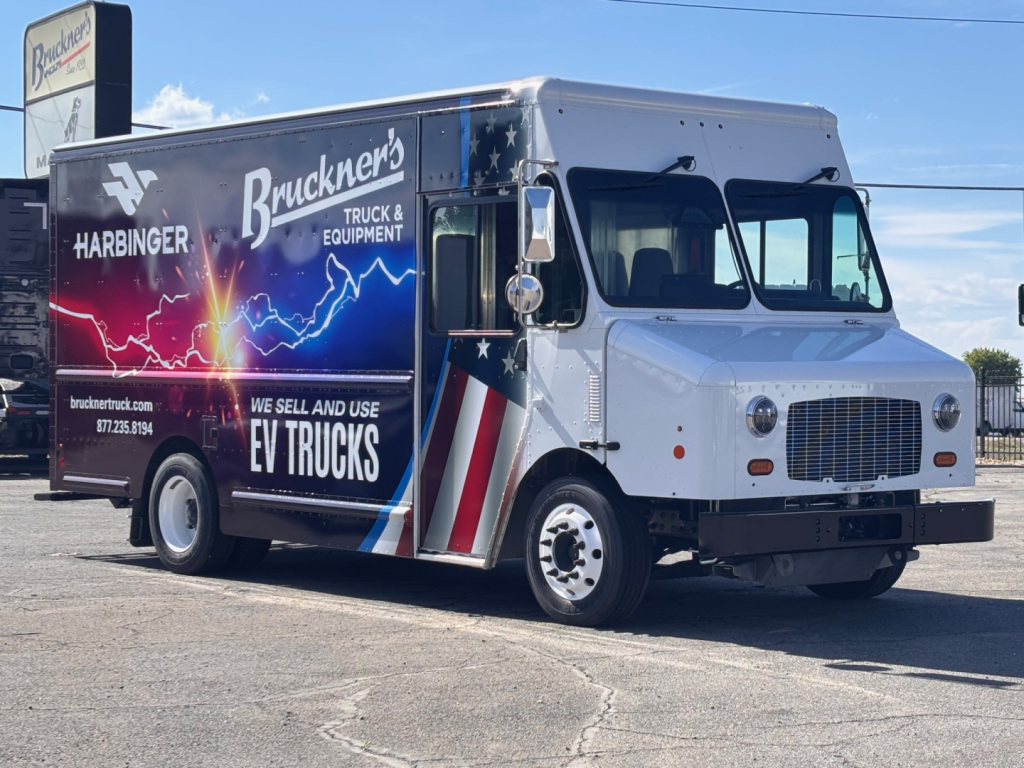
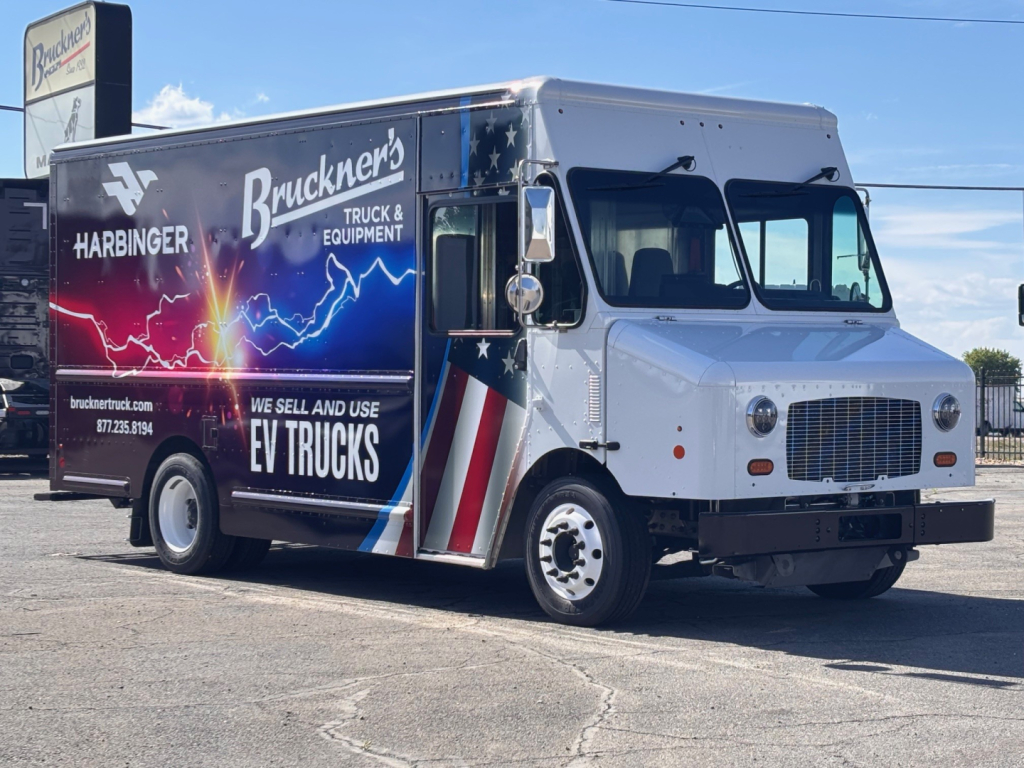
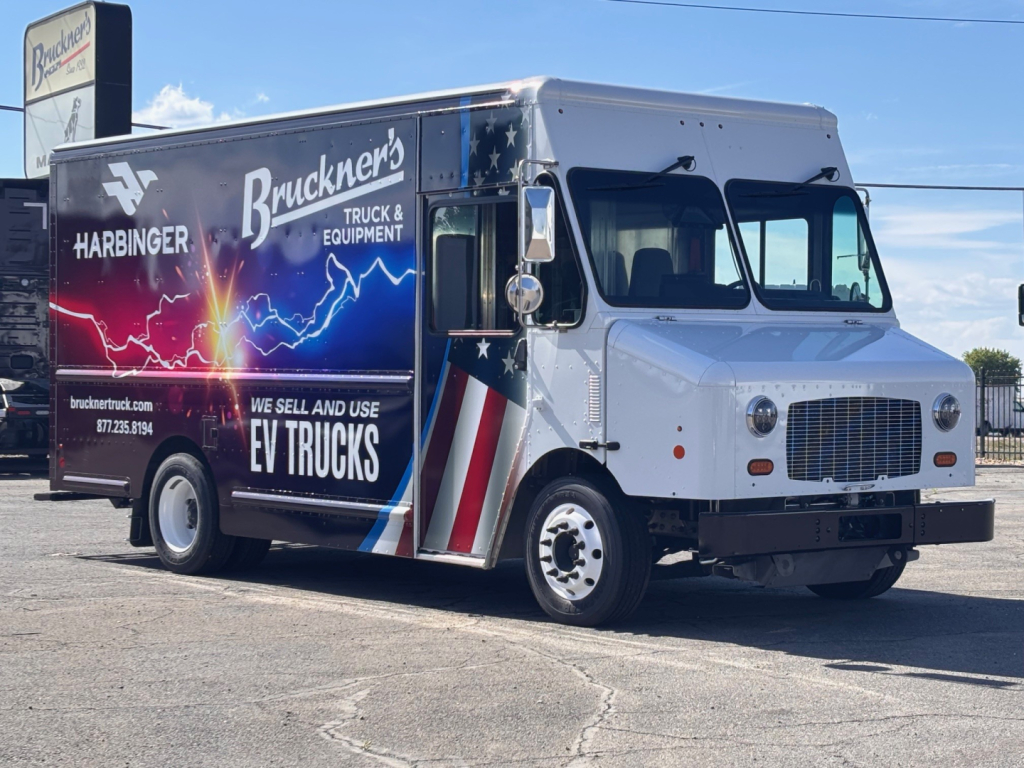
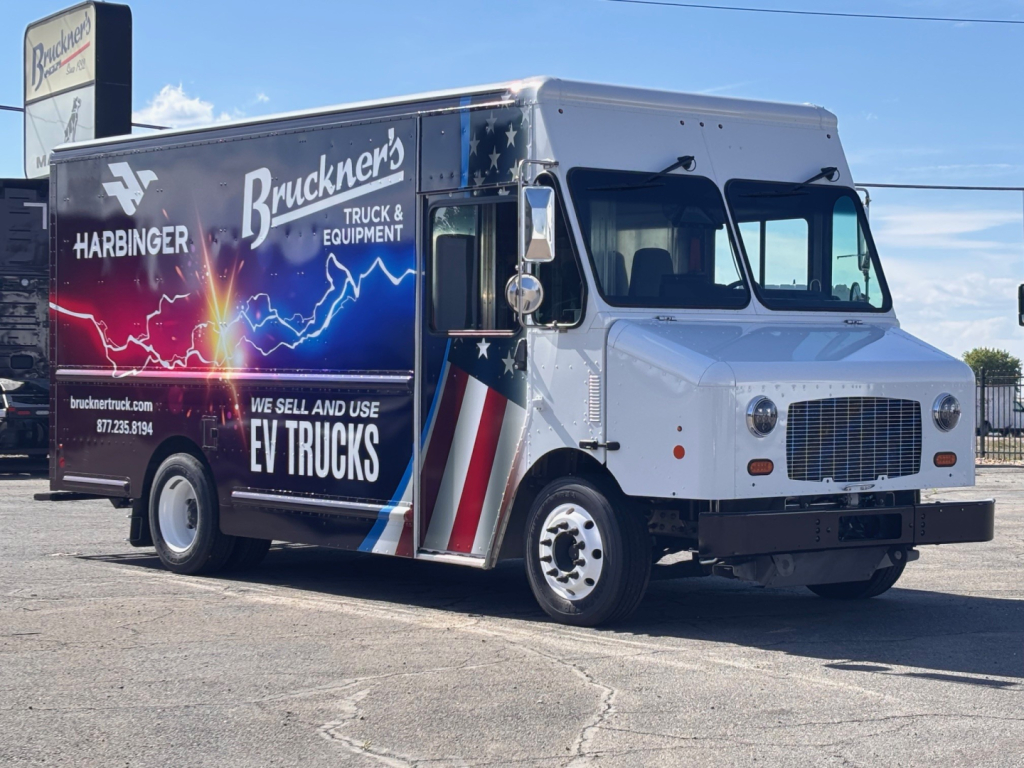
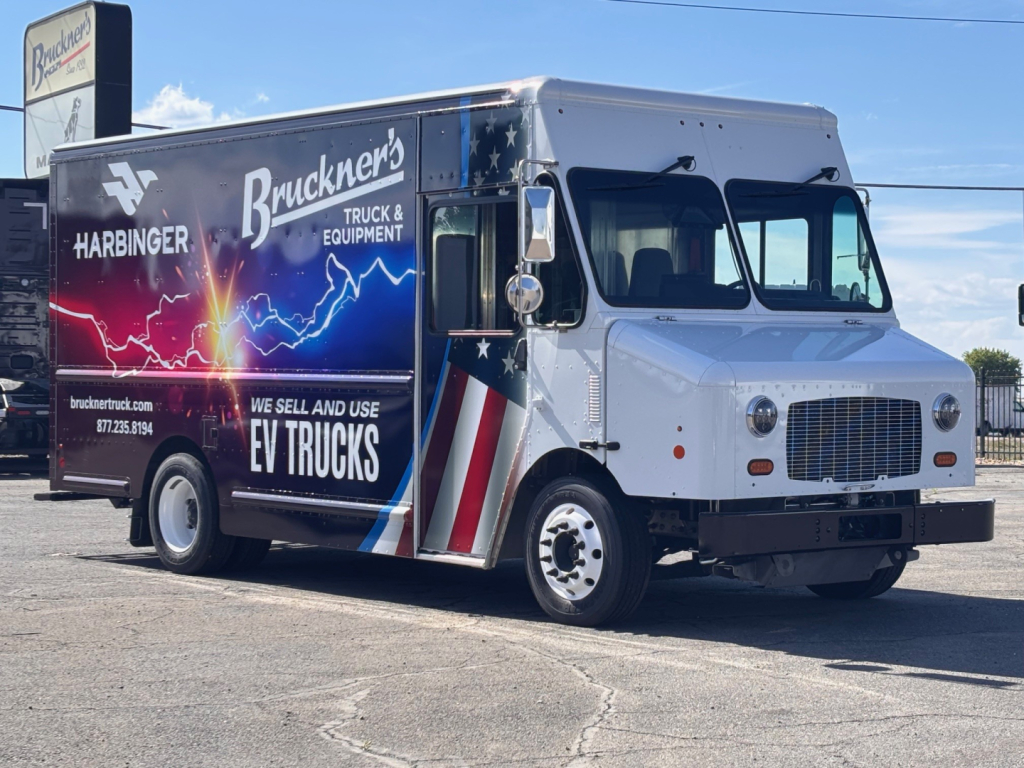
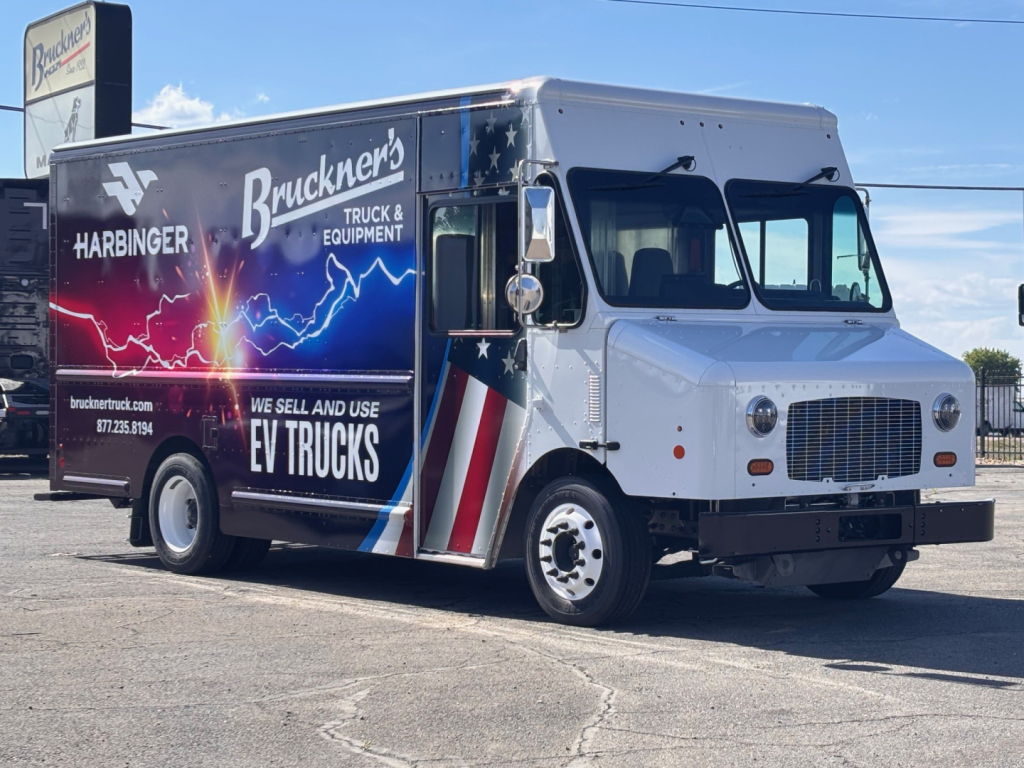
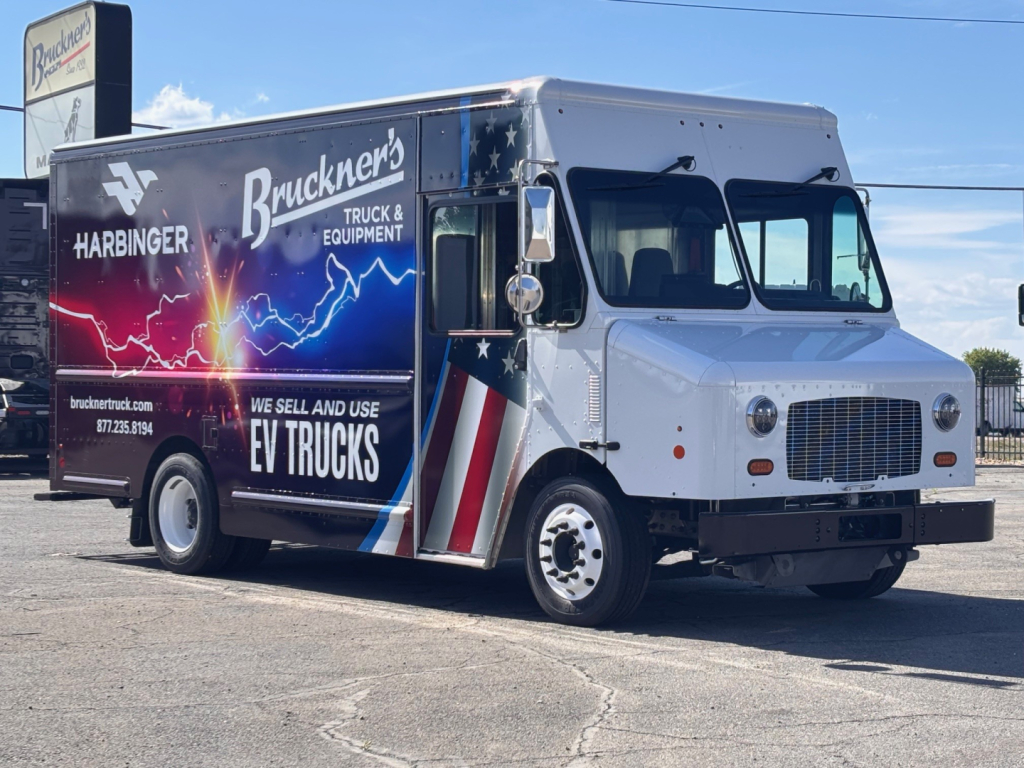
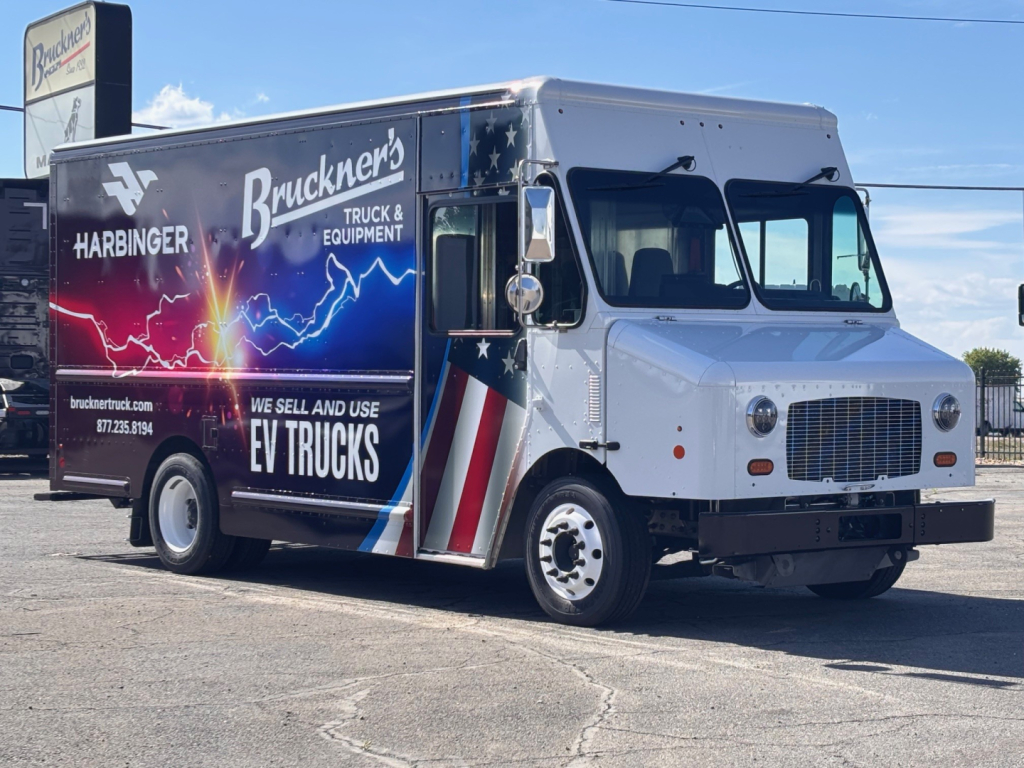
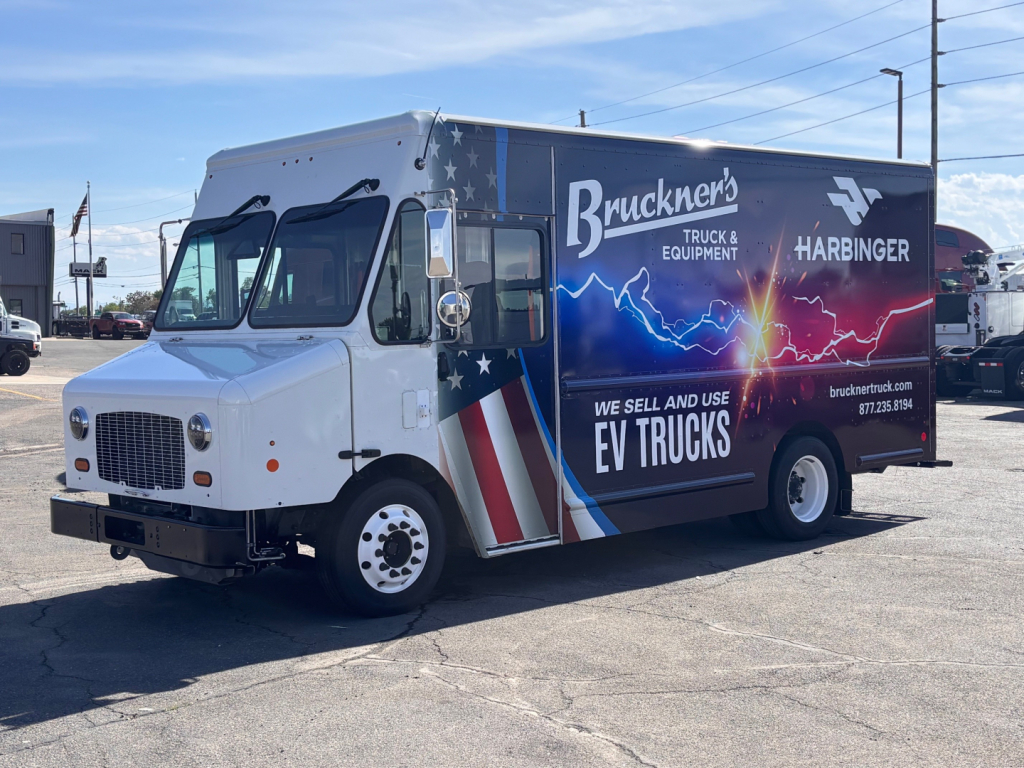
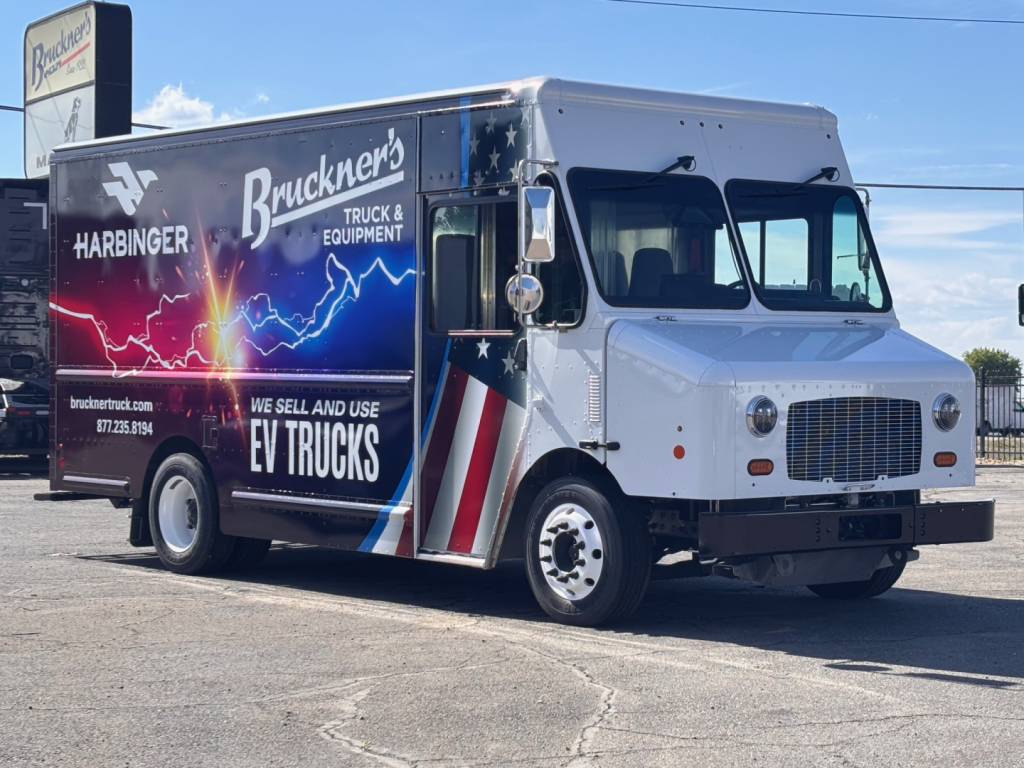
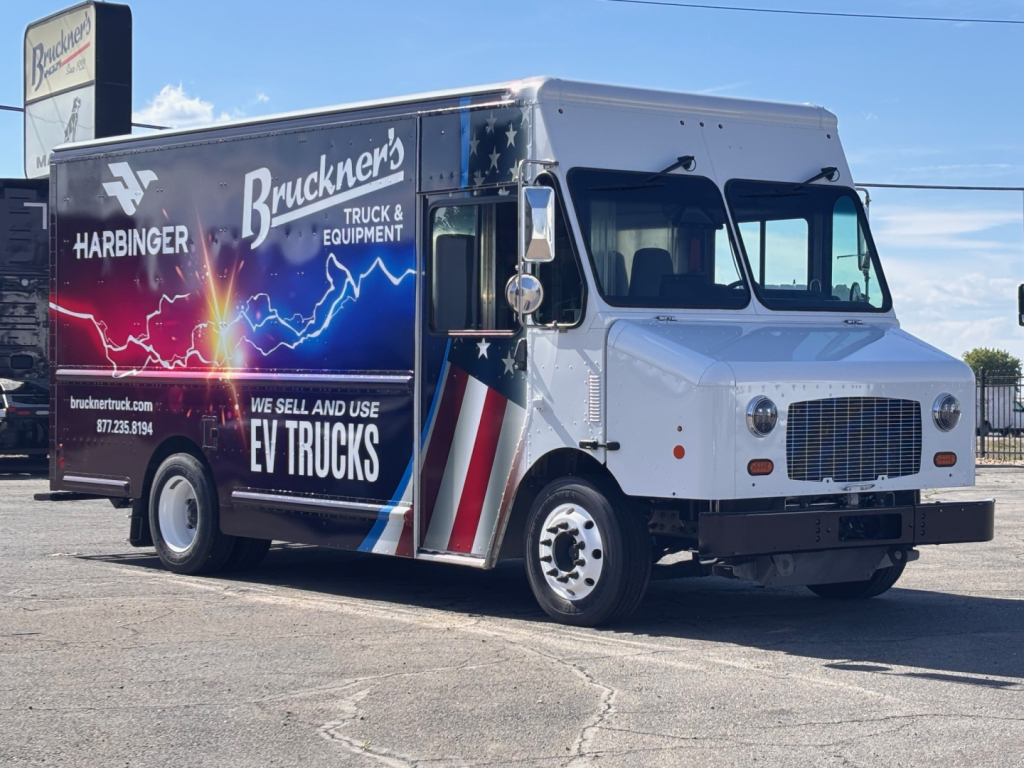
Showing 1 to 12 of 42 results
Have step van truck to sell? List it here to reach thousands of buyers.
About Step Van Trucks in New York
A buyer should start with chassis rating and body layout. Most step vans are configured in Class 3 through Class 6 ranges, with GVWR, wheelbase, and body length determining payload and maneuverability. Shorter units are easier to place in borough traffic and older commercial districts, while longer bodies give more shelf space and package cube for route density. Gas and diesel powertrains are both common depending on age and application. Fleet buyers often focus on door configuration, interior shelving, roof height, rear roll-up versus swing doors, and whether the cargo area has bulkhead access, grab handles, non-slip flooring, and route-friendly lighting. If the truck will be used for service work rather than parcel delivery, look closely at cabinet layout, inverter setup, PTO capability if equipped, and any prior upfit work.
Condition matters differently on a step van than on a highway tractor. These trucks spend their lives in frequent starts, hard braking, curb approaches, and idle time, so inspection should focus on transmission behavior, steering play, brake wear, suspension condition, frame corrosion, and body damage around entry points and rear structure. On older units, pay attention to door hardware, step wells, roof seams, and evidence of water intrusion in the cargo box. In New York, rust is a serious buying factor, especially on underbody components, brake lines, crossmembers, and door frames exposed to winter salt. Tire condition, turning radius, and visibility from the driver position also deserve attention because route efficiency depends on easy maneuvering as much as engine performance.
The best step van is the one matched to stop frequency, payload, and street environment. A parcel operator may want maximum cubic capacity and shelving access, while a contractor may place more value on secure compartments and electrical support for tools. Buyers comparing step van trucks for sale should weigh body volume, service access, drivetrain simplicity, and how easily the truck can be loaded, entered, and parked all day. A well-matched step van can reduce route time, improve driver productivity, and hold up well in repetitive commercial use when the chassis and body are spec'd for the job.
Frequently Asked Questions
What is a step van truck used for?
A step van truck is designed for multi-stop local delivery and service work. Its walk-in body, low step-in height, and easy cargo access make it efficient for parcel routes, bakery delivery, uniform and linen service, vending, tool service, and municipal operations. Compared with a standard cargo van, a step van usually offers more usable interior cube, better standing room, and faster entry and exit for drivers making frequent stops.
What should I inspect first on a used step van?
Start with the items most affected by stop-and-go duty: transmission shifting, brake condition, steering components, front suspension, idle quality, and evidence of excessive curb impact. After that, inspect the body for corrosion, especially around step wells, door openings, roof seams, rear frame sections, and underbody components. On New York units, rust and water intrusion can be as important as mileage because these trucks often work in harsh weather and dense traffic conditions.
Are diesel or gas step vans better?
The better choice depends on route type, payload, and maintenance priorities. Diesel step vans are often favored for heavier payloads and long service life in commercial use, while gas units can be simpler and sometimes less expensive to maintain for lighter local work. Buyers should compare operating hours, service records, cold-weather starting behavior, and local technician support rather than choosing by fuel type alone.
What size step van should I buy?
Body size should match your route density, loading method, and parking environment. Shorter step vans are easier to maneuver in tight city streets and older commercial districts, while longer bodies provide more cargo cube, shelving room, and product separation. GVWR, wheelbase, axle capacity, and interior height all matter because a truck that has enough space but not enough legal payload is a poor fit for commercial work.
How is a step van different from a cargo van or box truck?
A step van is built around fast driver movement and organized route delivery. It typically has a walk-through cab-to-cargo layout, upright cargo space, and a low floor that allows repeated entry and exit with less effort. A cargo van is usually smaller and less efficient for heavy multi-stop routes, while a box truck may offer more cube or payload but is generally slower to work from when the driver needs constant access to the cargo area.