
Trucks For Sale Near Speculator, New York
Browse trucks for sale, including pickups, service trucks, and medium-duty work trucks with specs, GVWR, cab, bed, and drivetrain details.
Learn more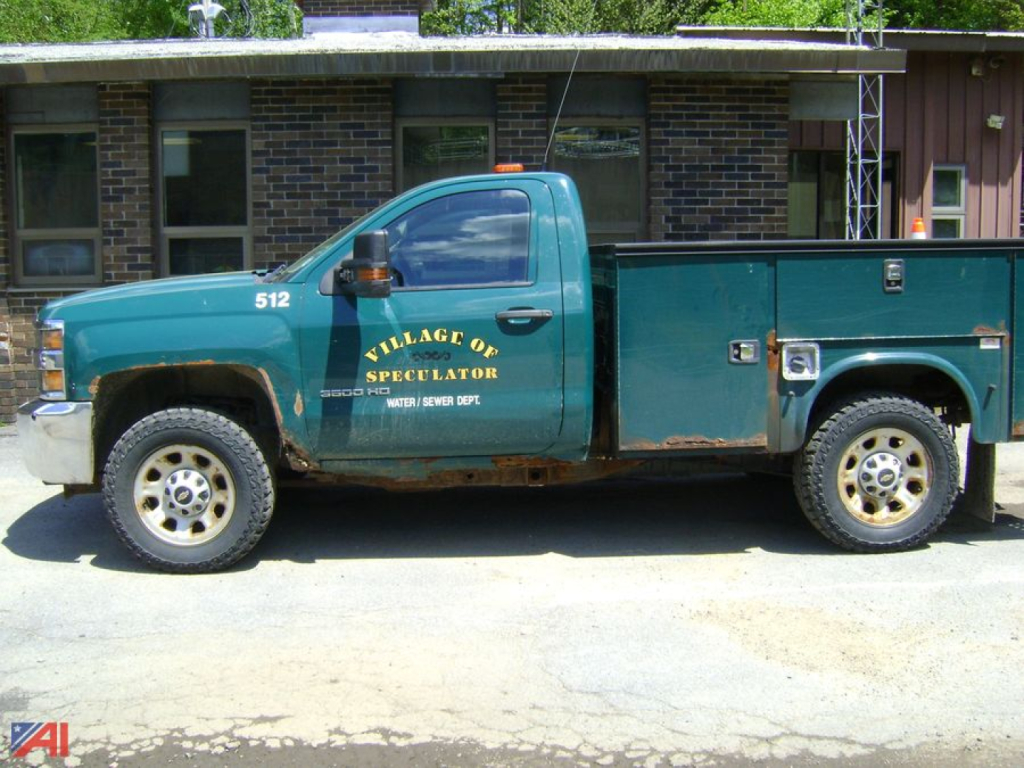
Have truck to sell? List it here to reach thousands of buyers.
About Trucks Near Speculator, New York
Body and equipment choices drive real-world usefulness. A pickup may fit lighter-duty hauling, crew transport, or personal-commercial use, while a utility or service body adds enclosed compartments for tools, parts, and field repair work. In New York, many work trucks are set up for plows, spreaders, ladder racks, hitches, or PTO-driven accessories, so it is worth checking front axle capacity, charging system output, and frame condition if the truck has done winter duty. Cab-to-axle measurement, bed length, receiver rating, and trailer brake provisions are key details when the truck will tow equipment, haul materials, or support a specialized body.
Powertrain selection depends on route profile and operating cost. Gas engines can be a practical fit for lower annual mileage, shorter trips, and simpler maintenance, while diesel trucks are often favored for sustained towing, heavier payloads, and torque under load. Automatic transmissions dominate this market, but buyers should still verify gear ratio, transfer case operation on 4x4 models, and any signs of hard commercial use. On used trucks, common checkpoints include rust at cab corners and rocker panels, frame scaling, suspension wear, brake line condition, PTO functionality, and service records for injectors, emissions components, cooling systems, and front-end parts.
The best truck is the one matched closely to the work cycle. A light-duty pickup may be ideal for property maintenance or local contracting, while a utility truck supports electricians, plumbers, telecom crews, and public works departments that need secure storage and daily access to tools. Medium-duty trucks step in when body capacity, hoist equipment, or heavier trailer weights exceed what a pickup-based platform handles efficiently. Buyers comparing trucks for sale should focus on the combination of chassis capacity, body layout, seasonal equipment compatibility, and long-term repair exposure rather than make or model alone.
Frequently Asked Questions
What should I check first when comparing trucks for sale?
Start with GVWR, payload, towing requirement, and the actual job the truck needs to perform. Those four factors narrow the field faster than brand preference. After that, confirm cab style, bed or body type, wheelbase, axle rating, drivetrain, and engine choice. A truck can look right on paper but still be a poor fit if the front axle is overloaded by a plow, the wheelbase will not accept the planned body, or the trailer rating does not match the equipment being moved.
Is a gas or diesel truck better for commercial use?
It depends on load, mileage, and duty cycle. Gas trucks usually make sense for lighter-duty work, shorter routes, lower annual miles, and buyers who want lower upfront cost and simpler service. Diesel trucks are typically the better choice for frequent towing, sustained highway operation, heavier payloads, and applications where low-end torque matters. The right answer is less about fuel type alone and more about total operating cost, including maintenance, idle time, emissions system service, and expected engine life under load.
Why does rust matter so much on used trucks in New York?
Rust affects structural integrity, repair cost, and future upfit options. In regions with road salt and winter plow use, corrosion often shows up on frames, brake and fuel lines, cab mounts, rocker panels, bed supports, utility body floors, and attachment points for plows or spreaders. Surface rust is common, but scaling, perforation, and weakened crossmembers can turn a workable truck into an expensive rebuild. A careful inspection underneath the truck is just as important as checking engine and transmission condition.
What is the advantage of a utility or service truck over a standard pickup?
A utility or service truck provides organized, lockable storage and better access to tools, fittings, and parts throughout the workday. That matters for service technicians, contractors, municipalities, and road crews that need to work out of the truck instead of just hauling material in an open bed. Service bodies also support racks, compressors, generators, cranes, and other vocational equipment more effectively than most standard pickup beds. The tradeoff is added weight, which reduces available payload if the chassis is undersized.
Are 4x4 trucks worth the extra cost in northern climates?
For buyers operating on snow, ice, gravel, muddy job sites, or unpaved access roads, 4x4 can be a practical requirement rather than a luxury. It improves traction during winter storms and helps when a truck carries a plow, works in remote areas, or needs to maintain uptime in poor conditions. The extra cost comes with additional maintenance points such as the transfer case, front differential, and related driveline components, so the value depends on how often those conditions are part of the truck's actual work cycle.