
Trucks For Sale Near South Burlington, Vermont
Browse trucks for sale in South Burlington, Vermont, including pickups and work trucks suited for plowing, hauling, service, and year-round fleet use.
Learn more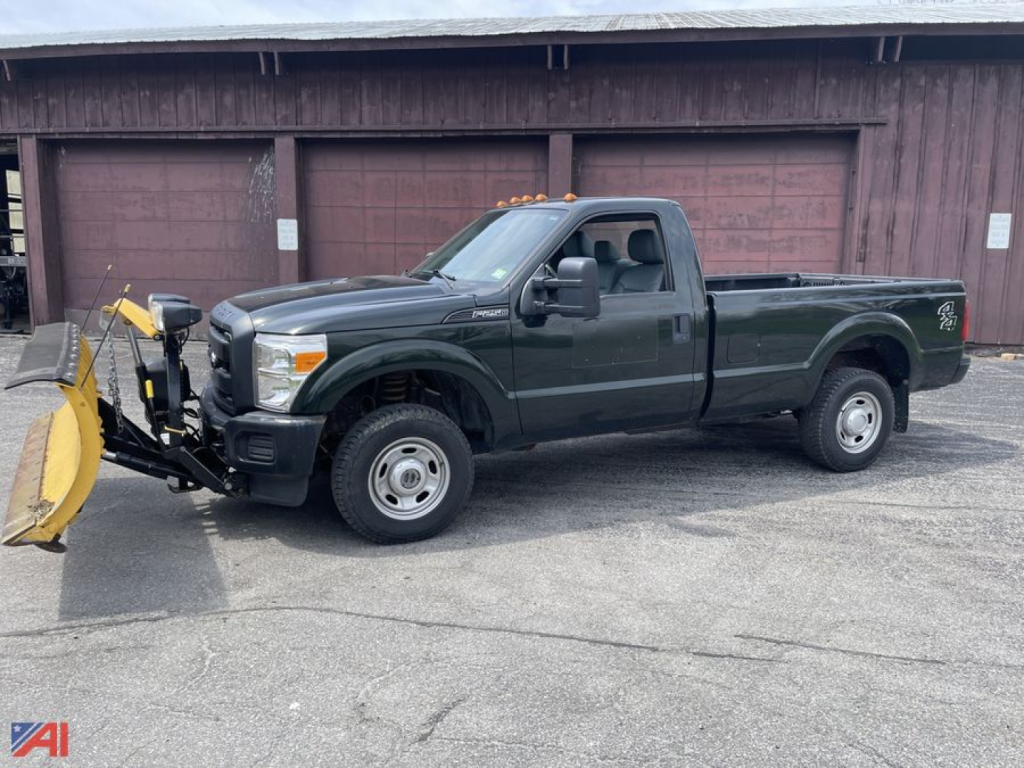
Have truck to sell? List it here to reach thousands of buyers.
About Trucks Near South Burlington, Vermont
For buyers comparing used trucks, the important split is light-duty versus medium-duty. Light-duty pickups like 1/2-ton, 3/4-ton, and 1-ton models are popular when maneuverability, lower operating cost, and easier parking matter. Medium-duty trucks step in when the job calls for more payload, upfit flexibility, or a heavier rear axle and frame. Gas engines are common in local and municipal applications because of simpler maintenance and lower upfront cost, while diesel trucks remain the better fit for frequent towing, higher torque demand, and longer service cycles. Transmission type, axle ratio, wheelbase, bed length, and two-wheel drive versus four-wheel drive can all change how useful a truck is in daily operation.
Condition and configuration matter as much as brand. Buyers should check frame and cab corrosion, especially in northern climates where road salt is a factor. On plow-equipped trucks, front axle rating, suspension wear, cooling system health, transfer case operation, and charging capacity deserve extra attention. If the truck will carry a spreader, service body, dump insert, ladder rack, or trailer package, confirm the truck's payload sticker, hitch rating, brake controller setup, and available PTO or auxiliary electrical provisions if needed. Cab style also affects value and usability, with regular cab units often favored for fleet work and crew cabs preferred when multiple workers or tools need to travel together.
This truck category can include everything from basic jobsite pickups to specialized vocational units, so the best choice comes down to duty cycle, terrain, and upfit requirements. In Vermont, buyers often prioritize trucks that can handle winter traction demands, short-route stop-and-go operation, and year-round utility work. A well-matched truck should have enough axle, brake, and suspension capacity for the actual job, not just enough engine power to move it. That approach usually leads to lower downtime, better tire life, and a truck that fits the operation instead of being overbought or under-spec'd.
Frequently Asked Questions
What types of trucks are commonly included in a trucks for sale category?
This category usually includes pickup trucks, chassis cab trucks, service trucks, flatbed trucks, dump trucks, and other vocational or work-oriented units. Some are configured for personal or mixed use, while others are built specifically for towing, municipal work, snow removal, contractor service, or delivery duty. The exact mix depends on the local market, but buyers should expect a wide range of GVWR classes, drivetrain layouts, cab styles, and body configurations.
Is four-wheel drive important for trucks in Vermont?
For many buyers in Vermont, four-wheel drive is a practical advantage rather than a luxury. It improves traction in snow, mud, unpaved lots, and steep driveways, and it is especially valuable for plow work, utility service, and winter jobsite access. That said, a two-wheel drive truck may still be a sound choice for paved-route, lighter-duty, or budget-focused operations if the axle ratings and tires match the work.
What should I inspect first on a used work truck?
Start with rust, frame condition, cab corners, rocker panels, brake lines, and suspension components, especially in northern states. Then review engine hours if available, transmission behavior, transfer case function on 4x4 units, steering play, tire wear patterns, and any warning lights or fault codes. On upfitted trucks, inspect the body mounting points, electrical connections, hydraulics, hitch equipment, and any signs that the truck has been operated consistently above its rated capacity.
How do I choose between a gas truck and a diesel truck?
Gas trucks generally cost less to buy and can be simpler to maintain in lighter-duty or shorter-route service. Diesel trucks usually make more low-end torque and tend to be the stronger choice for repeated heavy towing, higher mileage use, and sustained load demands. The right decision depends on duty cycle, annual miles, trailer weight, idle time, and how long the truck is expected to stay in service.
Why do axle ratings and GVWR matter more than horsepower alone?
Horsepower affects performance, but axle ratings and GVWR determine what the truck can legally and safely carry. A truck with strong power but limited front or rear axle capacity may not be suitable for a plow, service body, or full payload. Buyers who focus on weight ratings, suspension capacity, brakes, wheelbase, and tire load range usually end up with a truck that performs better in real work and holds up longer in fleet use.