
Trucks For Sale Near Sewell, New Jersey
Browse trucks for sale in Sewell, New Jersey, including vocational and commercial trucks with specs for hauling, towing, roll-off, and chassis work.
Learn more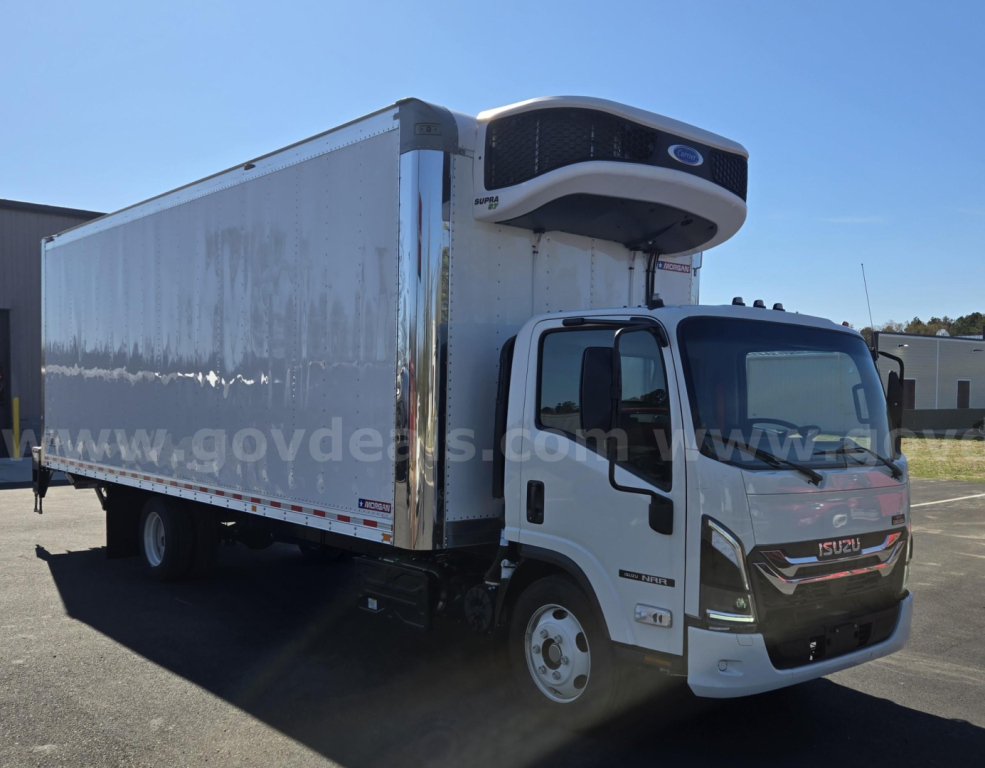
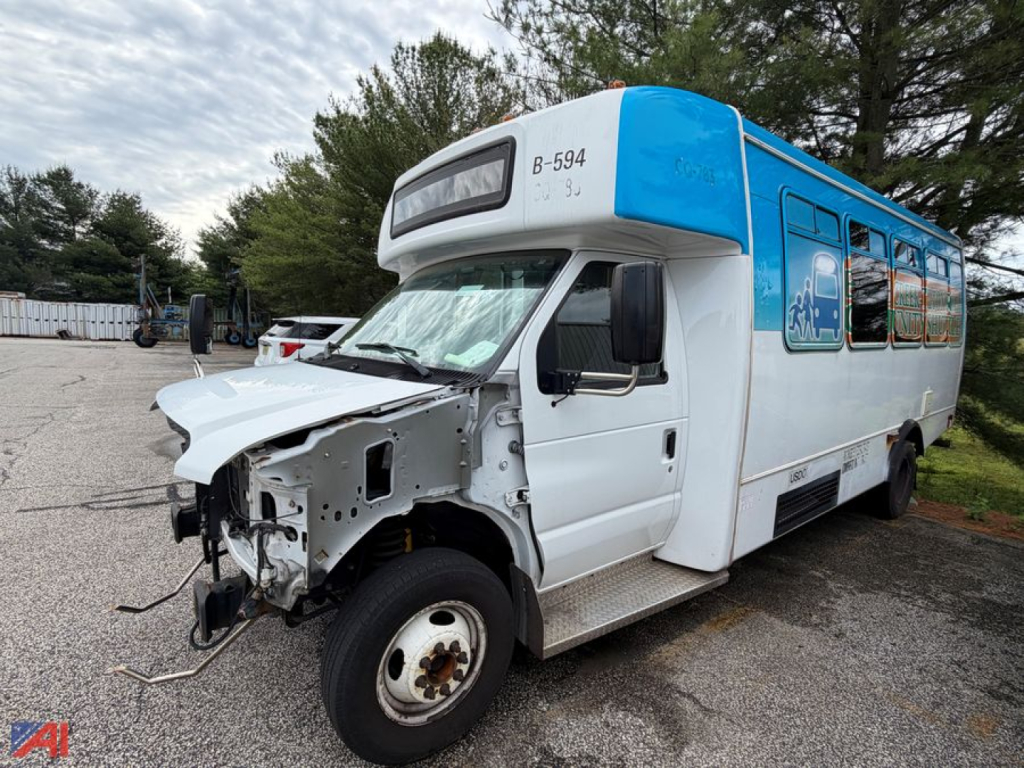

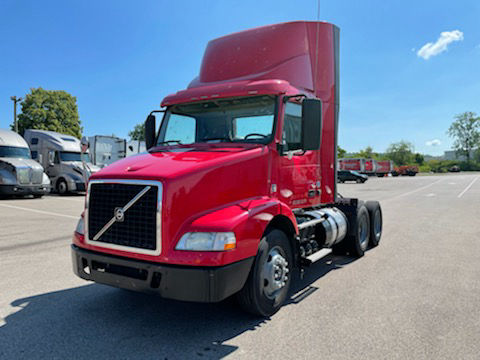
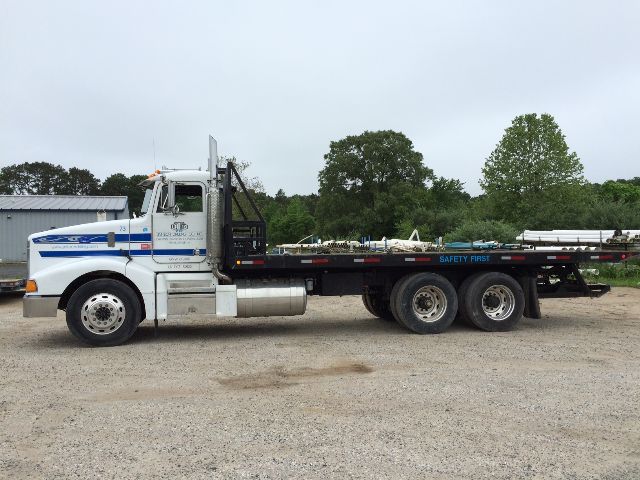
Have truck to sell? List it here to reach thousands of buyers.
About Trucks Near Sewell, New Jersey
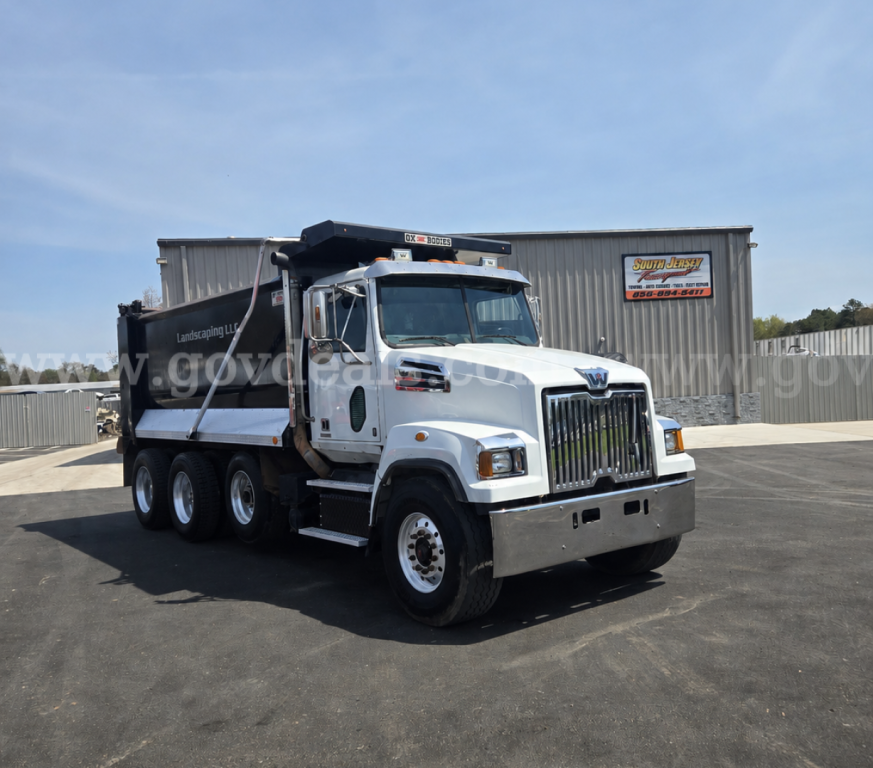
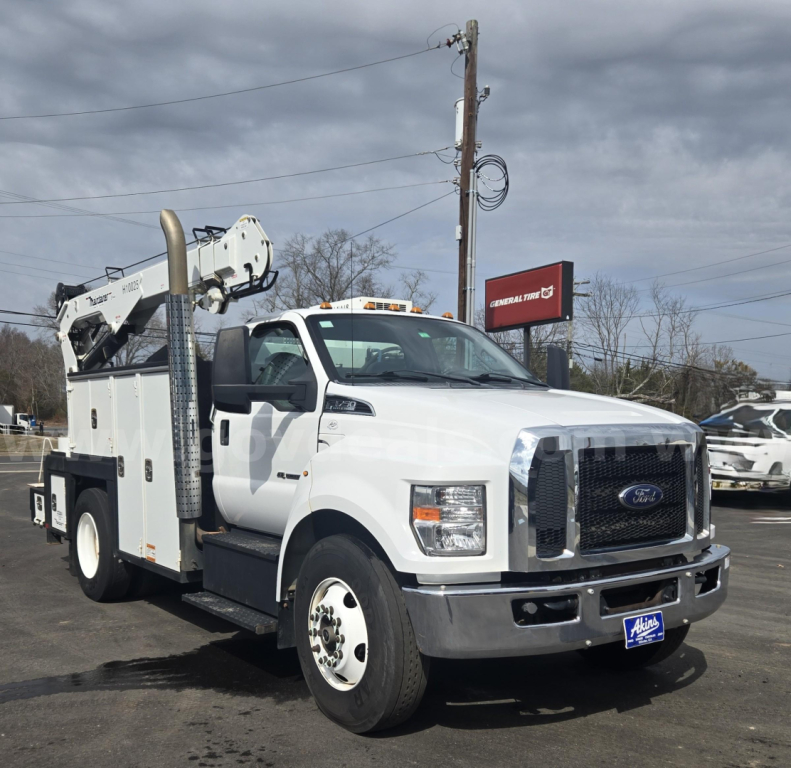
For general truck buyers, chassis and powertrain matter more than paint or trim. Common considerations include diesel versus natural gas, automatic versus manual transmissions, wheelbase, suspension type, front axle capacity, and rear axle ratio. Buyers looking at vocational trucks like Kenworth T880 models or similar heavy-duty platforms usually focus on durability, frame strength, set-back or set-forward axle layout, and how well the truck can support body equipment such as hoists, winches, wet kits, or counterweighted traffic safety systems. On used trucks, it is also smart to confirm PTO engagement, hydraulic operation, warning light status, brake condition, and whether the truck is road-ready or best transported before entering service.
Body-specific equipment can drive the value of a truck more than the cab itself. A rollback truck may include a winch, stabilizers, tool storage, and a pintle hitch. A roll-off truck should be evaluated for hoist condition, tarp system, cable or hooklift configuration, and rail wear. Cab and chassis trucks are often purchased because they leave room for a new body installation, making frame length, back-of-cab clearance, and electrical provisions especially important. Specialty trucks such as attenuator or traffic management units need close inspection of crash systems, lighting packages, arrow boards, ballast or counterweight setup, and any title or reconstruction history that could affect registration or resale.
For buyers in South Jersey, operating environment matters. Local and regional work around congested roads, transfer stations, industrial sites, and municipal routes often favors shorter wheelbases, good visibility, and automatic transmissions for stop-and-go duty. Heavier highway or container work may justify a larger displacement engine, manual transmission, and more aggressive axle spec. A good truck in this category is not just about make and model. It is about matching the truck's frame, drivetrain, body equipment, and service history to the revenue-producing work you expect it to handle.
Frequently Asked Questions
What should I look at first when comparing different types of trucks for sale?
Start with the truck’s intended application, because body type and chassis spec determine whether it can do the work efficiently. A cab and chassis truck is suited for body installation, a rollback is built for towing and recovery, a roll-off is designed for container handling, and an attenuator truck is a specialty roadside safety unit. After confirming the application, check axle ratings, engine and transmission combination, PTO or hydraulic equipment, wheelbase, and any body-specific components that directly affect uptime.
Is a cab and chassis truck a good choice if I plan to add my own body?
Yes, a cab and chassis truck is often the best starting point when you need to install a dump body, service body, flatbed, rollback, or other vocational equipment. The key measurements are usable frame length, axle placement, back-of-cab clearance, and any existing PTO, electrical, or hydraulic provisions. Buyers should also verify frame condition, suspension capacity, and whether the truck’s wheelbase matches the body length and load distribution required for the finished build.
What are the main inspection points on a used roll-off truck?
On a used roll-off truck, inspect the hoist, rails, hinge points, cylinders, hydraulic lines, and PTO operation before placing value on the truck. Check for frame cracks, uneven rail wear, body alignment issues, and signs that the hoist has been overloaded. It is also important to confirm whether the system is cable or hooklift, because that affects container compatibility, operator preference, and replacement part availability.
Should I choose an automatic or manual transmission in a vocational truck?
The right transmission depends on route conditions, driver pool, and duty cycle. Automatic transmissions are popular for stop-and-go work, urban routes, and fleets that want easier driver training and less clutch wear. Manual transmissions still appeal in heavier vocational applications where operators want direct control, especially with certain off-road, roll-off, or severe-duty setups. The better choice is the one that matches terrain, load profile, and maintenance capability.
Are specialty trucks like attenuator units or rebuilt vocational trucks harder to evaluate?
Yes, specialty trucks require closer review because value depends on both the chassis and the installed equipment. An attenuator truck should be checked for crash system condition, lighting and arrow board operation, ballast or counterweight setup, and compliance with the intended work zone use. If the truck has a salvage or reconstructed history, buyers should confirm title status, repair quality, and any limitations on registration, insurance, or future resale before putting it into service.