
Mitsubishi Service/Utility Trucks For Sale in New York
Browse Mitsubishi service and utility trucks with diesel power, compact cab-over design, and body configurations built for field service work.
Learn more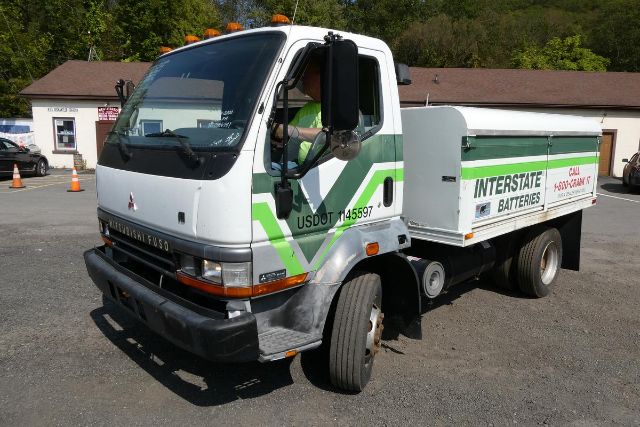
Have mitsubishi service/utility truck to sell? List it here to reach thousands of buyers.
About Mitsubishi Service/Utility Trucks in New York
A key buying point on older Mitsubishi utility trucks is the relationship between GVWR, axle ratings, and body size. Many units fall in the medium-duty range with single rear axles, spring suspension, hydraulic brakes, and automatic transmissions, making them practical for stop-and-go service work. Engines such as the Mitsubishi 6D34 diesel are known for simple mechanical durability and good low-speed drivability rather than high horsepower. Pay close attention to cab-to-axle measurement, wheelbase, and rear axle rating because those numbers determine what service body will fit correctly and how well the truck will handle a full load of tools, parts, fluids, and technicians.
The utility body matters as much as the chassis. Common features include multiple side compartments, roll-up or slam-latch doors, ladder racks, compressor mounts, inverters, and aluminum or steel floors. A narrower cab-over front end can make these trucks easier to position at curbsides and alleys, but compartment access, interior body height, and door opening dimensions still need to match the way your crew works. If the truck is being used in cold-weather service or mixed municipal duty, check corrosion around compartment seams, body mounts, brake lines, spring hangers, and cab corners, especially on older Northeast trucks.
For buyers comparing Mitsubishi service trucks against domestic utility chassis, the main advantages are maneuverability, efficient packaging, and straightforward vocational use. The tradeoff is that parts support and model familiarity can vary by age and region, so condition and service history carry extra weight. Look closely at frame condition, PTO or hydraulic equipment operation if equipped, tire size availability, and the fit between body weight and payload needs. A clean Mitsubishi service truck can be a cost-effective choice for fleets that want a compact, purpose-built work truck instead of a pickup-based service body or a larger conventional medium-duty unit.
Frequently Asked Questions
What are Mitsubishi service and utility trucks commonly used for?
Mitsubishi service and utility trucks are commonly used for contractor service fleets, municipal maintenance, HVAC, plumbing, electrical, telecom, and general repair work. Their cab-over design makes them especially useful where crews need exterior compartments, organized tool storage, and good maneuverability in city streets, parking lots, and industrial facilities.
What should I check first on a used Mitsubishi utility truck?
Start with GVWR, axle ratings, wheelbase, and cab-to-axle dimensions, then compare those numbers to the installed service body and your expected payload. After that, inspect frame rust, body mount condition, compartment integrity, brake system condition, suspension wear, and engine-transmission operation. On older units, Northeast corrosion and deferred maintenance can affect long-term value more than the odometer alone.
Are Mitsubishi cab-over service trucks good for city work?
Yes. A Mitsubishi cab-over service truck is well suited for city and suburban service routes because the short nose improves maneuverability and allows more usable body length on a compact chassis. That layout helps when backing into alleys, working curbside, or moving through congested commercial areas where a conventional hooded truck can feel oversized.
What engine and drivetrain features are common on older Mitsubishi service trucks?
Older Mitsubishi service trucks often use four-cylinder or six-cylinder diesel engines, automatic transmissions, single rear axles, and spring suspension. Many are set up as 4x2 medium-duty chassis with hydraulic brakes. These trucks are typically valued for dependable low-speed work performance and straightforward vocational operation rather than high output or heavy trailer towing.
How do I know if the utility body is the right fit for my operation?
Measure more than the overall body length. Look at compartment count, compartment depth, shelf space, door opening dimensions, roof and rack setup, and whether the body leaves enough center cargo space for larger equipment. The right body should support your daily tool load, technician access, and any mounted equipment such as compressors, generators, welders, or hose reels without pushing the chassis beyond its ratings.