
Used Ford Service/Utility Trucks For Sale in Pennsylvania
Shop used Ford service and utility trucks in Pennsylvania. Compare body styles, payload, storage, upfit features, and chassis options.
Learn more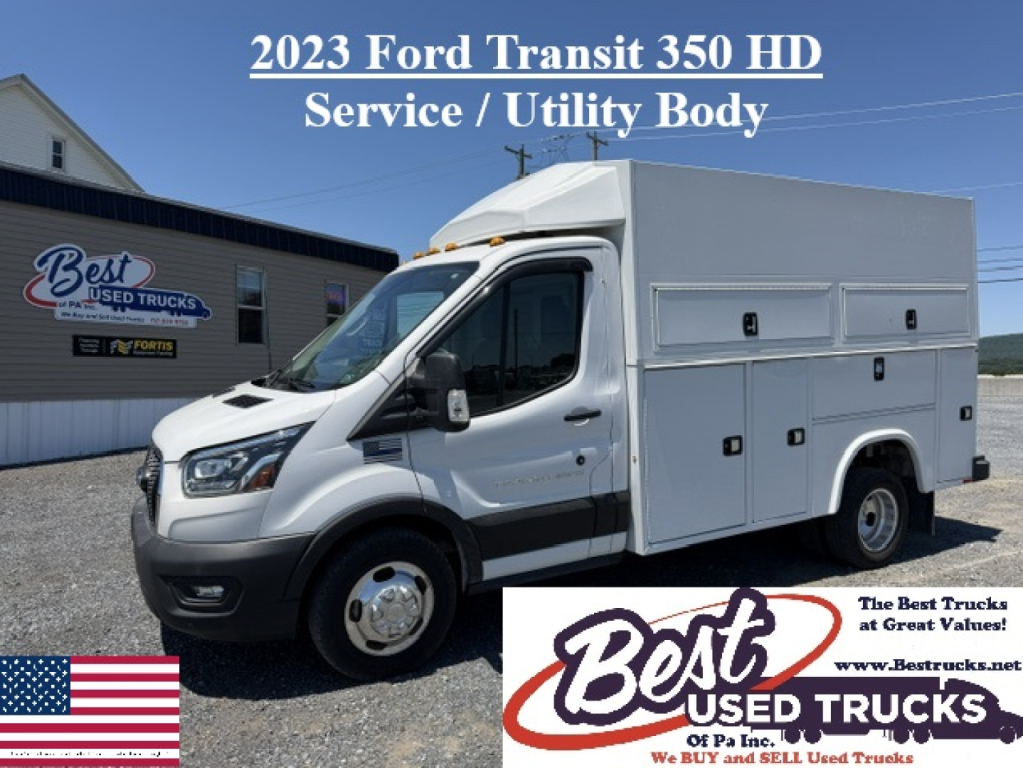
Have used ford service/utility truck to sell? List it here to reach thousands of buyers.
About Used Ford Service/Utility Trucks in Pennsylvania
The first decision is usually chassis style. A van-based platform like a Transit service body can work well for urban routes, parking garages, and tighter residential service calls where a lower roofline and shorter turning radius matter. A pickup-based or cab chassis Ford utility truck usually offers easier upfit flexibility, higher payload potential, and more room for compressors, reels, generators, and jobsite tools. Buyers should compare GVWR, rear axle ratings, wheelbase, body length, and compartment layout, not just engine and mileage. Utility bodies vary widely in shelf configuration, door style, pass-through access, ladder rack design, inverter setup, and lighting package.
Ford gas engines are common in this segment, including V6 and V8 configurations depending on model year and chassis, and they are often favored by service fleets that want simpler emissions systems than diesel. Transmission behavior, idle hours, PTO or auxiliary electrical demand, and maintenance history matter more on a service truck than they do on a basic pickup. Look closely at compartment floors, hinges, latch security, weather seals, and evidence of overloaded use. If the truck has an enclosed service body, check rear access, interior standing room, tie-down points, and how the shelving fits your trade. Good service trucks save labor every day through layout efficiency, not just payload on paper.
For Pennsylvania buyers, it also makes sense to confirm current inspection status, brake and tire condition, and whether any previous body repairs affected door alignment or compartment sealing. A clean upfit with LED work lights, backup camera, trailer provisions, auxiliary switches, and organized tool storage can reduce immediate reconditioning costs. The best used Ford service and utility truck is the one matched to your daily route, payload, technician workflow, and parking environment, with a body configuration that supports your trade instead of forcing another round of upfitting.
Frequently Asked Questions
What should I look for first when buying a used Ford service or utility truck?
Start with the body and chassis match. Confirm the truck has the right GVWR, axle ratings, wheelbase, and compartment configuration for your workload. Then inspect common service-truck wear points such as compartment doors, latch mechanisms, shelving mounts, roof condition, ladder racks, wiring for work lights or inverters, and signs of corrosion on the frame and body structure. Maintenance records, idle time, and evidence of overloading are often more important than mileage alone.
Are Ford Transit-based utility trucks a good choice for service work?
They can be an excellent choice for lighter-duty service applications, especially in dense urban areas or residential routes where maneuverability matters. A Transit-based utility body typically offers easier entry, lower loading height, and a tighter footprint than a traditional cab chassis truck. The tradeoff is lower payload and less room for heavier equipment compared with larger Ford service truck platforms. They are best suited for technicians carrying organized parts, hand tools, and lighter specialty equipment.
How important is rust inspection on a used service truck in Pennsylvania?
It is a major buying factor. Pennsylvania road salt can accelerate corrosion on frames, brake lines, suspension components, body mounts, compartment floors, and door hardware. Surface rust is common, but scaling, perforation, seized latches, or corrosion around mounting points can lead to expensive repairs and downtime. A careful underbody inspection helps determine whether the truck is a sound work asset or a reconditioning project.
Is a gas Ford service truck better than diesel for this type of work?
For many service fleets, gas engines are the better fit because they handle frequent stops, shorter trips, and extended idle periods without the added complexity of modern diesel emissions systems. Diesel can still make sense for heavier payloads, towing, or higher annual miles, but many utility truck buyers prefer gas for lower maintenance complexity and easier fleet standardization. The right choice depends on route length, load, idle time, and whether the truck powers auxiliary equipment.
What utility body features add the most value on a used truck?
The most valuable features are the ones that improve technician efficiency and reduce additional upfit cost. Buyers usually prioritize secure compartments, adjustable shelving, weather-tight seals, LED work lighting, ladder racks, backup cameras, trailer wiring, inverter or auxiliary power provisions, and cleanly installed switches in the cab. Body condition matters just as much as the feature list because damaged doors, leaking compartments, or poor wiring can erase the value of an otherwise well-equipped truck.