
Trucks For Sale Near Scranton, Pennsylvania
Browse trucks for sale in Scranton, PA including pickups, dump trucks, and work trucks suited for hauling, municipal, construction, and fleet use.
Learn more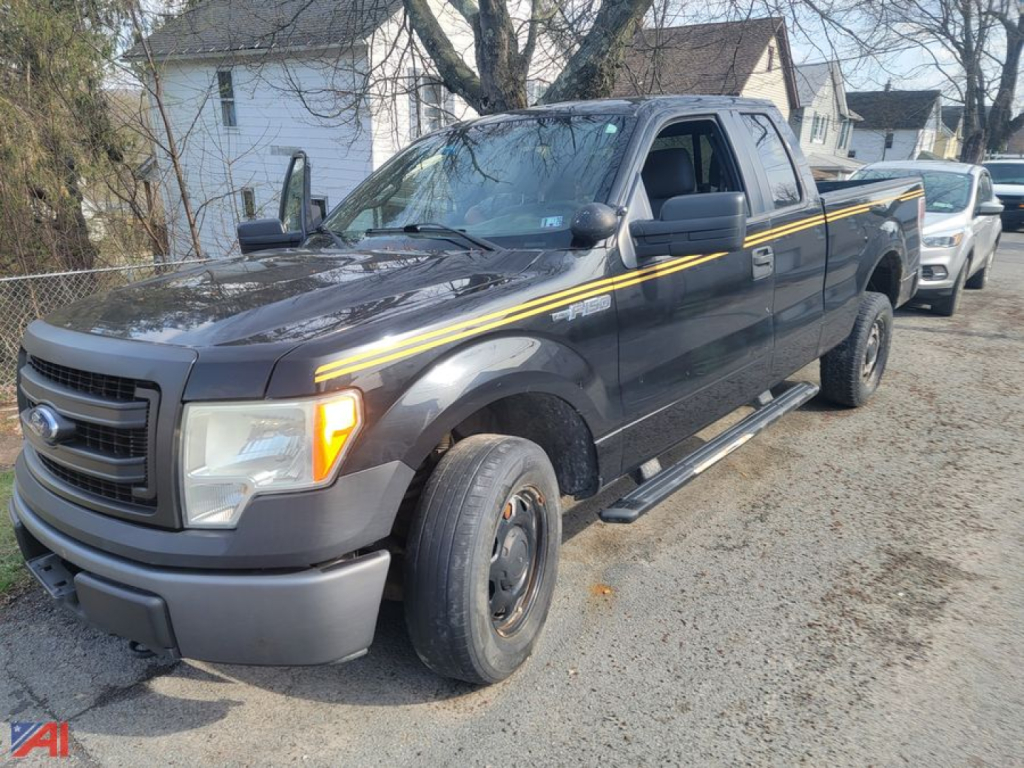
Have truck to sell? List it here to reach thousands of buyers.
About Trucks Near Scranton, Pennsylvania
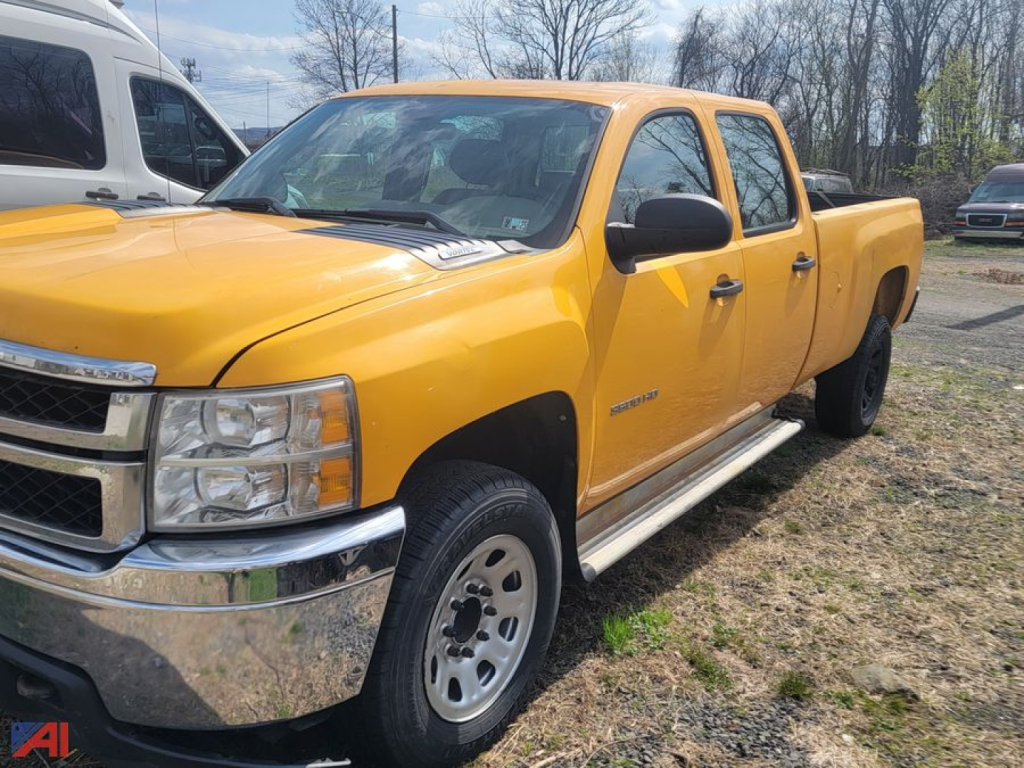
For pickup trucks, buyers typically compare cab configuration, bed length, gas versus diesel engines, and 2WD or 4WD layouts. A half-ton pickup like a Ford F-150 is often used for lighter fleet work, deliveries, and general transportation, while a one-ton model such as a Chevrolet Silverado 3500HD is built for higher payloads, trailer towing, and more demanding jobsite use. Key specs include conventional tow rating, rear axle capacity, transmission type, wheelbase, and whether the truck has a service body, pickup box, or gooseneck or fifth-wheel towing setup. If the truck will see regular trailer duty, pay close attention to brake controller integration, hitch equipment, tire load range, and suspension wear.
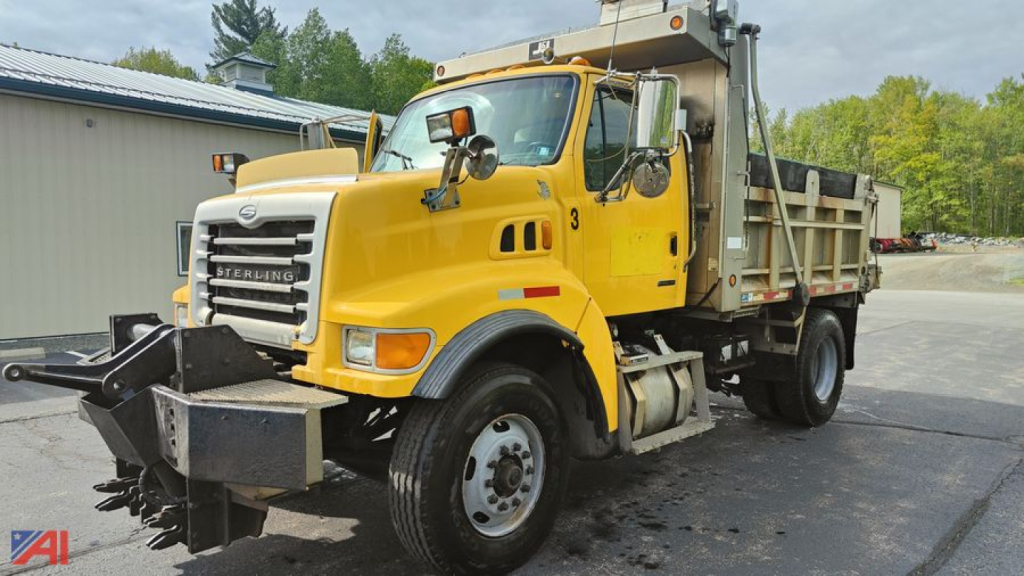
For medium-duty and vocational trucks, the buying process shifts toward body condition, PTO function, hydraulic system performance, and axle ratings. Dump trucks are commonly evaluated by hoist operation, box material, floor thickness, tailgate design, and whether the unit has a single-axle or tandem-axle configuration. Buyers in the Scranton market should also inspect spring hangers, crossmembers, cab mounts, and brake lines for rust related to road salt exposure. Engine hours, transmission history, steering play, and evidence of previous municipal or contractor service can tell you a lot about remaining life and likely reconditioning costs.
A strong truck purchase is usually the result of matching the chassis to the actual work cycle. Short local routes, seasonal plowing, landscaping, site material hauling, and fleet utility work all place different demands on cooling systems, tires, driveline components, and cab layout. Look closely at service records, idle time, tire date codes, and signs of overloading or uneven wear. The best value is not always the lowest upfront price. It is the truck with the right capacity, the right configuration, and a maintenance profile that fits your operation.
Frequently Asked Questions
What types of trucks are commonly found in the Scranton, PA market?
The Scranton market typically includes light-duty pickups, heavy-duty pickups, dump trucks, and other vocational work trucks used by contractors, municipalities, utilities, and local fleets. Pickup trucks are common for general transportation, towing, and service work, while dump trucks are more common in construction, landscaping, road maintenance, and snow operations. Local demand and seasonal use often influence condition, mileage, and body wear.
What should I inspect first on a used truck in Pennsylvania?
Start with the frame, underbody, brake lines, suspension mounts, and cab corners because corrosion is a major factor in Pennsylvania. Road salt can accelerate rust on crossmembers, spring hangers, dump bodies, and electrical connections. After that, check engine performance, transmission shifting, steering components, tire wear, and any PTO or hydraulic functions. A thorough undercarriage inspection often reveals more than the odometer.
How do I choose between a pickup truck and a dump truck?
The choice depends on payload type, loading method, and duty cycle. A pickup truck is better for mixed-use transportation, smaller tools and materials, and trailer towing. A dump truck is designed for loose material such as stone, dirt, mulch, and debris that needs to be unloaded quickly by hoist. If the work involves repeated loading and dumping on jobsites, a dump truck is usually the more productive and durable option.
Is 4WD important for trucks used around Scranton?
4WD can be a major advantage in Scranton because of snow, ice, steep grades, and mixed paved and unpaved jobsite conditions. It improves traction during winter operations and can reduce downtime for contractors, property maintenance crews, and municipal users. For highway-focused use with lighter loads, 2WD may still be adequate and can offer lower acquisition and maintenance costs. The right choice depends on route conditions and seasonal demands.