
Trucks For Sale Near Ravena, New York
Browse trucks for sale in Ravena, New York, including box, dump, flatbed, vacuum tank, and roll-off trucks for municipal and commercial work.
Learn more
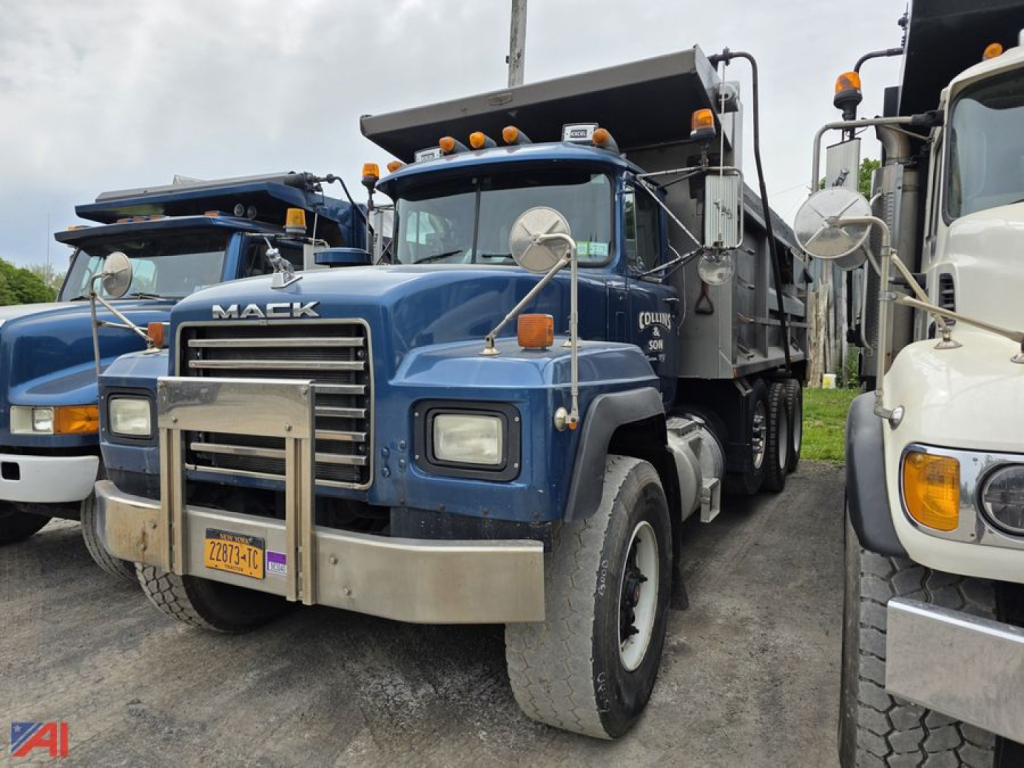
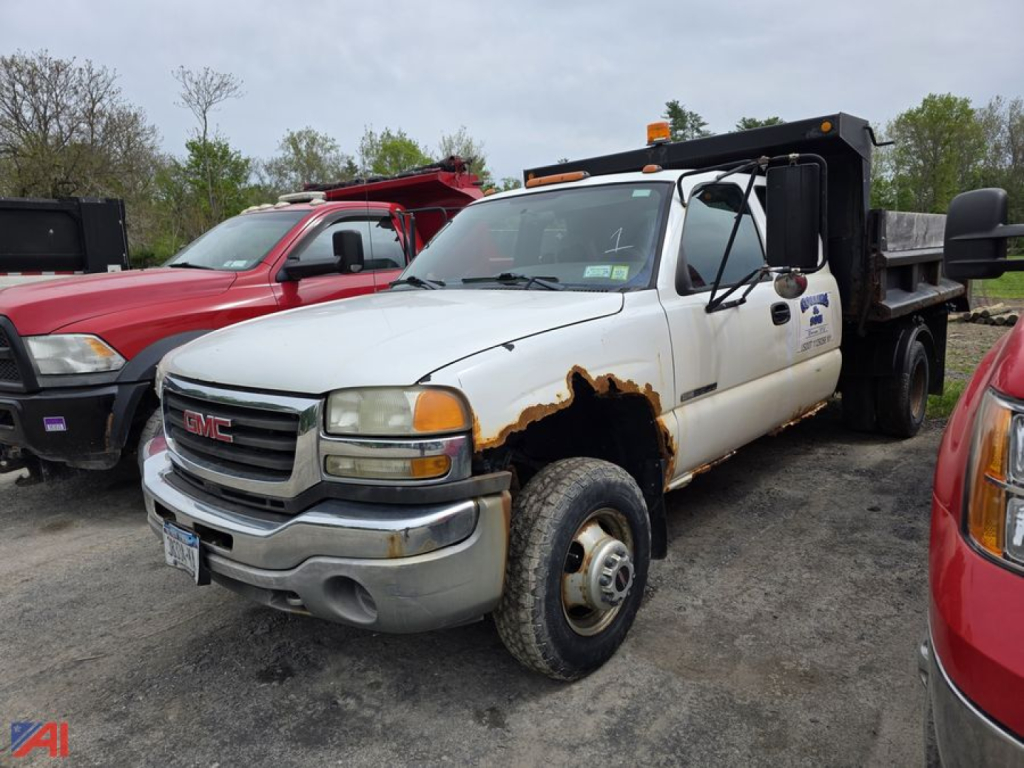
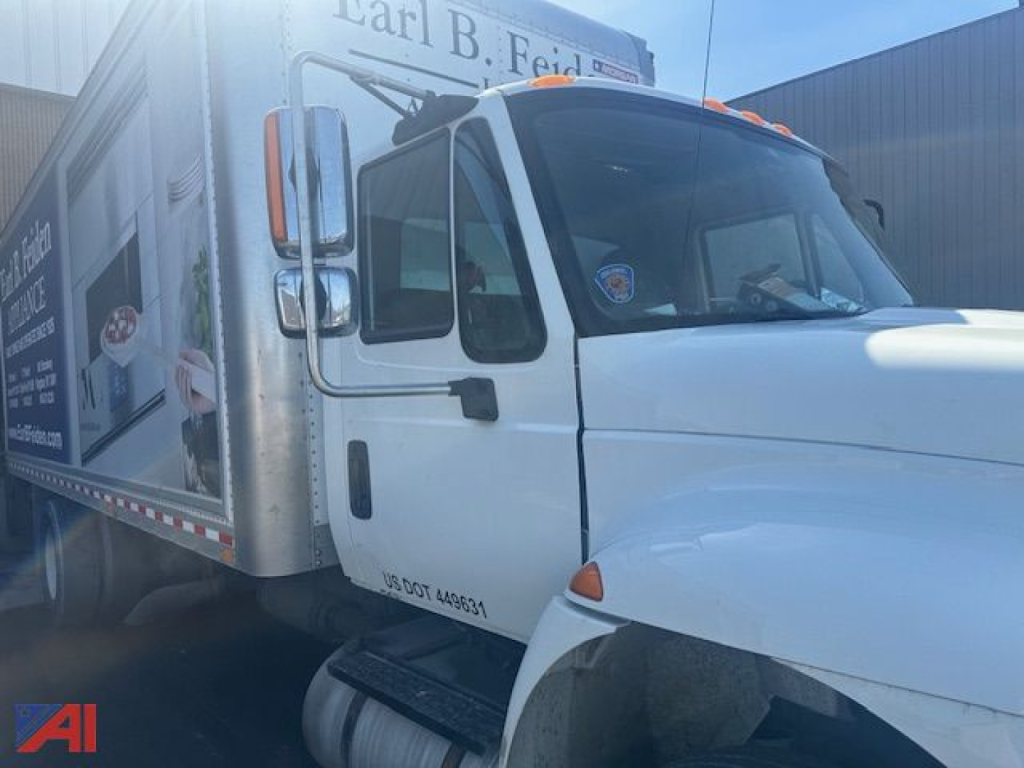
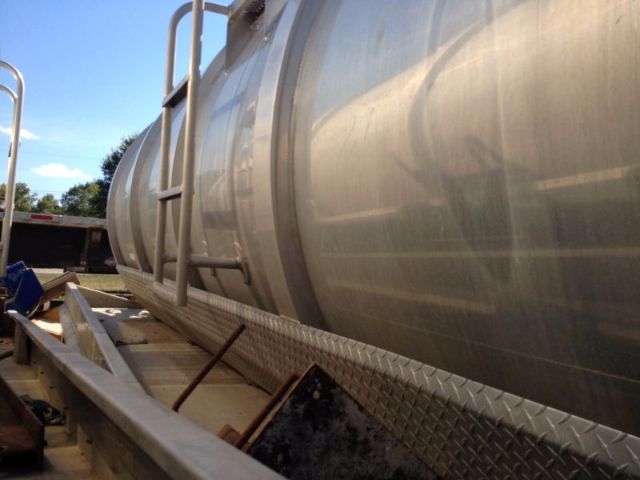
Have truck to sell? List it here to reach thousands of buyers.
About Trucks Near Ravena, New York
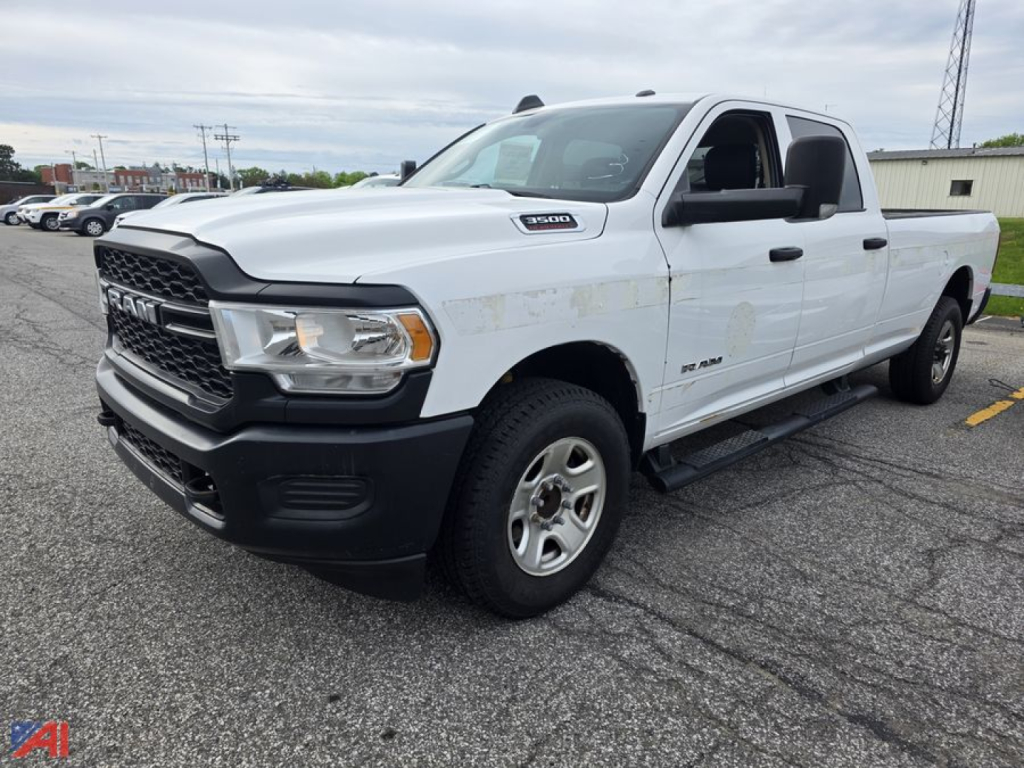
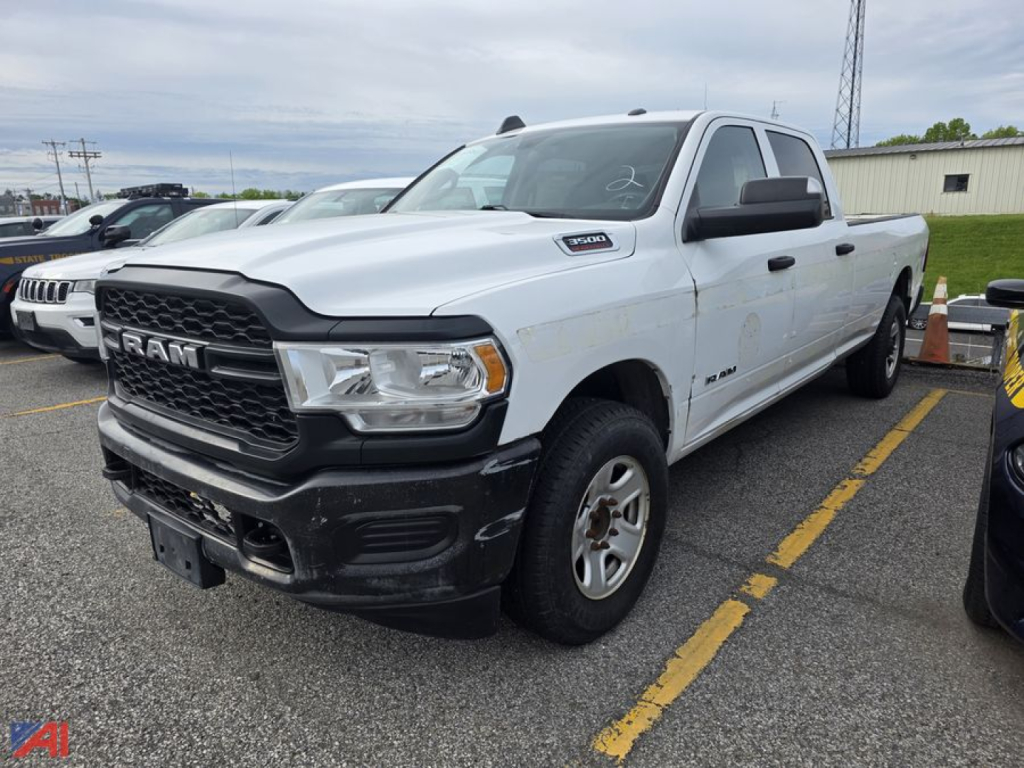
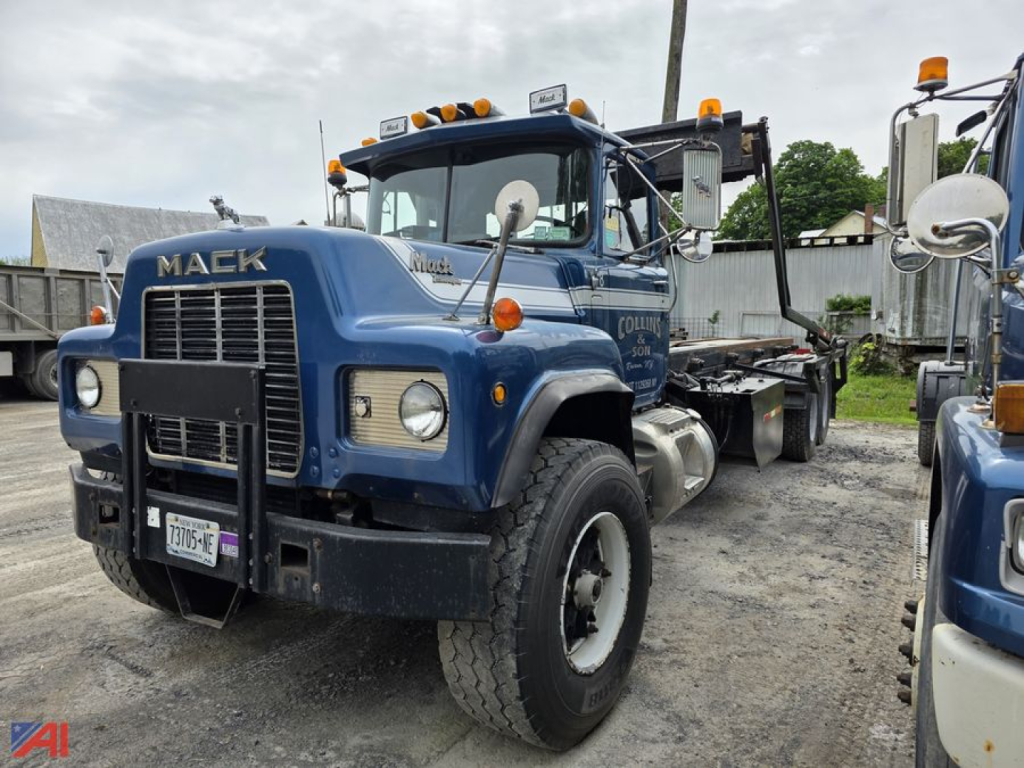
In this market, buyers should pay close attention to GVWR, axle ratings, wheelbase, and cab-to-axle dimensions. Those specs determine payload, bridge compliance, turning radius, and whether the chassis actually fits the body or upfit you need. Medium-duty trucks such as an International DuraStar 4300 are common in box and municipal applications because they balance payload with maneuverability. One-ton and Class 3 to 5 chassis like a Ram 3500 or GMC Sierra 3500 are often used for light dump and flatbed work where tighter access and lower operating costs matter. Heavier vocational platforms like a Mack RD688S are built for more severe duty, with stronger frames, higher-capacity suspensions, and driveline components suited to roll-off, refuse, or construction service.
Condition on a used truck should be judged by application-specific wear. On dump trucks, inspect the hoist, hinge points, floor thickness, and tailgate function. On flatbeds, look for deck integrity, rub rail condition, stake pockets, and signs of overloading. On box trucks, pay attention to body leaks, door seals, floor rot, and liftgate condition if equipped. On vacuum tank units, tank material, compartment configuration, hatch sealing surfaces, plumbing layout, and pump compatibility are critical. Across all categories, buyers in upstate New York should inspect frame corrosion, brake and fuel line condition, spring hangers, crossmembers, electrical connections, and cab mounts, especially on older trucks that have seen winter road salt.
Powertrain choices vary widely across this category, but reliability usually comes down to service history and parts support. Diesel engines dominate medium-duty and severe-duty trucks because they deliver torque for loaded starts, PTO work, and longer service life. Gas engines still make sense in lighter-duty trucks with lower annual mileage or easier maintenance priorities. Automatic transmissions are common for route and municipal work, while manual transmissions still appear in older vocational units. Buyers should also verify PTO setup, hydraulic pump engagement, rear axle ratio, brake type, tire size, and body manufacturer support. A truck that is correctly spec'd for payload, terrain, and duty cycle will generally outperform a newer truck that is mismatched to the work.
Frequently Asked Questions
What should I look at first when comparing different types of trucks for sale?
Start with the truck’s intended application and weight class. The body style must match the work, such as box for enclosed cargo, dump for loose material, flatbed for open deck hauling, roll-off for container service, or vacuum tank for liquid and sanitary work. After that, confirm GVWR, axle ratings, wheelbase, and cab-to-axle dimensions so the chassis can legally and practically handle the load and body configuration.
Are used vocational trucks in New York more prone to rust and corrosion issues?
Yes. Trucks that have worked in New York often show corrosion from road salt, especially on frames, crossmembers, brake lines, fuel lines, electrical connectors, cab corners, and body mounting points. Surface rust is common, but scaling around suspension mounts, spring hangers, hydraulic components, and structural body supports deserves closer inspection because it can affect safety, repair cost, and remaining service life.
How important is PTO and hydraulic system condition on a work truck?
It is critical on any truck that powers a dump body, roll-off hoist, vacuum system, or other auxiliary equipment. A truck can run and drive well but still require expensive repairs if the PTO does not engage correctly, the pump is weak, the hydraulic fluid is contaminated, or cylinders and hoses are leaking. Buyers should verify smooth operation under load, check for abnormal noise, and inspect controls, seals, valves, and reservoir condition.
What is the difference between a light-duty chassis truck and a heavier vocational truck?
A light-duty chassis such as a 3500 series truck is generally better for tighter job sites, shorter routes, and lower payload demands. It usually costs less to operate and is easier to maneuver. A heavier vocational truck has a stronger frame, larger axles, higher-capacity suspension, and driveline components built for repeated loading, rougher terrain, and more demanding body equipment. The right choice depends on payload, duty cycle, and expected annual utilization.
Does body condition matter as much as engine condition on a used truck?
Yes, especially in vocational service. Engine and transmission repairs are expensive, but body repairs on a dump, box, flatbed, roll-off, or vacuum tank truck can also be substantial and may be harder to source or certify. Floor rot, cracked hoists, worn hinge points, tank sealing problems, damaged doors, and compromised body mounts can directly affect usability and compliance. A sound powertrain with a worn-out body is often not the better value.