
Pickup 4wd Trucks For Sale in Maine
Browse Pickup 4WD trucks for sale in Maine. Compare cab styles, bed lengths, towing capacity, payload, drivetrain, and work-ready features.
Learn moreBrowse Pickup 4wd Trucks by Make
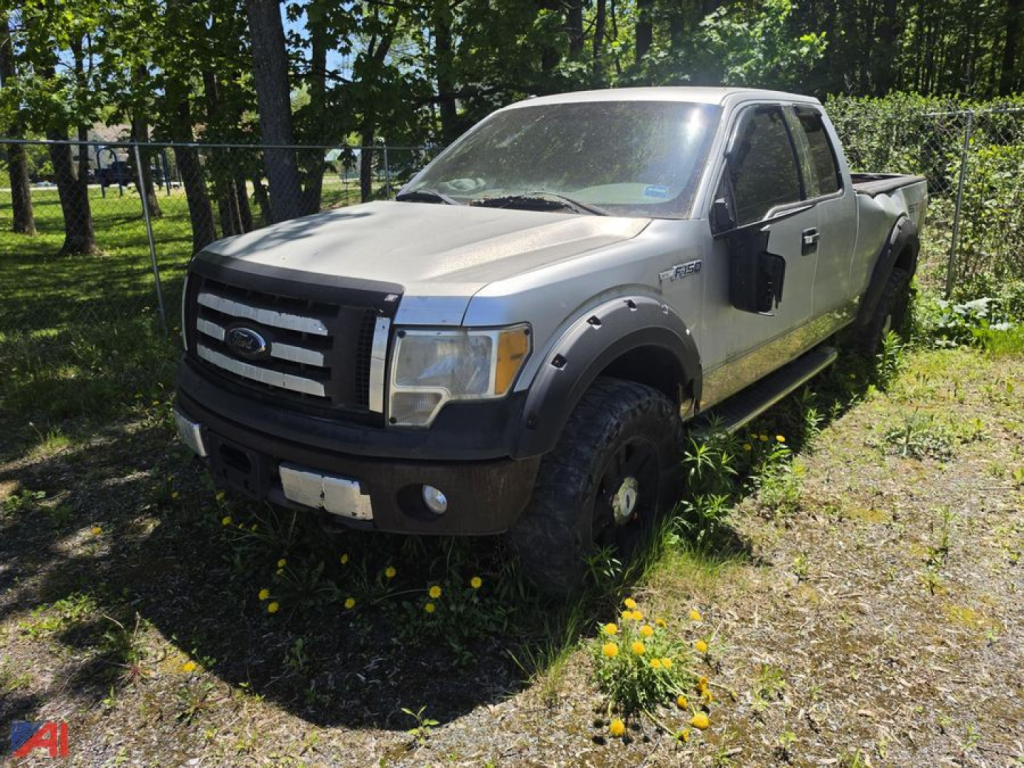
Have pickup 4wd truck to sell? List it here to reach thousands of buyers.
About Pickup 4wd Trucks in Maine
The first decision is usually chassis capacity and drivetrain setup. Common choices include gas and diesel engines, automatic transmissions, electronic shift-on-the-fly 4WD systems, and axle ratios matched to towing or highway use. Cab configuration matters too. Regular cab trucks maximize bed length and keep wheelbase shorter for tighter maneuvering, while extended cab and crew cab pickups add passenger space and secure interior storage. Bed length affects cargo flexibility, especially for palletized material, tools, fuel tanks, salt spreaders, and slide-in units. On work-focused trucks, buyers often look for trailer brake controllers, receiver hitches, PTO compatibility on some heavier models, locking differentials, skid plates, and upfitter switches.
In a used Pickup 4WD truck, condition is as important as spec. Rust, frame corrosion, rocker and cab corner damage, transfer case operation, front suspension wear, and 4x4 engagement should all be checked closely, especially in northern climates where road salt is a factor. Plow-prep or former plow use can add value for some operations, but it also puts more importance on inspecting front axle components, steering gear, transmission performance, and charging system health. Tire condition, brake life, service history, and signs of hard towing use also tell you a lot about remaining value. For buyers planning to use the truck daily, highway manners, fuel range, and ease of maintenance deserve as much attention as peak tow ratings.
Pickup 4WD trucks are also known simply as 4x4 pickups or four-wheel-drive pickup trucks. They fill a wide range of roles, from contractor and farm service to municipal fleets and recreational towing. The best choice comes down to matching GVWR, axle capacity, bed and cab layout, and traction equipment to the work cycle. A properly matched 4WD pickup gives you year-round usability, better off-pavement access, and the flexibility to serve as both a work truck and an all-weather transport vehicle.
Frequently Asked Questions
What should I look for first when buying a used 4WD pickup truck in Maine?
Start with frame and body corrosion, then verify that the 4WD system engages properly in both high and low range if equipped. In Maine, road salt can accelerate rust on frames, brake lines, suspension mounts, rocker panels, cab corners, and bed supports. After that, check front-end wear, transfer case function, tire condition, brake condition, and service records. A clean drivetrain inspection is often more important than cosmetic appearance on a work-oriented pickup.
Is a half-ton 4WD pickup enough for work use, or should I step up to a three-quarter-ton or one-ton?
That depends on payload, trailer weight, and how often the truck will work at capacity. A half-ton 4WD pickup is often enough for light contractor use, general maintenance, small trailers, and mixed personal use. A three-quarter-ton or one-ton truck is the better fit for heavier trailers, snowplows, slide-in equipment, larger tool loads, and repeated hauling where axle ratings, suspension strength, and braking capacity matter more than ride comfort.
Are former plow trucks a good value?
They can be, but they need a more careful inspection. A truck set up for plowing may already have useful equipment such as a plow mount, wiring, upgraded springs, or auxiliary electrical controls. At the same time, plowing adds stress to the front suspension, steering components, transmission, cooling system, and charging system. Buyers should inspect for front-end wear, uneven tire wear, frame condition, and evidence of hard seasonal use before deciding if the price makes sense.
What cab and bed configuration is best for a 4WD pickup?
The best setup depends on cargo needs, crew size, and operating space. A regular cab with a long bed is efficient for tools, materials, and utility use. An extended cab adds inside storage and occasional passenger room without the full length of a crew cab. A crew cab is better for crews or family use, but it usually comes with a shorter bed unless you move into a longer wheelbase. Bed length matters if you carry equipment, spreaders, fuel tanks, or palletized materials on a regular basis.
Why does axle ratio matter on a 4WD pickup truck?
Axle ratio affects towing performance, acceleration, and highway engine speed. A numerically higher axle ratio generally improves pulling power and low-speed response, which helps when towing, plowing, or operating in hilly terrain. A lower numerical ratio usually favors highway fuel economy and lower engine rpm. Buyers should match axle ratio to actual use, because the wrong gearing can make a truck feel underpowered under load or inefficient on long road runs.