
Trucks For Sale Near Pavilion, New York
Browse trucks for sale in Pavilion, NY, including dump trucks, sweepers, and vocational trucks for municipal, construction, and fleet use.
Learn more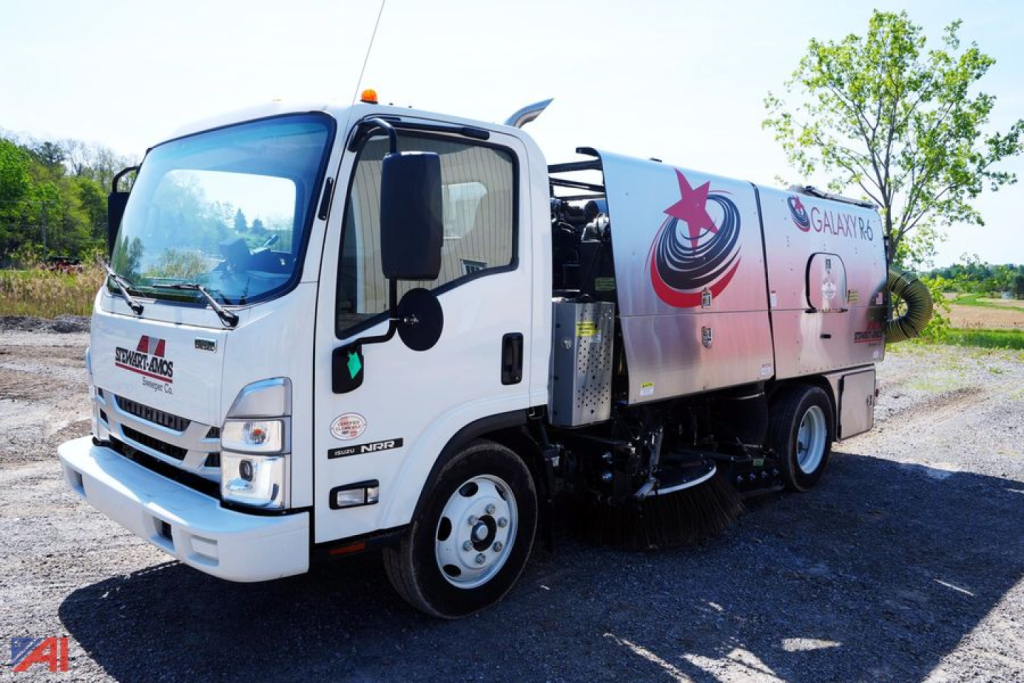
Have truck to sell? List it here to reach thousands of buyers.
About Trucks Near Pavilion, New York
For many buyers, the first decision is truck class and chassis spec. Medium-duty and heavy-duty trucks are commonly evaluated by GVWR, wheelbase, suspension, brake type, and PTO capability. Engine make, horsepower, torque rating, and transmission choice matter most when the truck will operate under load or in stop-and-go service. On vocational trucks, buyers should also pay close attention to body condition, hydraulic performance, hoist operation, hopper or tank integrity, frame corrosion, and signs of hard municipal use. In upstate New York, rust, wiring condition, and underbody exposure to road salt can be just as important as miles on the odometer.
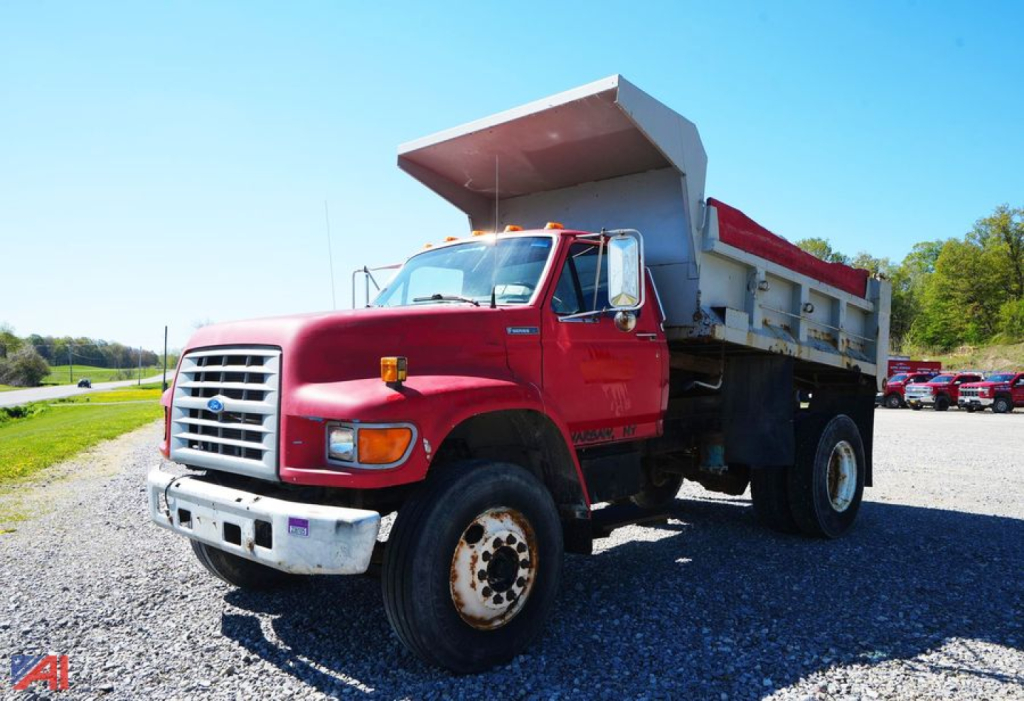
Dump trucks remain a core part of this market and are commonly spec'd with steel or aluminum bodies, single-axle or tandem configurations, and options like locking differentials, pintle hitches, tarps, and snow and ice equipment. Street sweepers are another specialized segment, often built on medium-duty cabover chassis such as Isuzu, and buyers typically focus on broom hours, auxiliary engine condition, water system performance, conveyor or vacuum function, and parts support for the sweeper body manufacturer. Across the category, service records, PTO engagement, tire condition, brake wear, and evidence of leaks around hydraulics or drivetrain components are practical checkpoints that can tell you more than appearance alone.
Used trucks in this class are often purchased for municipal fleets, contractors, property maintenance, landscape supply, excavation, and public works applications. Cab style, visibility, turning radius, and seasonal versatility can affect long-term value as much as engine spec. A buyer comparing multiple trucks should look beyond year and make and focus on remaining service life, body upfit quality, and how easily the unit can be supported with parts and service in the region. A properly matched truck lowers downtime, carries the right payload, and fits the job without overspending on capacity that will never be used.
Frequently Asked Questions
What should I look at first when comparing used trucks for sale?
Start with the truck’s intended job and confirm the chassis can handle it. GVWR, axle rating, wheelbase, engine and transmission specs, PTO capability, and body type should match the work cycle. After that, inspect frame condition, rust, hydraulic operation, brake wear, tire condition, and service history. On vocational trucks, the body and auxiliary systems often determine value as much as the cab and engine.
Are dump trucks and street sweepers evaluated differently than standard commercial trucks?
Yes. A vocational truck should be inspected as both a chassis and a piece of job-specific equipment. On a dump truck, buyers usually focus on hoist performance, body condition, floor wear, tailgate operation, and hydraulic leaks. On a street sweeper, broom hours, water system function, vacuum or conveyor performance, hopper condition, and sweeper body parts support are critical. The underlying chassis still matters, but the upfit can drive repair cost and downtime.
Why is rust such a major issue on trucks in New York?
Road salt, winter moisture, and freeze-thaw cycles can accelerate corrosion on frames, crossmembers, brake lines, wiring connections, dump bodies, and underbody components. Surface rust is common, but scaling, rot, and corrosion around suspension mounts, spring hangers, cab mounts, and hydraulic components can create expensive repairs. In this region, undercarriage condition often deserves as much attention as mileage or engine hours.
What is the most important spec for a work truck, payload or horsepower?
Neither should be viewed by itself. Payload capacity matters because the truck has to legally and safely carry the load, but horsepower and torque determine how well it handles grades, stop-and-go driving, and PTO-driven work. The better approach is to match GVWR, axle setup, engine output, gearing, and body design to the actual application. An overbuilt truck adds cost and weight, while an underspec'd truck usually shows higher wear and lower productivity.
How important are service records on a used vocational truck?
They are extremely important because many work trucks operate in severe-duty conditions with frequent idling, hydraulic use, and seasonal stress. Records can confirm oil and filter intervals, brake work, hydraulic maintenance, cooling system service, and repairs to the body equipment. A complete maintenance history helps a buyer judge remaining service life and spot patterns of recurring problems before committing to a truck.