
Trucks For Sale Near Patterson, New York
Browse trucks for sale in Patterson, NY, including medium-duty and specialty commercial trucks with specs, applications, and buyer guidance.
Learn more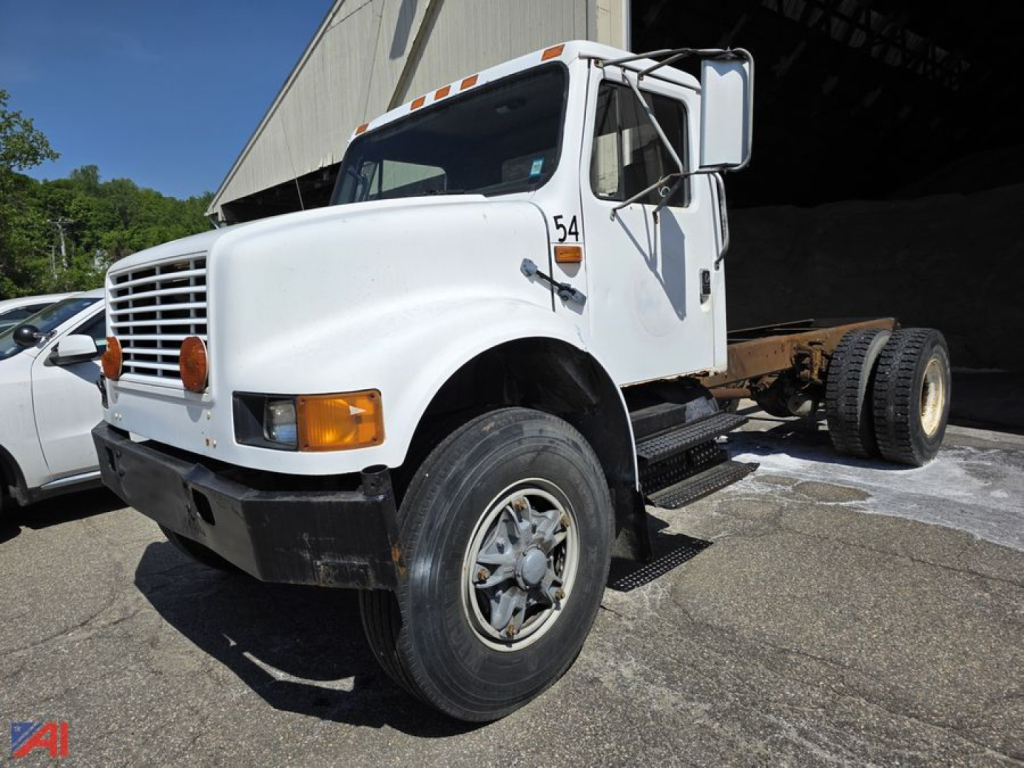
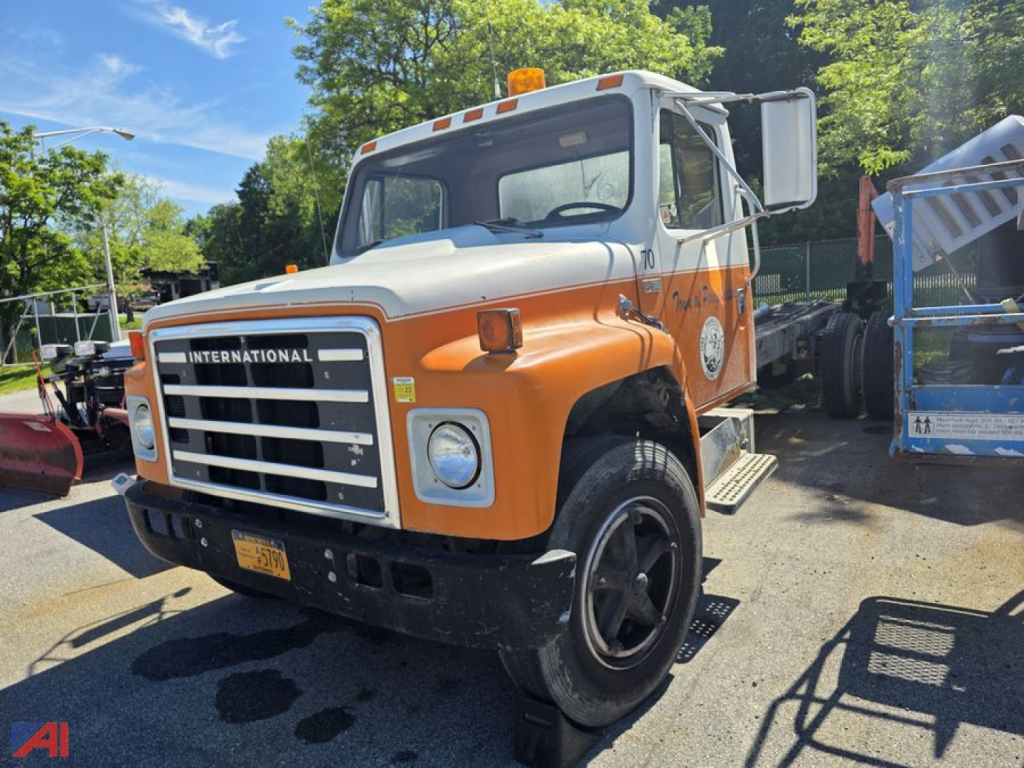
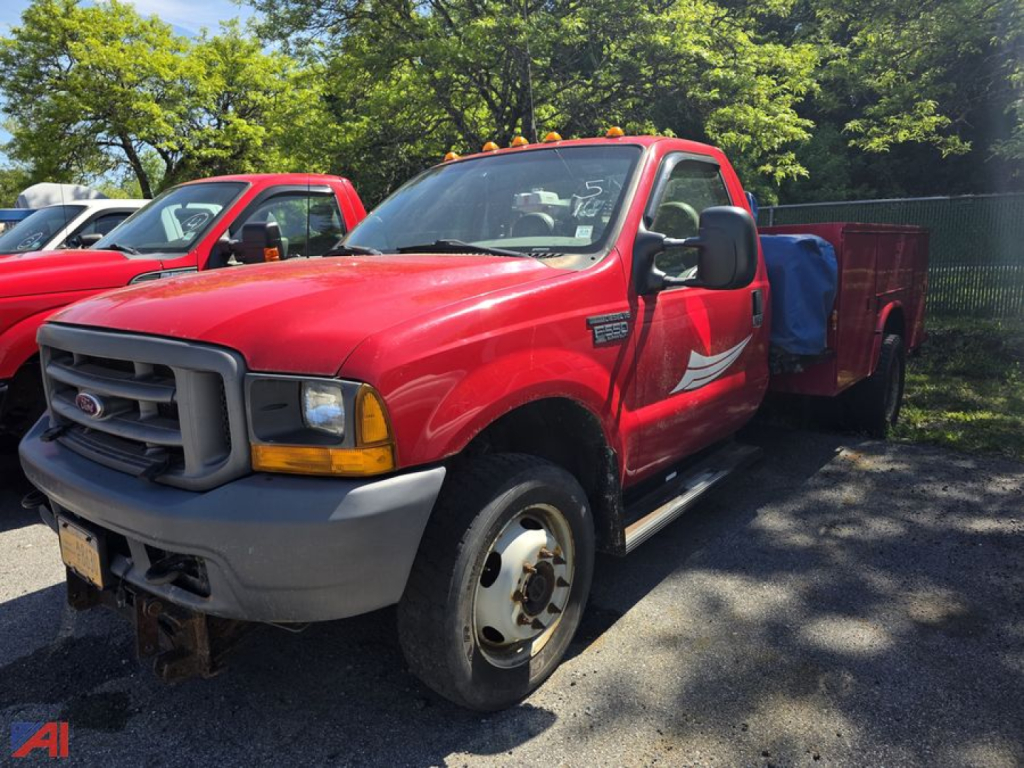
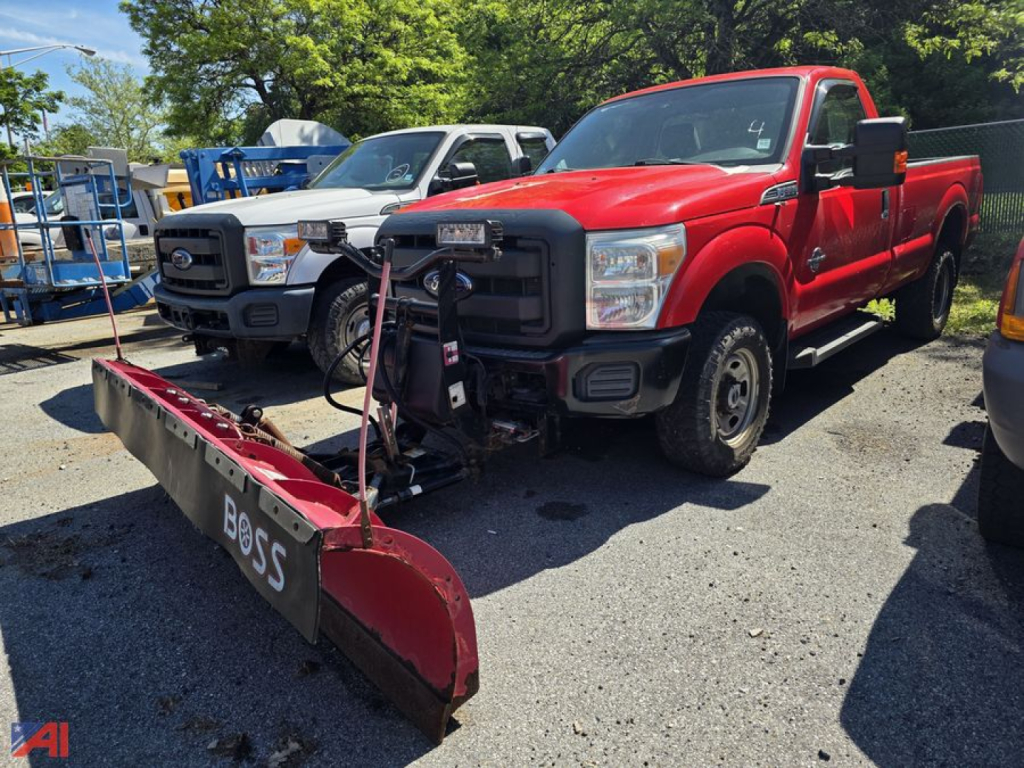
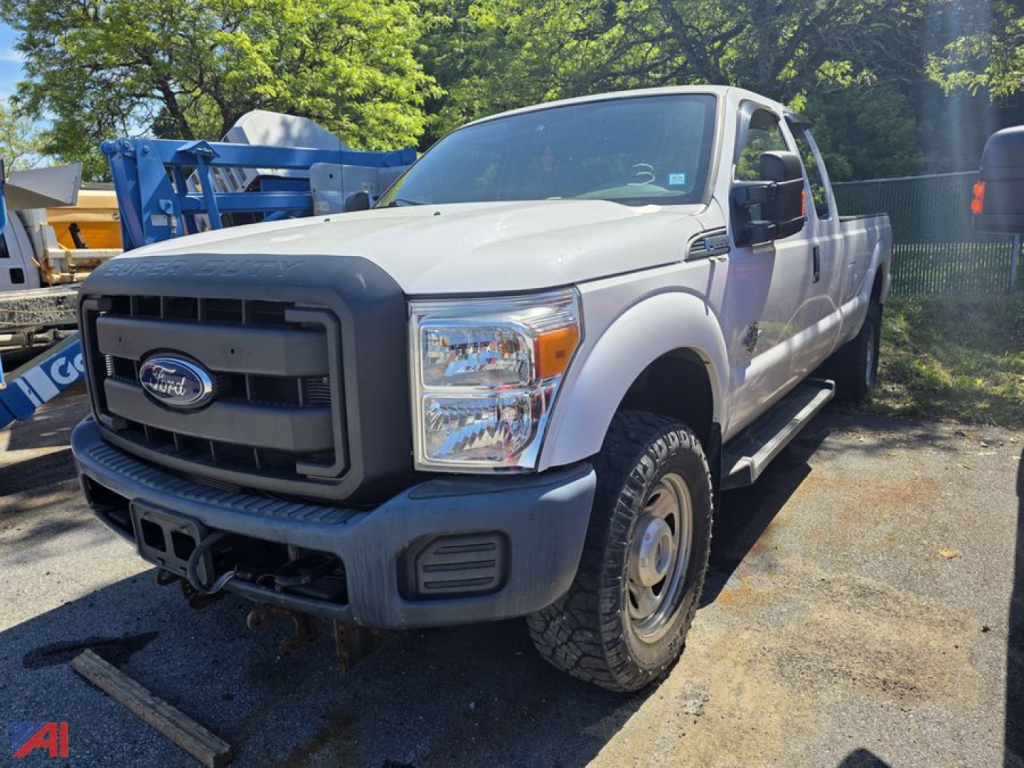
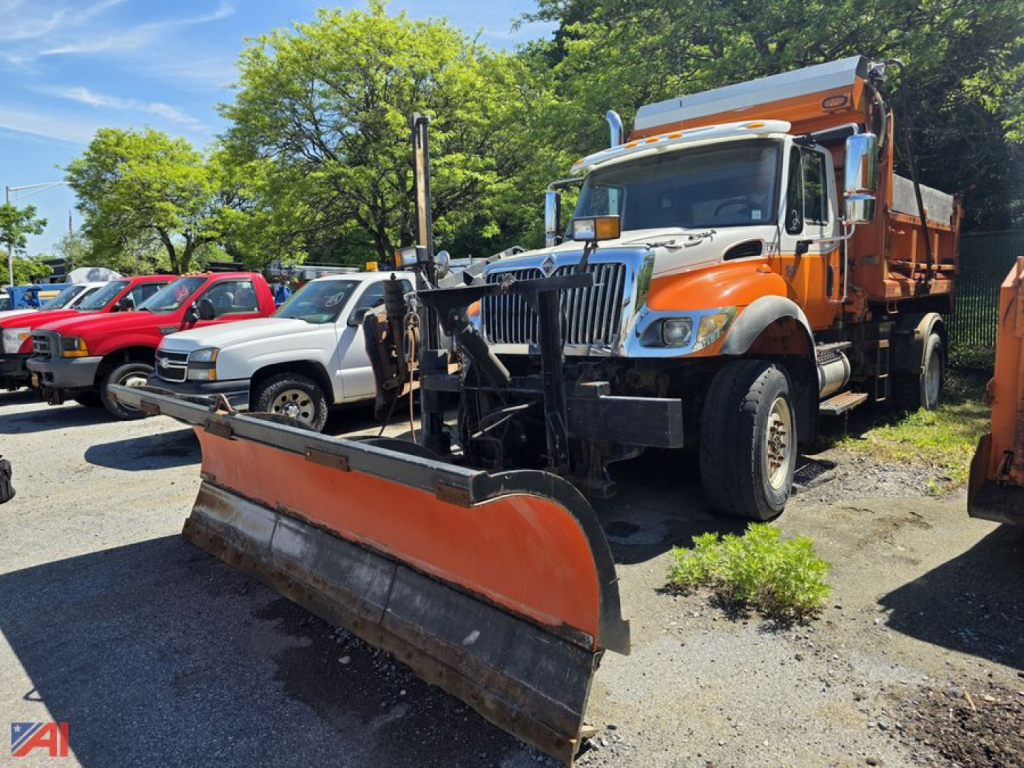
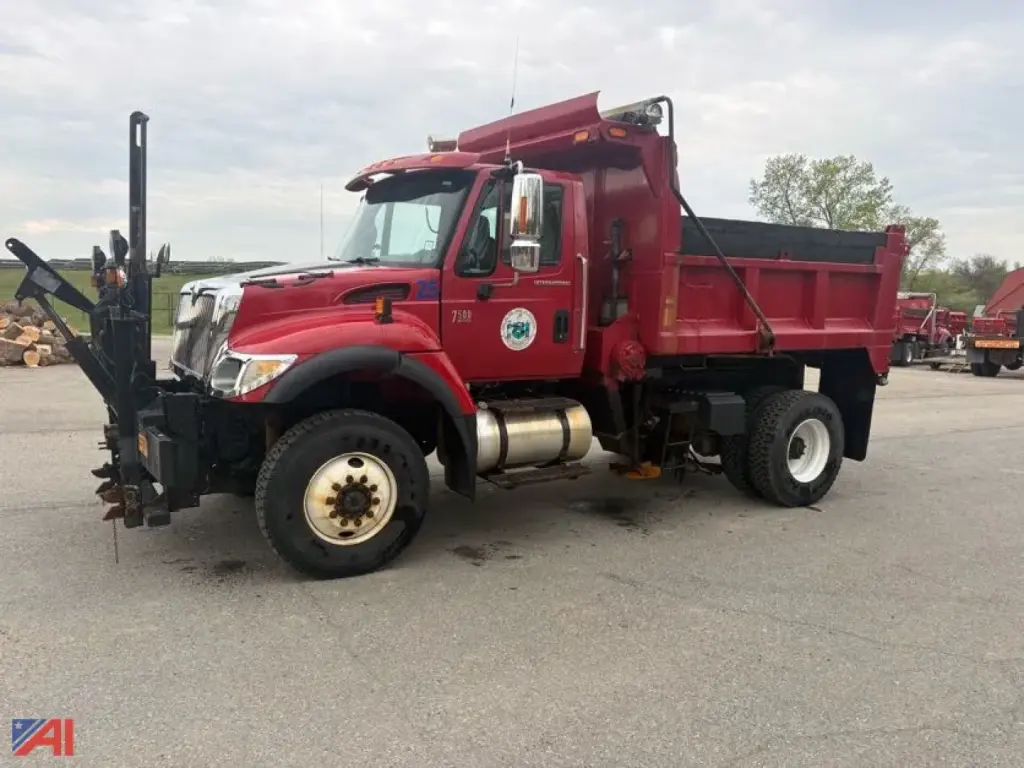
Have truck to sell? List it here to reach thousands of buyers.
About Trucks Near Patterson, New York
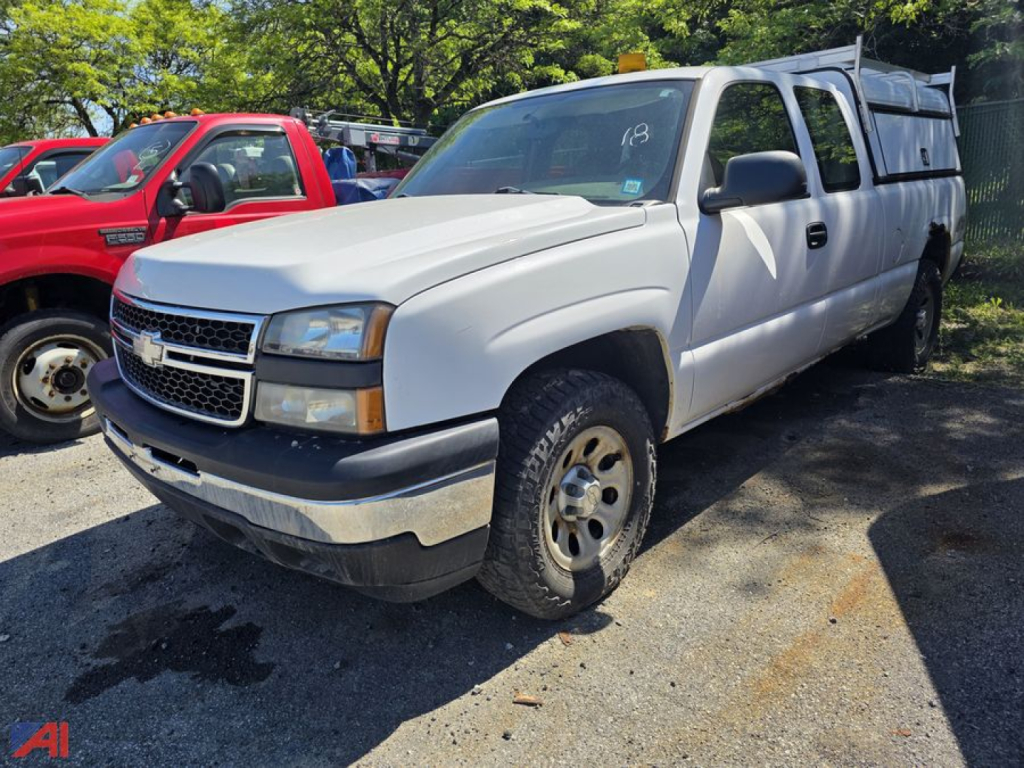
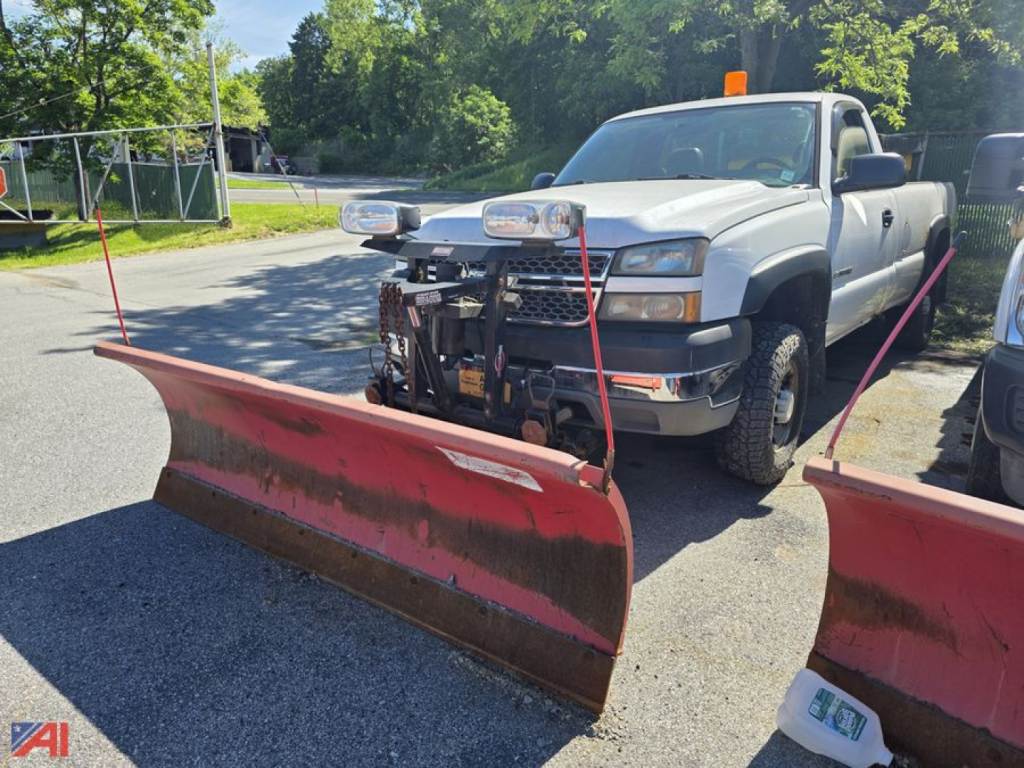
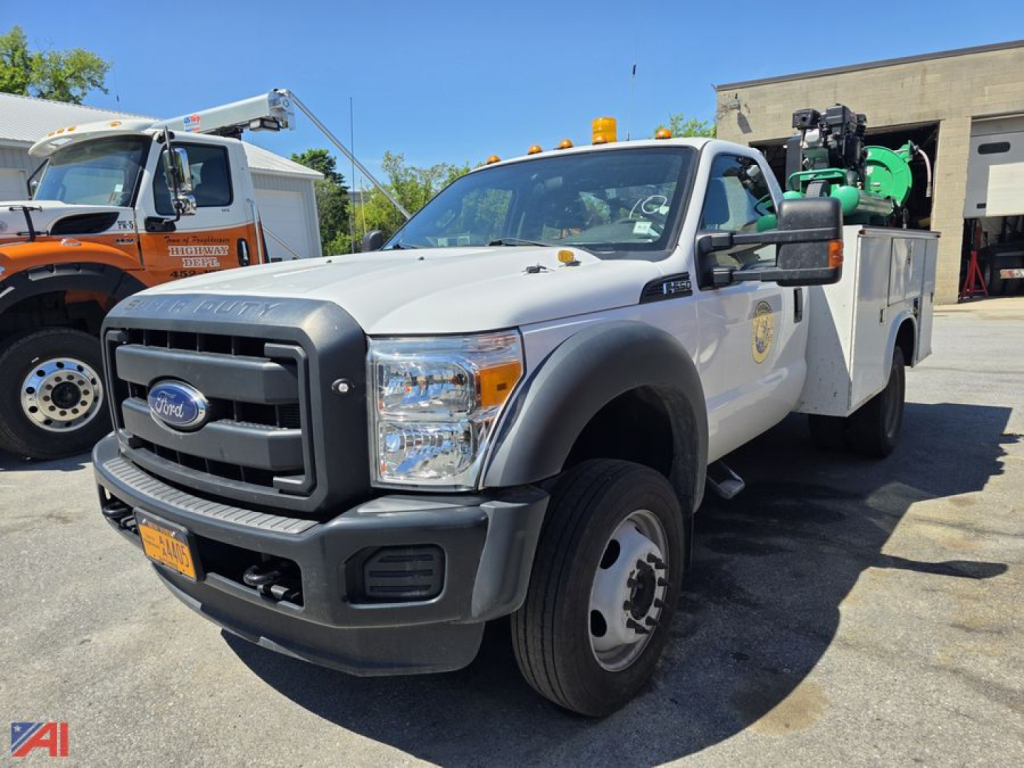
In a mixed truck category, buyers should pay close attention to how the truck was built to work. A delivery truck needs the right cube and door configuration. A dump or municipal truck needs correct hoist specs, frame strength, and hydraulic setup. A bus or passenger unit needs seating capacity, entry configuration, visibility, and compliance equipment. Medium-duty platforms such as Freightliner, Chevrolet, International, Ford, and GMC are often chosen because parts support is broad and body-builder compatibility is strong. If the truck will run local routes in the Hudson Valley or make frequent stop-and-go trips, turning radius, cab access, brake wear, and idle time matter just as much as horsepower.
Used truck buyers in New York should also look closely at corrosion, especially on frame rails, brake lines, crossmembers, cab mounts, and underbody hardware. Road salt exposure can change the value of a truck quickly. Check tire date codes, suspension bushings, driveline vibration, liftgate or body operation if equipped, and any fault codes stored in the engine or aftertreatment system. On diesel units, emissions equipment condition is a major cost factor, particularly on trucks with extensive low-speed operation. For buses and people-moving configurations, inspect door operation, warning systems, seat mounting, HVAC performance, and any state-specific equipment requirements.
The best truck for sale is the one matched tightly to payload, route, and body needs. Buyers comparing listings should verify GVWR, actual axle ratings, engine family, transmission model, wheelbase, brake system, fuel type, and cab-to-axle dimension before focusing on cosmetics. That approach helps narrow the field quickly and avoids buying a truck that will need expensive rework before it can go to work.
Frequently Asked Questions
What should I check first when comparing used trucks for sale?
Start with the truck's intended job and match that to GVWR, axle ratings, wheelbase, cab-to-axle dimension, and body type. Those specs determine payload, upfit compatibility, and operating cost. After that, review engine and transmission combination, brake type, suspension, tire condition, and service records. On New York trucks, frame and underbody corrosion should be a primary inspection point.
Is diesel always better than gas in a commercial truck?
Diesel is not automatically better. Diesel trucks typically offer stronger torque, longer service life in heavy-use applications, and better performance under load, but they also bring higher repair costs and emissions-system complexity. Gas trucks can make sense for lighter duty cycles, shorter routes, lower annual miles, and fleets that want lower upfront cost and simpler maintenance. The better choice depends on payload, daily mileage, idle time, and how long the truck will be kept.
How important is wheelbase on a truck?
Wheelbase affects body fit, turning radius, ride quality, bridge law considerations in some applications, and overall maneuverability. A longer wheelbase may support a larger body or improve stability, but it can be harder to position in tight lots or urban delivery environments. A shorter wheelbase helps maneuverability but may limit body length or payload distribution. Buyers should confirm the wheelbase fits both the route and the equipment mounted on the chassis.
What issues are common on used trucks in New York?
Rust and corrosion are major concerns because of winter road treatment. Buyers should inspect frame rails, spring hangers, brake lines, fuel and DEF tank straps, crossmembers, body mounts, wiring connectors, and under-cab structures. Beyond corrosion, watch for wear related to stop-and-go service such as brakes, steering components, suspension bushings, and transmission heat. On diesel units, check for active or stored emissions faults and confirm the aftertreatment system is functioning correctly.
Are buses and specialty body trucks evaluated differently than standard straight trucks?
Yes. Specialty units need inspection beyond the chassis. A school bus, shuttle bus, or other passenger configuration should be checked for door function, seating condition, emergency exits, warning and lighting systems, HVAC, and state compliance items. Other specialty trucks such as dump, service, or utility bodies should be evaluated for hydraulic function, PTO operation, body integrity, and mounting condition. The chassis still matters, but the body equipment often drives the true replacement cost.