
Trucks For Sale Near Oneonta, New York
Browse trucks for sale in Oneonta, New York, including pickups, medium-duty, and commercial trucks with specs suited to work, towing, and fleet use.
Learn more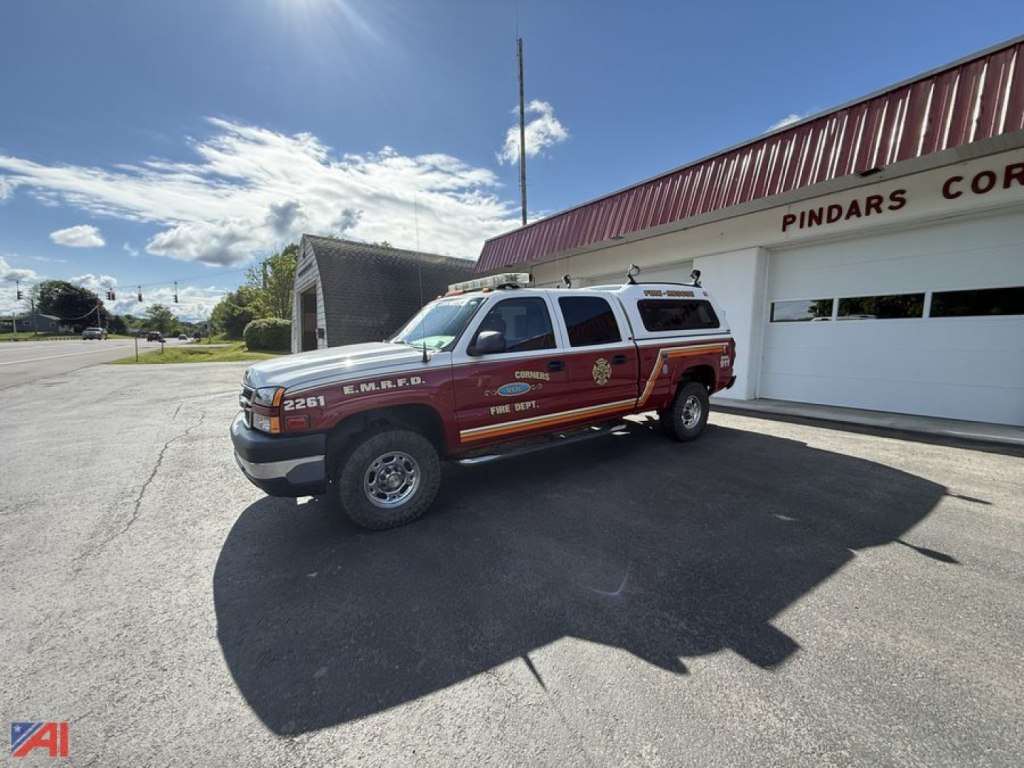
Have truck to sell? List it here to reach thousands of buyers.
About Trucks Near Oneonta, New York
For light-duty and medium-duty buyers, the first big decision is usually gas versus diesel, followed by two-wheel drive versus four-wheel drive. A 4WD pickup truck is often the practical choice for snow, unpaved access roads, and off-pavement jobsite work, while 2WD can make sense for highway-focused use with lower maintenance complexity. Buyers comparing trucks should pay close attention to engine hours where applicable, transmission type, transfer case operation on 4x4 units, brake condition, frame rust, and the condition of wear items such as tires, steering components, and suspension bushings. On work trucks with caps, utility setups, or emergency equipment history, it also helps to inspect auxiliary electrical systems, idle time, and any removed fleet equipment.
Specifications matter more than badge alone. Important numbers include GVWR, GCWR, wheelbase, payload rating, towing rating, bed length, and rear axle capacity. On commercial trucks, body upfit quality, PTO functionality, liftgate condition, and brake type can be just as important as mileage. Buyers looking at older used trucks should also consider maintenance records, emissions equipment condition, cooling system service history, and whether the truck was fleet-maintained or privately operated. In regions like Oneonta, corrosion from road treatment can be a deciding factor, so crossmembers, cab corners, rocker panels, brake lines, and spring hangers deserve a close inspection.
This truck category covers a wide range of applications, including contractor use, municipal service, farm work, emergency response support, towing, and general transportation. Some units are configured for daily highway miles, while others are built around low-speed site work or seasonal utility demands. The best buying approach is to match the truck's class, drivetrain, and chassis setup to the actual job, then verify that the condition of the powertrain, frame, and upfit supports that use without immediate reconditioning costs.
Frequently Asked Questions
What should I check first when buying a used truck in New York?
Start with frame and body corrosion, especially on trucks that have spent years in snow-belt service. In New York, rust can affect brake lines, crossmembers, rocker panels, cab mounts, spring hangers, and bed supports long before a truck shows major drivetrain trouble. After that, verify GVWR, drivetrain configuration, tire condition, and service history so the truck's actual capability matches the intended workload.
Is a 4WD truck worth it for buyers in the Oneonta area?
For many buyers, yes. Four-wheel drive is a strong advantage for winter travel, gravel roads, muddy jobsites, and properties with steep grades or limited maintenance. The tradeoff is added weight, more driveline components to maintain, and sometimes slightly lower fuel economy. If the truck will spend most of its time on paved roads with light duty use, a 2WD configuration may still be the more cost-effective choice.
How important is GVWR when comparing trucks for sale?
GVWR is one of the most important numbers on any truck because it defines the maximum allowable weight of the truck, passengers, fuel, cargo, and upfit combined. It affects legal operation, registration class, payload capacity, and how well the truck will handle a loaded workday. Buyers should compare GVWR alongside axle ratings, suspension setup, and intended cargo or trailer weight instead of relying on model name alone.
What is the difference between a pickup truck and a commercial work truck?
A pickup truck is typically built around an open bed and is commonly used for mixed personal and jobsite use, towing, and light cargo hauling. A commercial work truck is usually configured more specifically for a task, such as utility service, delivery, municipal work, emergency support, or contractor duty, often with service bodies, racks, liftgates, or specialized equipment. The right choice depends on whether flexibility or task-specific productivity matters more.
Does mileage tell the whole story on a used truck?
No. Mileage is important, but condition, maintenance history, idle hours, drivetrain wear, and prior application often matter just as much. A fleet truck with documented service can be a better buy than a lower-mileage truck with poor maintenance or heavy corrosion. Buyers should also account for transmission performance, engine blow-by, brake wear, steering play, and the condition of any installed body or accessory equipment.