
Trucks For Sale Near Moscow, Pennsylvania
Browse trucks for sale in Moscow, PA, including pickups and dump trucks with key specs, GVWR, cab, drivetrain, and body insights.
Learn more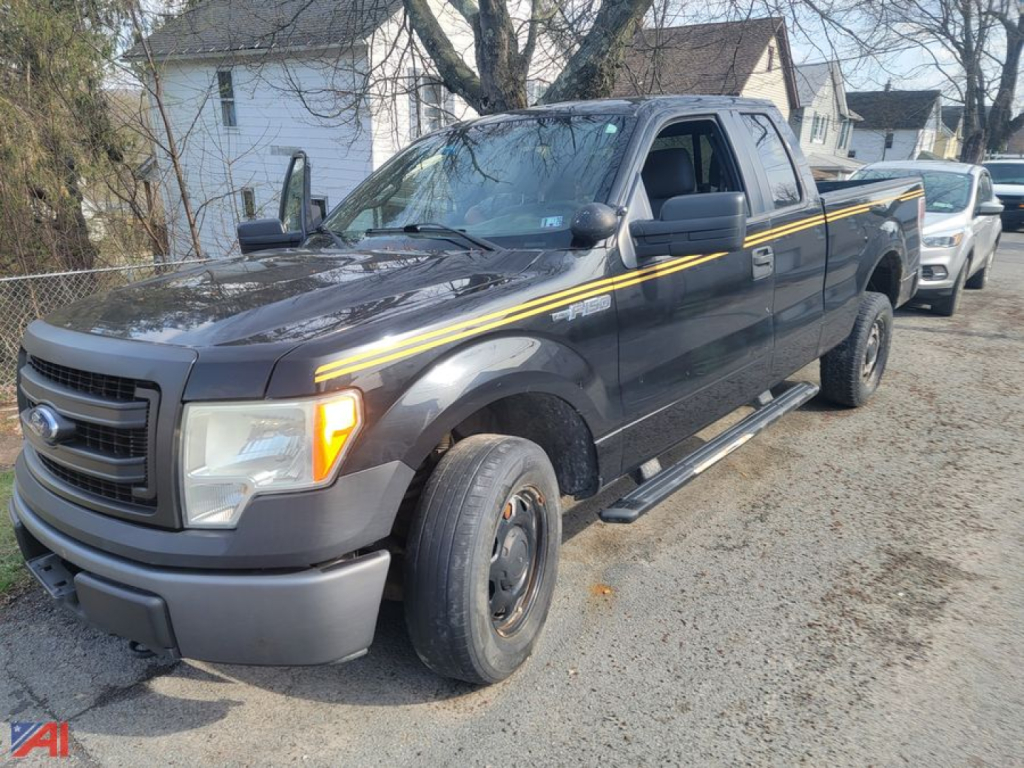
Have truck to sell? List it here to reach thousands of buyers.
About Trucks Near Moscow, Pennsylvania
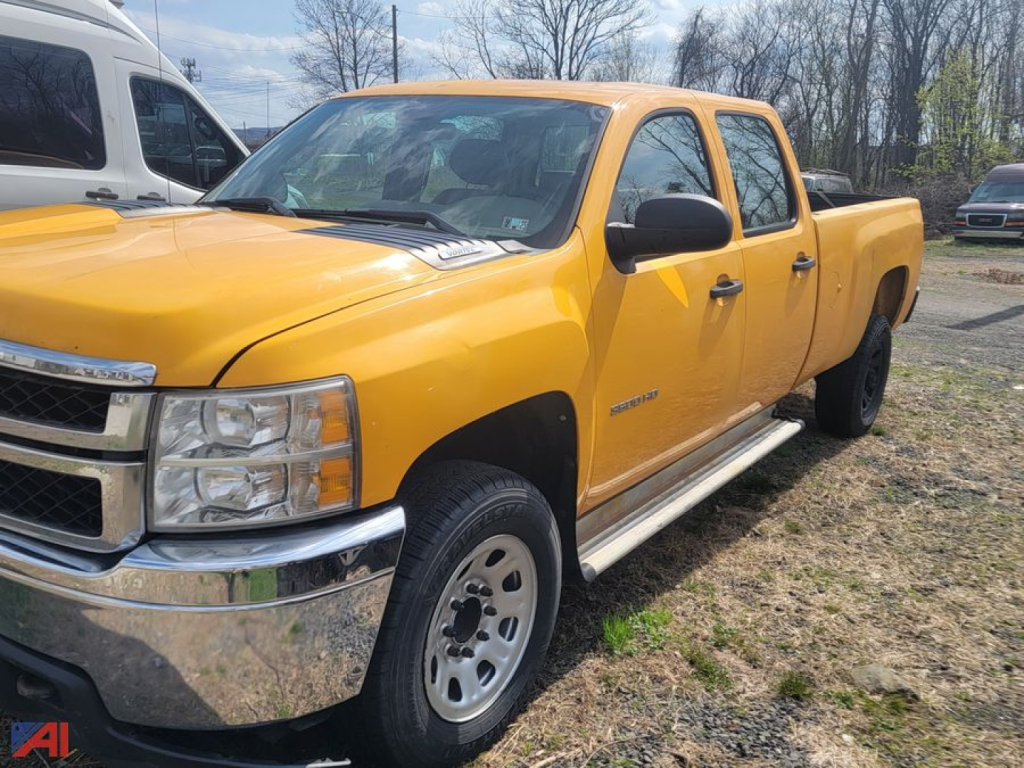
For pickup trucks, the main variables are GVWR, cab configuration, bed length, and drivetrain. Regular cab, extended cab, and crew cab layouts change passenger capacity and usable interior storage, while 2WD versus 4WD affects traction, maintenance cost, and resale demand. Gas engines remain common in light-duty pickups because they are simpler for mixed-use fleets and lower annual miles, but diesel power is still a strong choice when towing is the priority. Buyers should verify axle ratio, hitch equipment, brake controller setup, tire condition, and whether the truck has spent its life in personal use, municipal service, or jobsite work. On used pickups, frame condition, rocker panels, cab corners, and transmission behavior usually tell you more than cosmetic appearance.
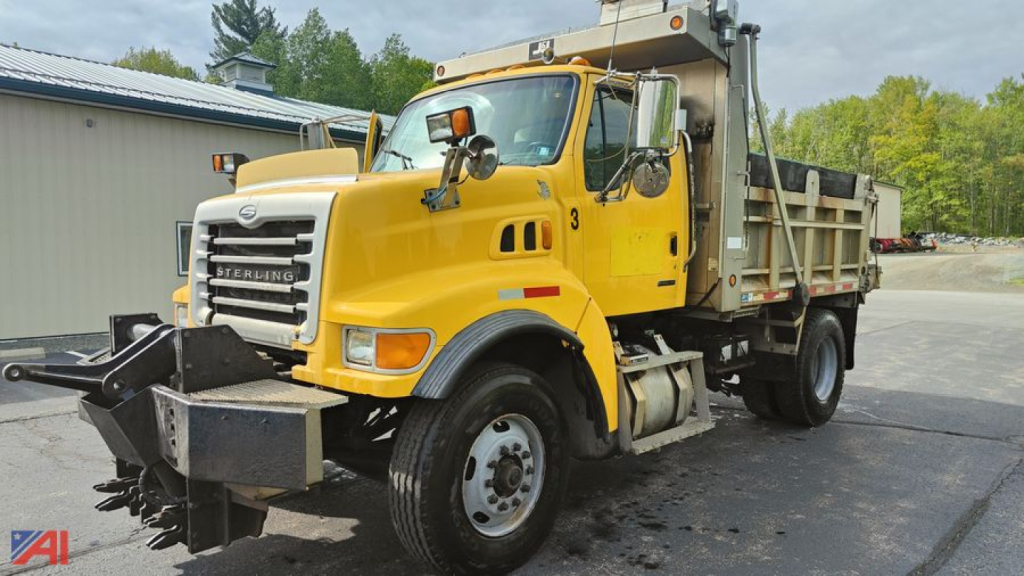
For dump trucks and other vocational trucks, body and chassis specs matter more than brand loyalty. Look closely at GVWR, wheelbase, axle ratings, hoist type, body length, side height, PTO operation, and whether the truck is set up for asphalt, gravel, salt, mulch, or demolition material. A single-axle dump is often the practical fit for local hauling, site work, and municipal duty because it balances payload with maneuverability on tighter roads and job entrances. Suspension type, brake system, tire size, and any evidence of frame reinforcement or hard plow service should be part of the inspection. In this region, rust around the cab mounts, dump body crossmembers, floor, hinges, and hydraulic components can be just as important as engine hours or odometer miles.
Across any truck category, buyers should evaluate service records, idle time, emissions equipment where applicable, and whether the truck’s current configuration matches DOT and registration requirements for the intended use. A truck that looks inexpensive up front can become costly if it needs tires, hydraulic work, front-end parts, or body corrosion repair right away. The best comparison is not only make and model, but payload capacity, towing setup, cab layout, drivetrain, and the actual work the truck has been doing. That approach gives a clearer picture of operating cost, uptime, and long-term fit than year alone.
Frequently Asked Questions
What should I compare first when shopping for trucks for sale?
Start with the truck class and intended application. Payload, towing requirement, GVWR, axle rating, drivetrain, and body style matter more than brand or model year at the beginning of the search. A light-duty pickup, a 1-ton work truck, and a dump truck can all appear on the same marketplace page, but they serve very different jobs and ownership costs.
Is 4WD worth it on a used truck in Pennsylvania?
For many buyers in Pennsylvania, 4WD is a practical advantage because of winter weather, unpaved job entrances, and mixed on-road and off-road use. It usually adds resale strength and jobsite flexibility, but it also adds components that need inspection, including transfer case operation, front differential, hubs, and steering and suspension wear. If the truck will stay on pavement and carry lighter duty cycles, 2WD can still be a cost-effective option.
What matters most on a used dump truck inspection?
Focus on the condition of the frame, dump body, hoist, PTO operation, hydraulic lines, pins, hinges, crossmembers, floor thickness, and signs of prior cracking or patchwork. Check brake condition, tire age, steering play, and whether corrosion is cosmetic or structural. A dump truck can run well mechanically and still require expensive body or hydraulic repairs, so the body and chassis deserve as much attention as the engine.
How do I know if a pickup can handle my trailer or equipment?
Check the truck’s GVWR, GCWR, axle ratings, engine and transmission combination, axle ratio, hitch rating, and trailer brake setup. The badge on the fender does not tell the full story because two similar-looking pickups can have very different towing capacity based on configuration. Door-jamb labels and factory towing information are more reliable than assumptions based on model name alone.
Are miles the best way to judge a used work truck?
Miles are useful, but they are only part of the picture. Idle time, maintenance history, type of work performed, rust exposure, and component wear often tell more about remaining service life than odometer reading alone. A higher-mile truck with documented maintenance and lighter duty use can be a better buy than a lower-mile truck that spent years plowing, hauling heavy loads, or sitting outside with limited upkeep.