
Mack Mixer Trucks For Sale in Washington
Browse Mack mixer trucks for sale in Washington. Compare Granite specs, axle setups, drum capacity, transmission options, and concrete hauling features.
Learn more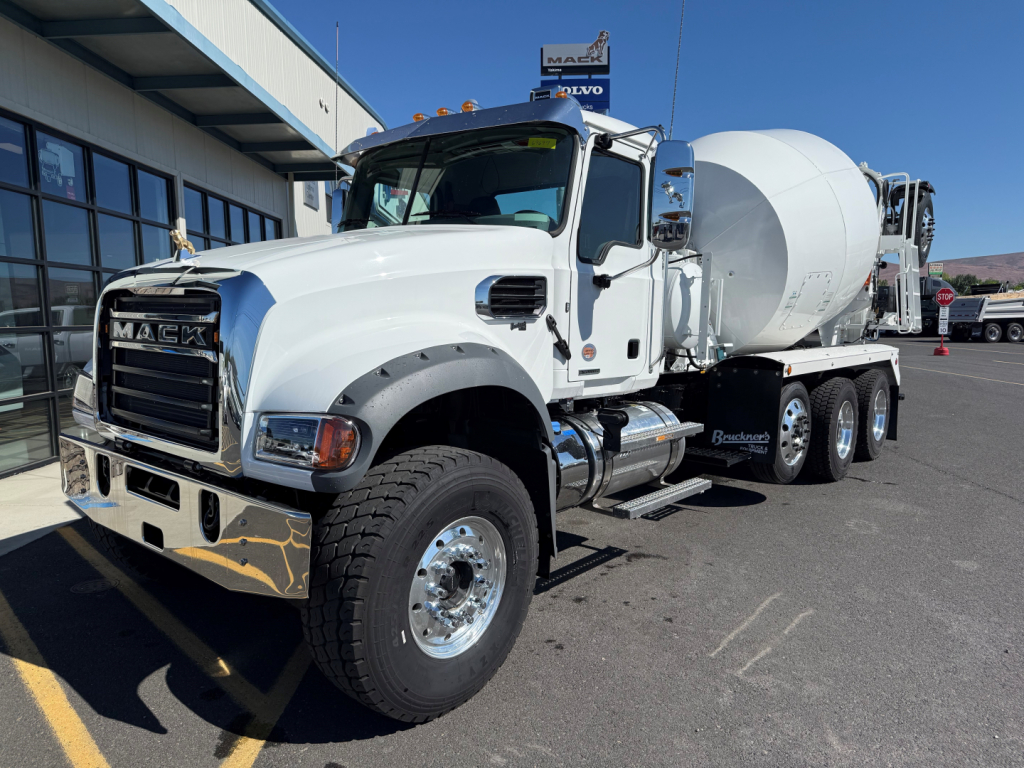
Have mack mixer truck to sell? List it here to reach thousands of buyers.
About Mack Mixer Trucks in Washington
A typical Mack mixer truck is built around a vocational diesel engine such as the MP7, paired with an automated manual or manual transmission designed for low-speed control and repeated stop-and-go duty. Common specs include 18,000 to 20,000 lb front axles, 38,000 to 46,000 lb rears, and tri-axle or quad-axle layouts depending on local weight requirements and mixer body configuration. Many buyers also pay close attention to pusher or tag axle design, steerable lift axle function, rear axle ratios, and suspension choice because these affect bridge compliance, tire wear, and turning radius. Disc brakes, interwheel differential locks, heavy-duty frame rails, and low-creep gearing are especially relevant on concrete trucks that spend their day moving from paved roads to rough plant yards and tight pours.
The mixer body itself is just as important as the chassis. Concrete mixer trucks are commonly spec'd with drum capacities around 10 to 11 yards, with body brands varying by region and fleet preference. Water tank size, chute storage, auxiliary chute setup, hopper design, drum drive system, and access for washout and maintenance all affect daily uptime. A buyer comparing Mack mixer trucks should also check wheelbase, cab-to-trunnion dimensions, overall length, and weight distribution across all axles, since those details determine how well the truck carries a legal load without sacrificing maneuverability. In tighter Washington markets, especially around metro construction zones, a balanced spec with a steerable pusher axle can make a noticeable difference in site access and curb-to-curb handling.
Long-term operating cost comes down to how well the truck was spec'd for concrete work instead of general vocational use. A true mixer spec should support PTO performance, repeated low-speed operation, heavy front-end loading, and frequent starts, stops, and backing. Mack trucks are well regarded in this segment for their vocational chassis design, cab durability, and drivetrain integration, but buyers still need to verify service history, barrel condition, frame integrity, suspension wear, hydraulic components, and any signs of drum or subframe stress. When comparing listings, the best value is usually the truck with the right axle package, legal payload potential, and mixer body condition for the type of concrete work being hauled.
Frequently Asked Questions
What makes a Mack mixer truck a good fit for concrete hauling?
Mack mixer trucks are built on vocational chassis platforms designed for heavy loads, frequent stop-and-go cycles, and rough jobsite conditions. Models like the Mack Granite are commonly spec'd with heavy front axles, high-capacity rear suspensions, automated manual transmissions with low-speed control, and axle configurations that support legal payload. That combination makes them well suited for ready-mix service where stability, durability, and predictable handling matter every day.
What drum capacity is common on a Mack mixer truck?
Many Mack mixer trucks are equipped with 10-yard to 11-yard mixer bodies, although the exact legal payload depends on axle spacing, truck weight, and state or local bridge laws. Buyers should not judge capacity by drum size alone. The more important question is how much concrete the truck can legally and consistently haul on its actual chassis and axle configuration.
What axle setup should I look for on a mixer truck in Washington?
In Washington, buyers often focus on tri-axle and quad-axle mixer configurations, especially when balancing legal road weight with maneuverability on jobsites. A steerable pusher axle can help with turning radius and weight distribution, while the front axle and rear suspension ratings determine how well the truck handles a loaded barrel. The right setup depends on your route mix, local regulations, and whether the truck will spend more time in urban delivery work or longer plant-to-site runs.
Are automated manual transmissions a good choice for Mack mixer trucks?
Yes, many fleets prefer automated manual transmissions in mixer applications because they reduce driver fatigue and provide consistent shifting in stop-and-go service. Mack M-Drive automated manuals are common in this class and can be spec'd with low creeper gearing that helps with plant loading, jobsite maneuvering, and controlled backing. Buyers should still confirm that the transmission programming and PTO-related setup match the intended mixer duty cycle.
What should I inspect first on a used Mack mixer truck?
Start with the barrel and mixer body condition, then move to the chassis. Check for drum wear, cracks, excessive buildup, hydraulic leaks, chute damage, subframe stress, frame corrosion, suspension wear, and signs of overloaded service. On the chassis side, axle ratings, brake condition, transmission performance, differential locks, and service records are key. A mixer truck can look sound externally while hiding expensive body or structural issues, so body condition and weight-carrying components should be examined closely.