
Trucks For Sale Near Millerton, New York
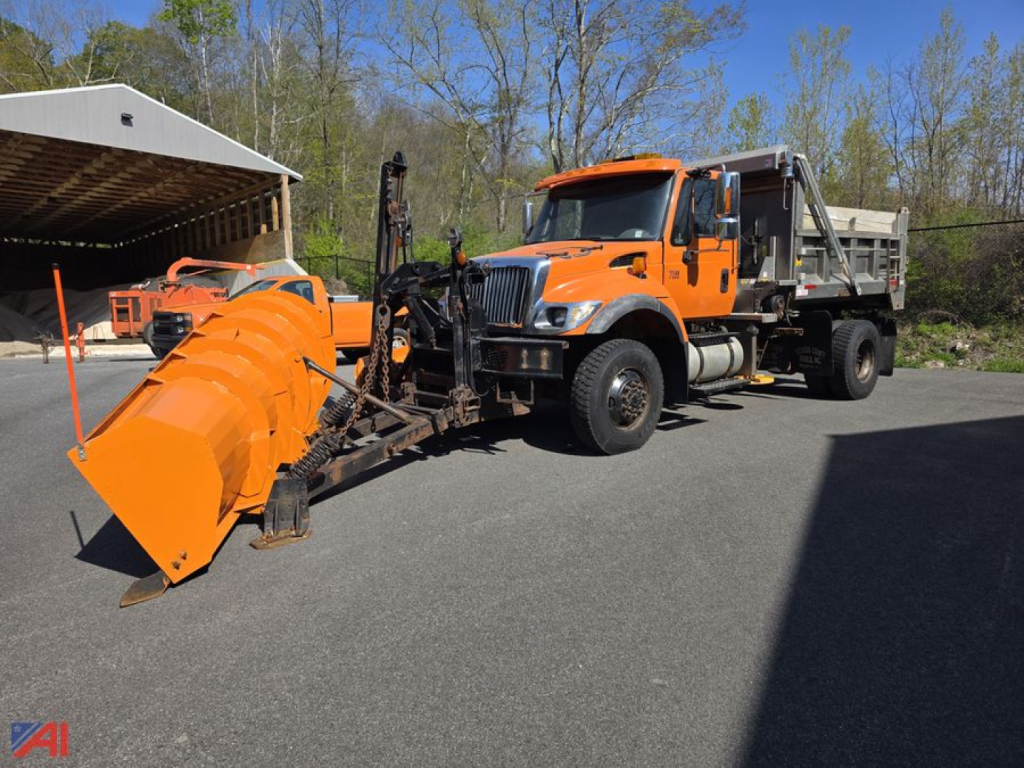
Browse trucks for sale in Millerton, New York, including pickup, flatbed, dump, service, and medium-duty work trucks for municipal and commercial use.
Learn more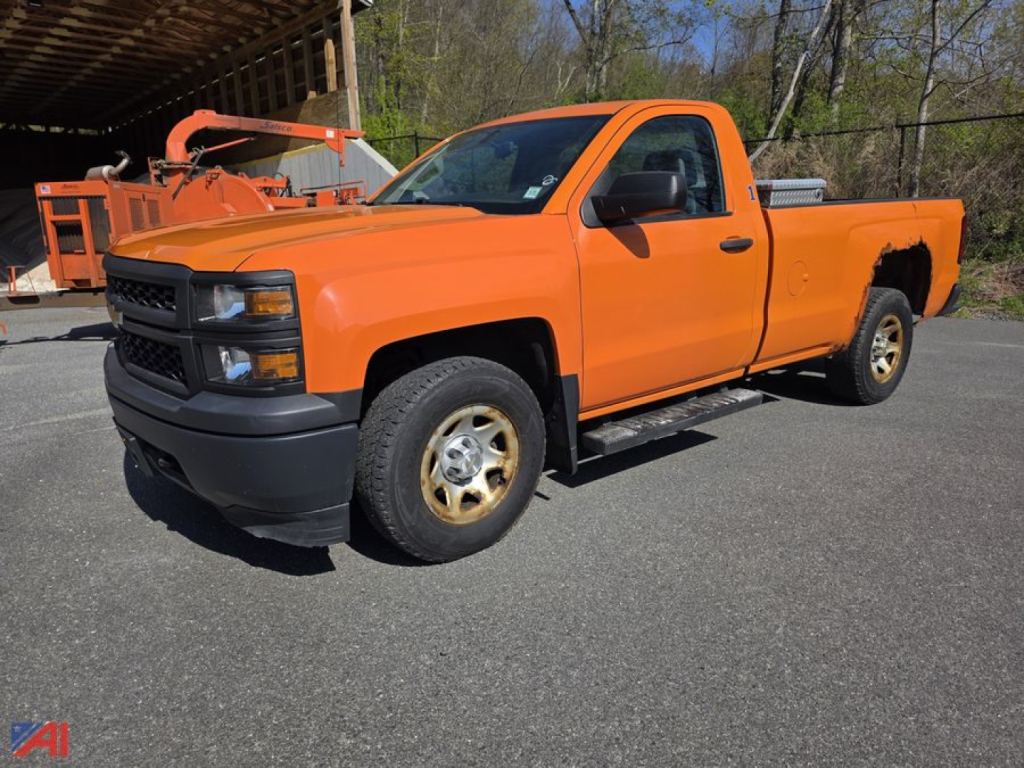

Have truck to sell? List it here to reach thousands of buyers.
About Trucks Near Millerton, New York
For buyers comparing work trucks, the body and equipment package usually matter as much as the chassis. A flatbed truck, also known as a stake body or platform truck in some applications, is a practical choice for palletized material, equipment transport, and jobsite loading with a forklift. Dump trucks add hydraulic hoists, heavier rear suspensions, and often PTO-driven systems for aggregate, debris, and road maintenance work. In New York, plow trucks and trucks with sanders or spreaders are especially relevant, so front frame condition, hydraulic controls, electrical integrity, and corrosion around the cab mounts, frame rails, and spreader connections deserve a close look. Rollback and tow trucks need extra attention on deck operation, winches, wheel-lift function, hydraulic lines, and bed structure.
Powertrain choices depend on the job cycle. Gas engines are common in lighter pickups and lower-mileage local units where lower upfront cost and simpler emissions systems appeal to smaller operators. Diesel engines remain the standard for heavier GVWR classes, frequent towing, and higher annual utilization because of torque, service life, and vocational suitability. Transmission type, rear axle ratio, brake system, and suspension setup all affect how the truck works day to day. A CDL threshold can also be a deciding factor, especially for fleets trying to keep more drivers eligible to operate a truck without moving into a higher licensing class.
Condition evaluation on used trucks should go beyond odometer reading. Engine hours, idle time, PTO hours, rust, prior upfit work, electrical additions, and maintenance history often tell the real story. On municipal and utility trucks, inspect underbody corrosion, plow mounts, wiring splices, hydraulic pump operation, and cab floor integrity. On pickups and lighter chassis, pay attention to frame condition, bed mounts, transfer case operation on 4x4 models, and evidence of overload wear. A good truck in this category is the one whose chassis, body, and duty cycle match the work you need it to do without forcing expensive reconfiguration after purchase.
Frequently Asked Questions
What types of trucks are typically included in a general trucks-for-sale category?
A general trucks category usually includes light-duty pickups, flatbed trucks, dump trucks, service trucks, rollback tow trucks, utility bodies, and medium-duty vocational chassis. Some listings may also include specialty units configured for municipal work, snow removal, roadside service, or equipment hauling. The key difference between listings is not just make and model, but GVWR, axle setup, body style, and how the truck was originally spec'd for its job.
How do I choose the right GVWR for a work truck?
Choose GVWR based on the truck's loaded operating weight, not its empty curb weight. Factor in payload, body weight, tools, material, passengers, fuel, and any trailer tongue weight. Buyers also need to consider CDL thresholds, registration class, and bridge or local road restrictions. A truck with too little capacity will wear out quickly, while a truck with far more capacity than needed may cost more to buy, fuel, and maintain.
What should I inspect first on a used dump, flatbed, or plow truck?
Start with frame condition, corrosion, hydraulic function, PTO operation, and body mounting points. On dump trucks, inspect the hoist, hinge points, floor, and tailgate hardware. On flatbeds, check deck structure, crossmembers, stake pockets, and headache rack integrity. On plow-equipped trucks, look closely at front frame reinforcement, plow mount wear, wiring harnesses, controller operation, and signs of rust around hydraulic components and electrical connections.
Is diesel always better than gas for a used work truck?
Diesel is not automatically better. Diesel engines are usually the better fit for heavier trucks, regular towing, and high annual hours because they deliver strong low-end torque and are commonly paired with heavier driveline components. Gas engines can be a smart choice for lighter-duty service, shorter routes, lower annual mileage, and buyers who want lower initial cost and less complexity in the emissions system. The right choice depends on duty cycle, payload, maintenance capability, and total operating cost.
Why does wheelbase matter when comparing trucks?
Wheelbase affects body fitment, turning radius, ride quality, and weight distribution. A longer wheelbase can improve stability and allow for longer bodies, but it may reduce maneuverability on tight roads, job sites, and municipal routes. A shorter wheelbase is easier to position in confined areas, though it can limit body length and payload balance. For vocational trucks, wheelbase has to match both the body application and the operating environment.