
Used Logging Trucks For Sale
Browse used logging trucks for hauling timber, logs, and forestry loads, including common specs, body styles, axle setups, and applications.
Learn moreBrowse Logging Trucks by Make
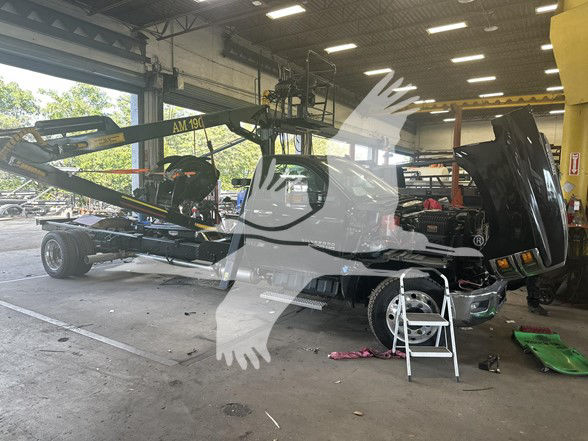
Have used logging truck to sell? List it here to reach thousands of buyers.
About Used Logging Trucks
A typical logging truck is built for high frame stress, uneven terrain, and repeated loading cycles. Common configurations include tandem and tri-axle setups, heavy rear suspensions, locking differentials, double-frame construction, and vocational transmissions geared for low-speed pulling power. Buyers should pay close attention to GVWR, front axle capacity, rears, and frame condition, especially around suspension hangers, hoist or loader mounts, and any areas exposed to twisting on rough haul roads. If the truck includes a grapple or knuckleboom loader, hydraulic system condition matters as much as engine hours. Pump performance, PTO engagement, boom wear, pin and bushing play, stabilizers, and rotator function all affect production in the woods.
Spec details change depending on region and timber product. Some logging trucks are set up as straight trucks with stakes and bunks for shorter hauls, while others are intended to pull pole trailers or full logging trailers for maximum legal payload. Ground clearance, traction, and approach angles matter more in soft landings and steep access roads than they do in mill-to-yard service. Tire size, walking beam or air-ride suspension, axle spread, and gear ratio should match the terrain and the weight you expect to move. On used units, corrosion from mud, bark, and year-round exposure is common, so bunks, bolsters, crossmembers, cab mounts, and electrical protection deserve a close inspection.
A good used logging truck should fit the wood basket, road conditions, and loading method in your operation. Some buyers need a compact grapple truck for yard cleanup, storm debris, or municipal wood handling, while others need a purpose-built timber hauler with heavy-spec driveline components and legal bridge spacing for highway work. Brake condition, cooling system capacity, driveline integrity, and prior vocational use history all matter because logging service is hard on every major component. When the spec is right, a logging truck can deliver strong payload efficiency, dependable off-road mobility, and the durability needed for daily forestry work.
Frequently Asked Questions
What should I look for first when buying a used logging truck?
Start with the truck's intended application: self-loading, haul-only, short-wood, tree-length, or debris handling. Then verify axle ratings, frame condition, suspension type, and driveline spec. On a used logging truck, signs of frame cracking, repaired crossmembers, loader mount stress, hydraulic leaks, and excessive wear in pins, bushings, and suspension components are more important than cosmetic appearance. A truck that is correctly spec'd for your terrain and payload will usually outperform a cleaner unit with the wrong wheelbase, gearing, or axle setup.
What is the difference between a logging truck and a grapple truck?
A logging truck is a broad category that includes trucks built to transport timber and forestry material. A grapple truck is one type within that category, usually equipped with a hydraulic boom and grapple for self-loading logs, slash, brush, or wood waste. Some logging trucks are strictly haulers and rely on separate loading equipment, while grapple trucks trade some payload capacity for loading independence and faster jobsite handling.
Which axle configuration is best for a logging truck?
The best axle configuration depends on legal weight limits, terrain, and trailer use. Tandem-axle trucks are common for lighter regional work and tighter access roads, while tri-axle or heavier vocational setups can support greater payload and better weight distribution. For rough forestry roads, buyers often prioritize traction aids, suspension durability, and proper axle ratings over simply adding more axles. The right setup is the one that stays legal, carries the intended wood product efficiently, and holds up under repeated off-road stress.
Are air-ride suspensions good for logging trucks?
Air-ride can work well in certain logging applications, especially where the truck sees more highway miles and the operator wants better ride quality and load protection. In rough off-road service, many buyers still prefer mechanical or heavy vocational suspensions such as walking beam designs because of their durability and stability on uneven ground. Suspension choice should be based on haul road conditions, maintenance tolerance, and how much of the truck's time is spent in the woods versus on pavement.
How important is the hydraulic system on a used logging or grapple truck?
It is critical if the truck has a loader, grapple, or other self-loading equipment. Hydraulic pump output, PTO operation, valve response, hose condition, cylinder leakage, and boom function directly affect cycle time and uptime. Weak hydraulics can turn a productive truck into a slow one very quickly. On a used unit, a thorough functional test under load is one of the most important parts of the inspection.