
Trucks For Sale Near Ilion, New York
Browse trucks for sale in Ilion, New York, including dump, vocational, and highway models with the specs buyers compare most.
Learn more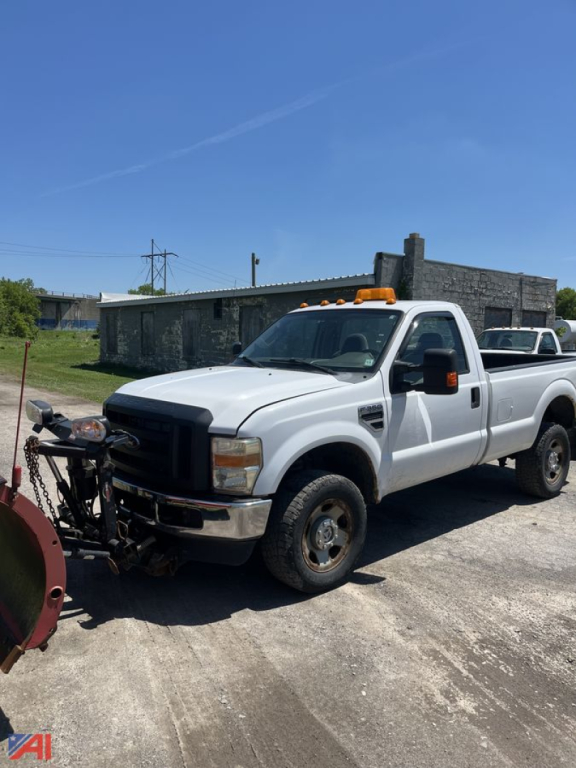
Have truck to sell? List it here to reach thousands of buyers.
About Trucks Near Ilion, New York
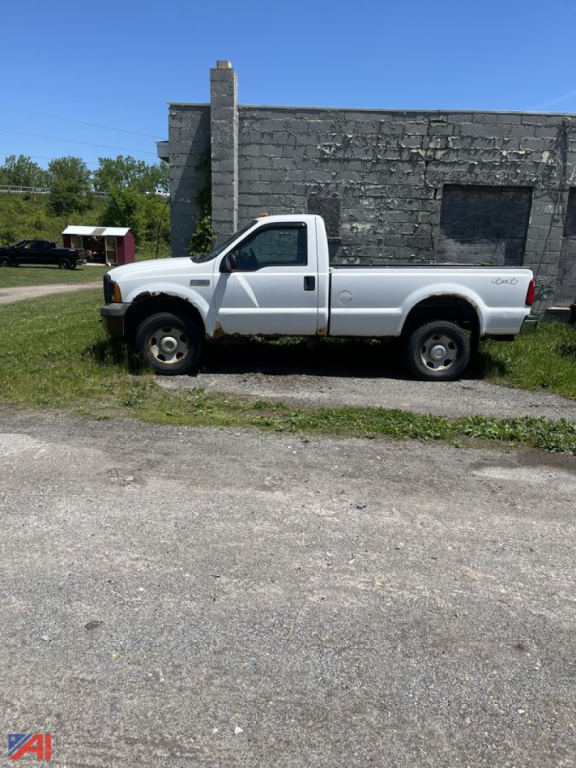
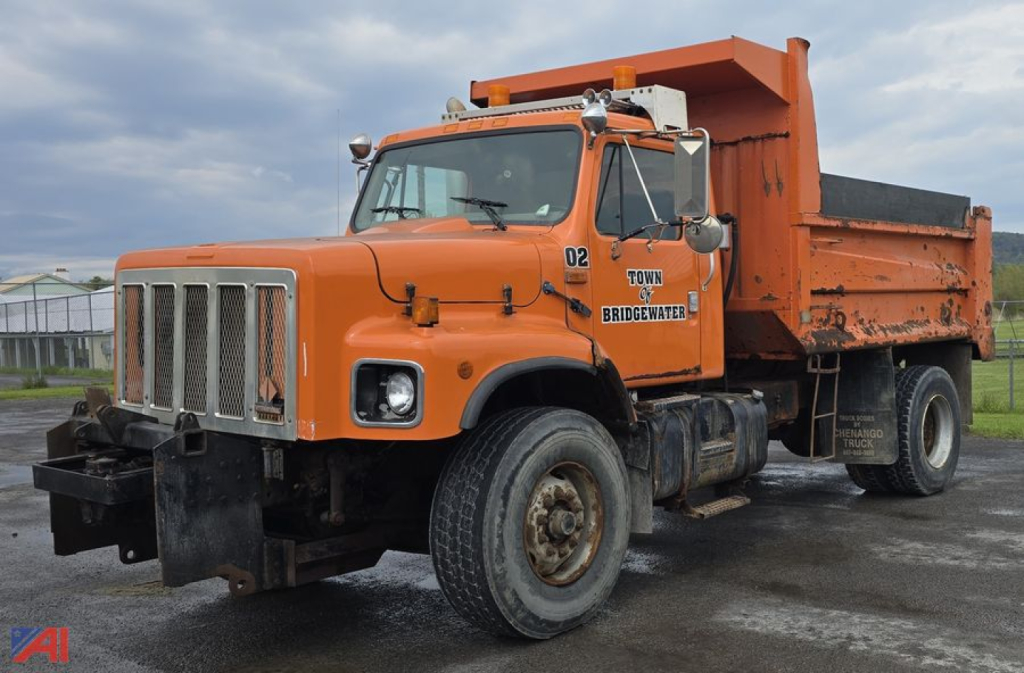
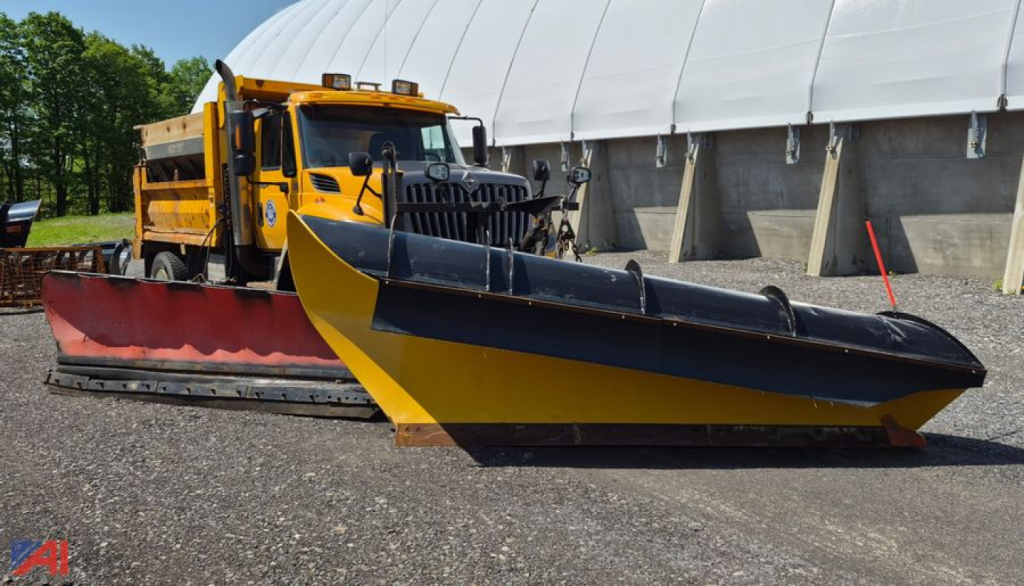
Vocational trucks deserve especially close attention because the chassis spec determines how well the truck fits the job. A dump truck or plow truck, for example, may include heavy front axle ratings, double-frame construction, PTO provisions, locking differentials, and hydraulic setups for hoists, wings, or spreaders. Common configurations include 4x2, 6x4, and tandem axle layouts, with diesel engines from major OEMs paired to manual, automated manual, or fully automatic transmissions. If the truck has been used in municipal or winter maintenance work, inspect the frame, crossmembers, electrical connections, hydraulic lines, and cab floors for rust, patch repairs, and wear from seasonal salt exposure.
For on-road and regional hauling, buyers usually compare sleeper versus day cab layouts, fuel capacity, suspension type, brake configuration, and emissions system history. Older trucks may appeal for mechanical simplicity, while newer models can offer better safety systems, improved fuel economy, and easier fleet standardization. Front axle set-back or set-forward design, turning radius, and bridge-law considerations also affect usability, especially for local routes, jobsite access, or mixed highway and secondary-road service. A well-matched truck is less about badge loyalty and more about having the right spec for payload, terrain, annual miles, and maintenance capacity.
Condition should always be judged as a package. Review service records, engine diagnostics, tire wear patterns, brake life, suspension condition, and evidence of frame damage or hard vocational use. For trucks with specialty equipment such as plows, sanders, lift axles, wet kits, or PTO-driven systems, verify that every component operates correctly and that replacement parts remain readily available. Buyers sorting through truck listings in Ilion should focus on application fit first, then total operating cost, because the right truck on paper is the one that stays productive in the field.
Frequently Asked Questions
What should I look for first when comparing trucks for sale?
Start with the truck's intended application, then verify the core chassis specs that support that job. Key items include GVWR or GCWR, axle configuration, engine rating, transmission type, wheelbase, suspension, brake setup, and any body or PTO requirements. A truck that is slightly older but correctly spec'd for the work is usually a better buy than a newer unit with the wrong axle ratings, frame, or gearing.
Are vocational trucks different from highway trucks in ways that matter to buyers?
Yes. Vocational trucks are built around jobsite durability and auxiliary equipment needs, so they often have heavier frames, higher front axle capacities, PTO capability, locking differentials, severe-duty suspensions, and specialized hydraulic or electrical systems. Highway trucks are usually optimized for fuel economy, ride quality, and long-haul efficiency. Buyers should confirm that a vocational truck's upfit and chassis were designed to work together, especially on dump, plow, and municipal units.
Why is rust and corrosion such an important issue on trucks in New York?
Trucks operated in New York, especially in winter service or municipal work, are exposed to road salt, moisture, and freeze-thaw cycles that accelerate corrosion. Rust can affect frames, cab mounts, brake lines, wiring, hydraulic components, spreader controls, and attachment points for plows or bodies. Surface rust is common, but scale, perforation, and structural repairs deserve close inspection because they can directly affect safety, maintenance cost, and remaining service life.
What matters most on a used dump or plow truck?
On a used dump or plow truck, buyers should pay close attention to front axle capacity, frame condition, hydraulic performance, PTO operation, body integrity, and evidence of hard seasonal use. Check the plow mount, wing hardware, hoist, sander or spreader system, and all electrical controls. It is also important to inspect transmission behavior, differential function, and cooling system performance, since these trucks often work under heavy load at low speeds.
Is mileage enough to judge the condition of a used truck?
No. Mileage is only one data point. Idle time, engine hours, maintenance history, duty cycle, load profile, and environmental exposure can be just as important. A lower-mile truck that spent years in severe-duty stop-and-go or snow-service work may show more wear than a higher-mile truck that ran steady highway routes and received consistent maintenance.