
New Ram Hot Shot Trucks For Sale in Florida
Shop new Ram hot shot trucks for sale in Florida. Compare Ram 5500 diesel chassis, gooseneck setups, payload-focused upfits, and work-ready specs.
Learn more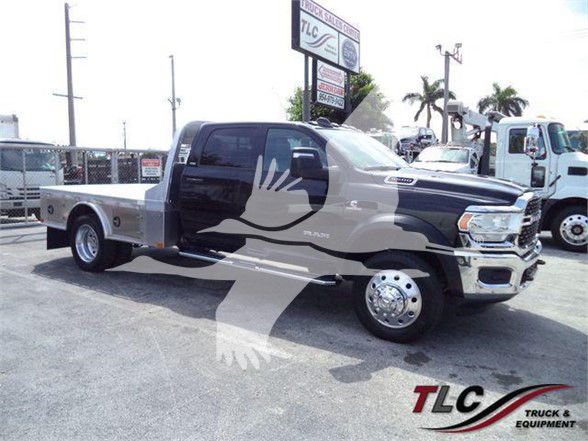
Have new ram hot shot truck to sell? List it here to reach thousands of buyers.
About New Ram Hot Shot Trucks in Florida
Ram hot shot trucks are closely associated with the 6.7L Cummins diesel, which remains a key reason many owner-operators shop this segment. The engine is well known for low-end torque and compatibility with long towing cycles, especially when paired with the AISIN transmission on heavier configurations. On a new Ram 5500, 4x4 is common for buyers who need traction at job sites, auction lots, ranch entrances, or wet Florida yards, but 4x2 can make sense when payload, simplicity, and purchase cost matter more than off-pavement capability. Crew cabs are popular because they give operators more interior room for tools, paperwork, and occasional passengers, though regular cab and smaller cab layouts can still be a smart choice when body length and weight control are the priority.
The upfit matters as much as the truck itself. A proper hot shot body is usually an aluminum or steel hauler-style bed designed around gooseneck towing, with frame strength, crossmember spacing, rear corner taper, and hitch integration all affecting durability and turning clearance. Buyers should verify the gooseneck hitch rating, rear receiver rating, electrical connections, toolbox layout, and whether the body dimensions match the chassis correctly. Details like flush-mounted toolboxes, LED lighting, full-width rear skirts, and angled fuel fill are not cosmetic extras. They affect daily usability, legal compliance, and downtime. If the truck will be paired with a 30-plus-5 trailer or similar commercial hot shot trailer, confirm that the truck’s GVWR, rear GAWR, tire capacity, and wheel setup support the real loaded combination, not just an empty trailer rating.
For Florida operations, cooling performance, corrosion resistance, and highway manners deserve extra attention. Aluminum bed construction can be attractive in coastal environments because it helps manage weight and resist corrosion. Buyers running I-10, I-75, the Turnpike, or mixed port and construction freight should also consider fuel tank range, ride quality under load, and how the truck will be registered for commercial use. A new Ram hot shot truck is best evaluated as a complete working package: chassis, powertrain, wheelbase, body, hitch system, and intended trailer. When those pieces are matched correctly, a Ram hot shot setup can serve expedited freight, equipment transport, agricultural hauling, and general gooseneck work with less compromise and better long-term uptime.
Frequently Asked Questions
What makes a Ram 5500 a common choice for hot shot trucking?
The Ram 5500 is popular in hot shot applications because it offers a heavier-duty chassis, higher GVWR and axle ratings than lighter pickups, and strong compatibility with commercial hauler beds and gooseneck hitch systems. It gives buyers a better platform for repeated trailer towing, cargo weight management, and body upfitting. For many operators, it fills the gap between a one-ton pickup and a medium-duty truck while still keeping pickup-based serviceability and driver familiarity.
Should I choose 4x4 or 4x2 on a new Ram hot shot truck in Florida?
That depends on how the truck will actually be used. A 4x4 setup adds traction for muddy yards, rural properties, construction entrances, and wet surfaces, which can matter in Florida during heavy rain or on unimproved ground. A 4x2 truck usually offers lower purchase cost, less weight, and potentially better payload efficiency. If the truck will spend most of its time on pavement with predictable loading conditions, 4x2 may be enough. If it will regularly back trailers into soft ground or work off-road, 4x4 is usually worth the tradeoff.
What should I look for in the bed and hitch setup on a Ram hot shot truck?
The key items are hitch rating, body construction, storage layout, and chassis fitment. A true hot shot or hauler body should be designed for cab-and-chassis dimensions and commercial towing loads. Confirm the gooseneck hitch rating, rear receiver rating, wiring plugs, rub rail and stake pocket design, and whether the bed includes a headache rack and secure tool storage. Buyers should also look at turning clearance, rear taper, floor material, and overall body weight because these details affect trailer compatibility, payload, and daily durability.
Is the 6.7L Cummins diesel the right engine for hot shot use?
For most buyers in this category, yes. The 6.7L Cummins is a major reason Ram remains competitive in the hot shot market because it delivers strong torque at lower rpm and is built for towing-focused duty cycles. It is especially attractive for operators running gooseneck trailers over long distances or through mixed traffic and highway conditions. The engine should still be evaluated as part of the full truck specification, including transmission choice, axle ratio, cooling package, and emissions-system maintenance expectations.
How do I know if a new Ram hot shot truck is matched correctly to my trailer?
Start with the truck’s GVWR, rear axle rating, wheel and tire capacity, and published towing limits, then compare those numbers to the trailer’s empty weight, loaded weight, kingpin or tongue load, and cargo profile. The gooseneck hitch rating and bed design must also support the intended use. Many trucks look capable on paper but become marginal when real freight, tool weight, and trailer pin weight are added. A properly matched setup should have capacity margin in the axle, tire, and hitch system, not just enough rating to move an empty trailer.