
New Hot Shot Trucks For Sale
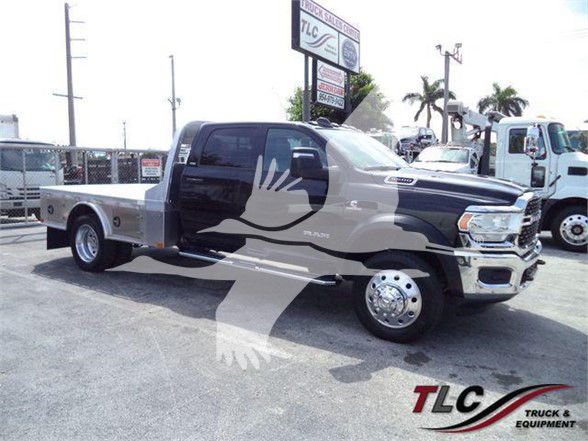
New hot shot trucks for sale, including diesel 4500-5500 chassis with hauler beds, gooseneck hitches, towing-focused upfits, and 4x4 options.
Learn more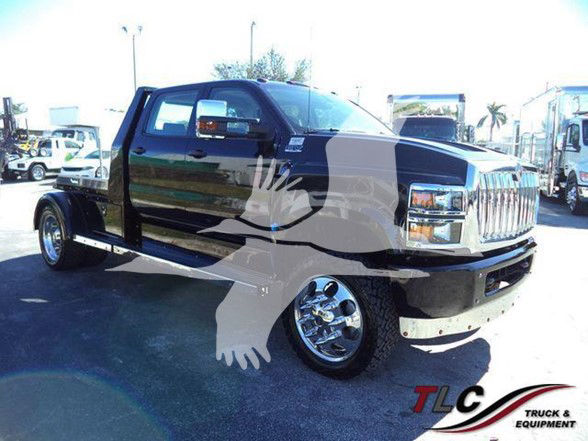
Have new hot shot truck to sell? List it here to reach thousands of buyers.
About New Hot Shot Trucks
The bed package matters as much as the chassis. Most hot shot trucks use a hauler bed, flatbed, or platform body with an integrated gooseneck ball, rear receiver hitch, trailer plug connections, rub rails, stake pockets, headache rack, and lockable toolboxes. Aluminum bodies are popular because they reduce curb weight and resist corrosion, while steel substructures are still common where buyers want a tougher foundation under frequent trailer use. Practical details like rear corner taper, bed height, deck width, full fenders, LED work lighting, and easy-access steps make a difference when coupling trailers several times a day. A well-matched upfit should support the trailer type you actually pull, not just advertise a high hitch rating.
For towing applications, drivetrain and chassis setup are critical. New hot shot trucks in this class often come with diesel engines such as the Cummins 6.7L or Duramax 6.6L, paired with automatic transmissions and spring suspension. Four-wheel drive is common for operators who load on gravel, oilfield leases, farms, or undeveloped jobsites, while two-wheel drive can offer a lower purchase price and slightly better payload in some specs. Wheelbase, turning radius, fuel tank placement, and brake controller integration all affect day-to-day usability. If the truck will spend most of its time under a loaded gooseneck, pay close attention to rear suspension stability, exhaust brake performance, and available cooling capacity.
A new hot shot truck is usually chosen by buyers who want a clean maintenance baseline, current emissions equipment, and a body already configured for commercial trailer work. It can also be called a gooseneck hauler, hauler bed truck, or hotshot pickup chassis, depending on the region and upfit style. The best spec is the one that lines up with the trailer's loaded weight, tongue weight, length, and the operating environment. Buyers comparing listings should verify hitch ratings, GVWR, GAWR, body construction, drivetrain, and cab configuration before focusing on appearance or trim level. In this category, the truck that tows confidently, scales legally, and fits the workday is the right truck.
Frequently Asked Questions
What is a hot shot truck?
A hot shot truck is a medium-duty pickup-based truck, usually in the 4500 to 5500 class, equipped to tow gooseneck or bumper-pull trailers for expedited freight, equipment, vehicles, and jobsite loads. Most use a hauler bed or flatbed upfit with integrated hitch hardware, trailer wiring, storage, and towing-focused chassis components. Compared with a standard pickup, a hot shot truck is built for higher trailer weights, better durability under constant towing, and easier commercial upfitting.
What should I look at first when buying a new hot shot truck?
Start with the truck's GVWR, front and rear GAWR, hitch ratings, cab-to-axle measurement, and the actual bed or hauler-body configuration. Those specs determine trailer compatibility and legal operating limits more than trim level or brand preference. After that, review drivetrain details such as engine, transmission, 4x4 or 4x2, axle ratio, and suspension, then confirm the upfit includes the features you need like toolboxes, headache rack, electrical plugs, and brake controller support.
Are aluminum hot shot beds better than steel beds?
Aluminum hot shot beds are popular because they save weight and resist rust, which can improve payload margin and lower corrosion concerns over time. Steel beds and steel substructures can still be a strong choice for severe-duty use where impact resistance and repair familiarity matter more than weight savings. The better option depends on how the truck will be used, how important curb weight is to your operation, and whether the body design has the storage, rail, and hitch layout your trailers require.
Is 4x4 worth it on a new hot shot truck?
4x4 is worth serious consideration if the truck regularly works on gravel, mud, snow, fields, construction entrances, oilfield roads, or undeveloped customer sites. It improves traction during trailer hookup and while pulling heavy loads from uneven ground. If the truck runs mostly paved highways and established yards, a 4x2 setup may reduce cost and complexity while sometimes preserving a little payload capacity. The decision should be based on actual operating conditions, not just preference.
What body and hitch features are most useful on a hot shot truck?
The most useful features are the ones that support fast, repeatable trailer hookups and secure load control. Buyers usually prioritize a rated gooseneck hitch, rear receiver hitch, 7-way trailer plug, integrated toolboxes, headache rack, rub rails, stake pockets, full fenders, work lights, and step access. Bed width, rear corner taper, and deck height also matter because they affect turning clearance, loading convenience, and how easily the truck works with different trailer neck designs.