
Trucks For Sale Near Hampton Bays, New York
Browse trucks for sale in Hampton Bays, NY, including dump, utility, pickup, cargo, and vocational trucks for municipal and commercial use.
Learn more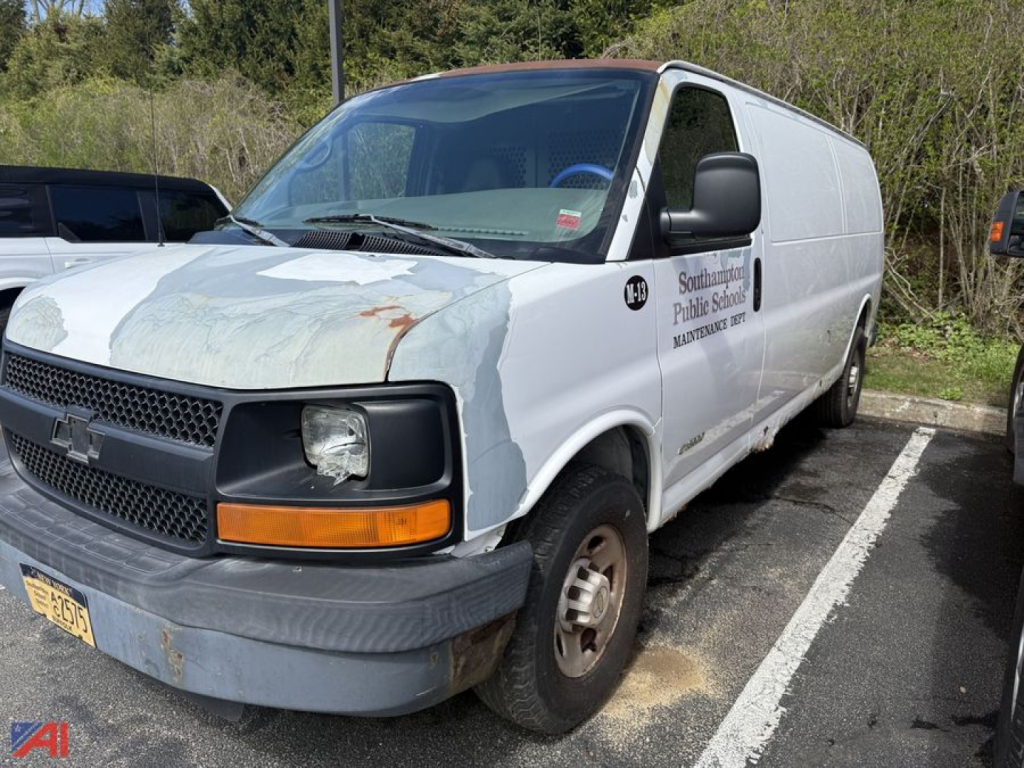
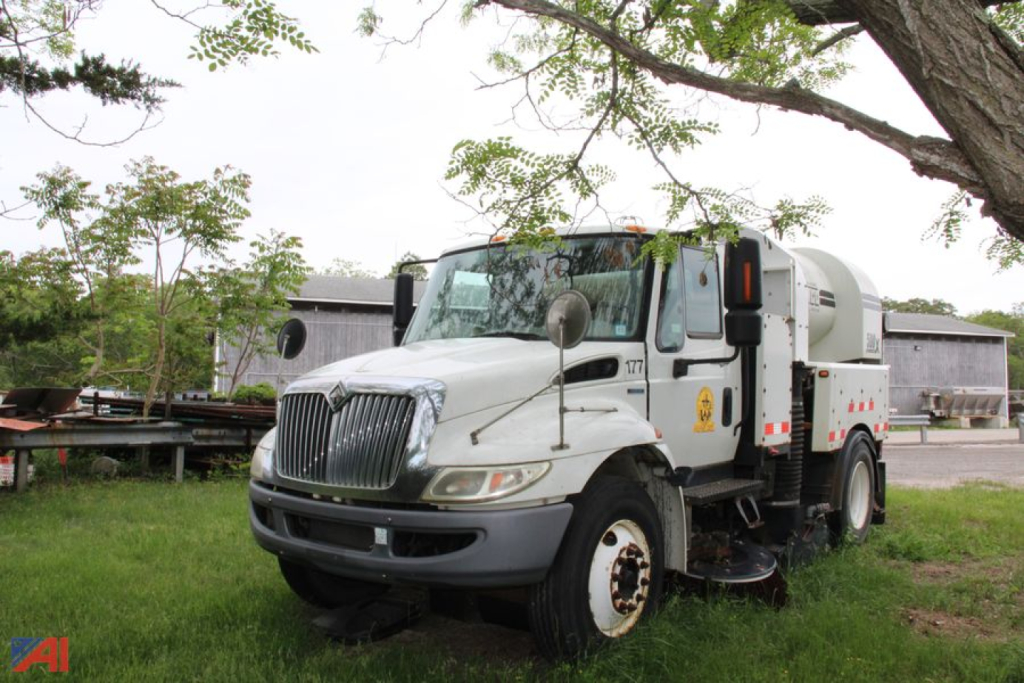
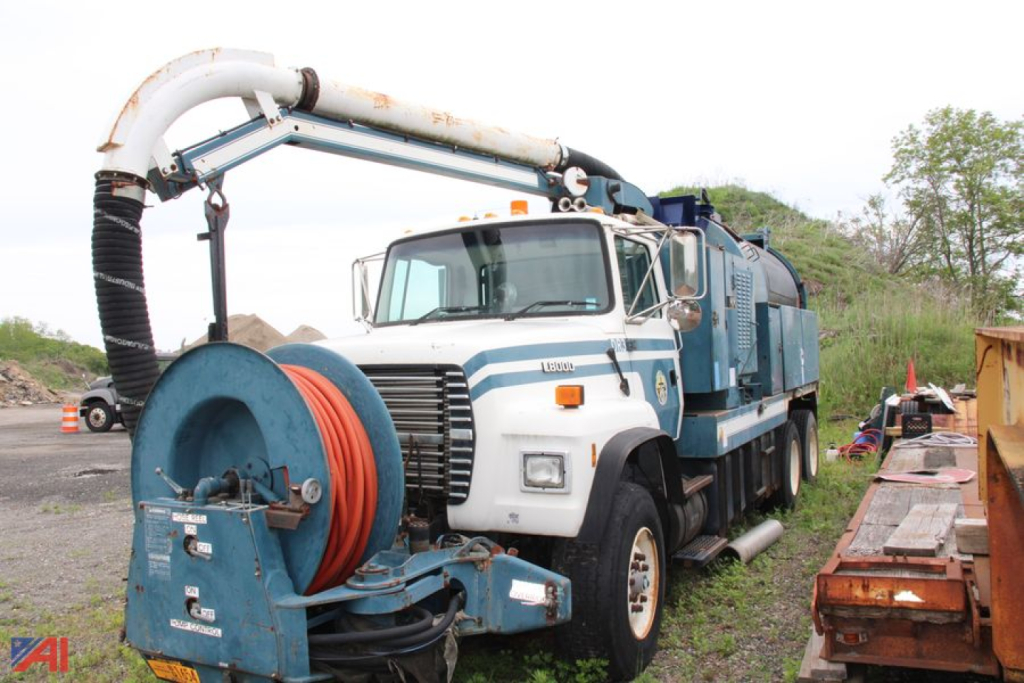
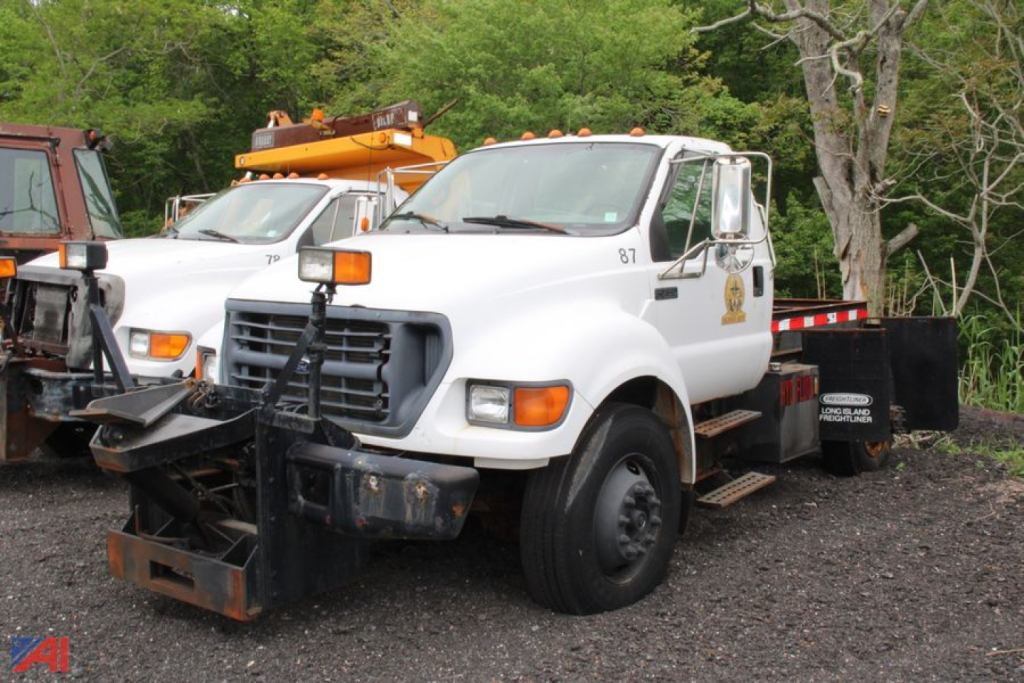
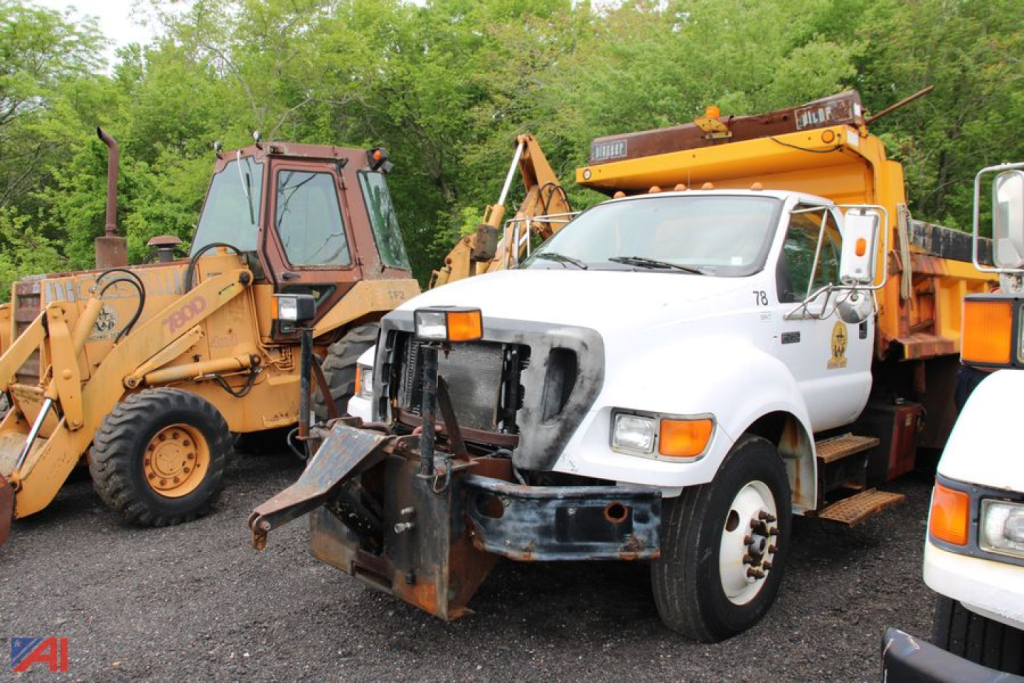

Have truck to sell? List it here to reach thousands of buyers.
About Trucks Near Hampton Bays, New York
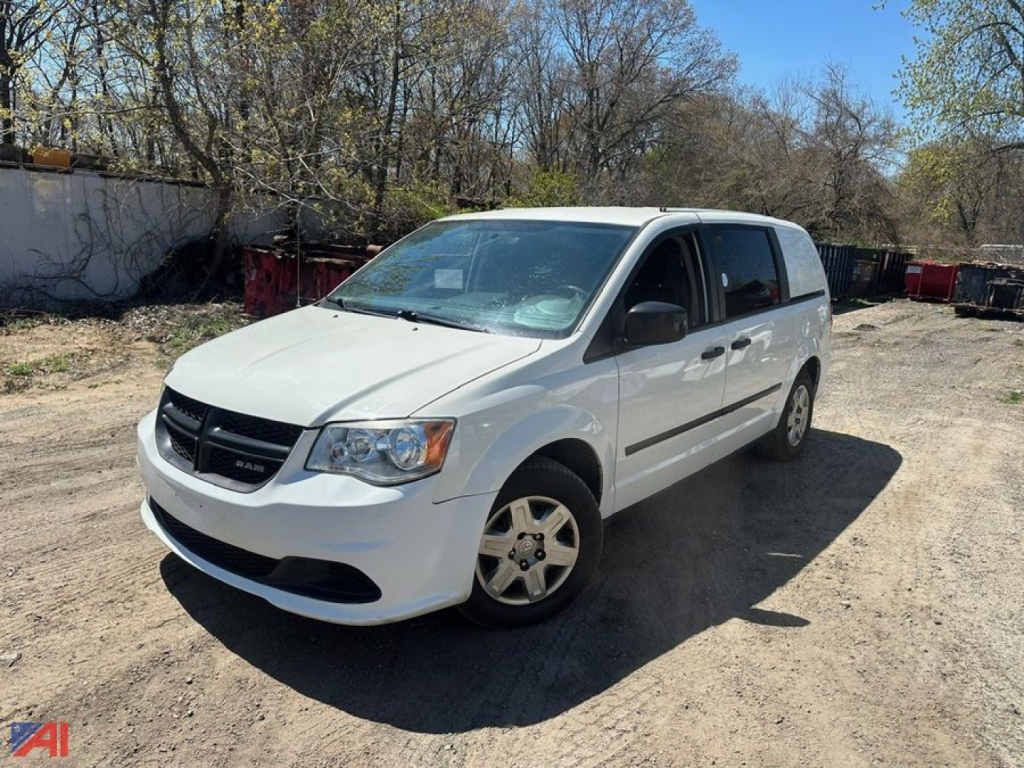
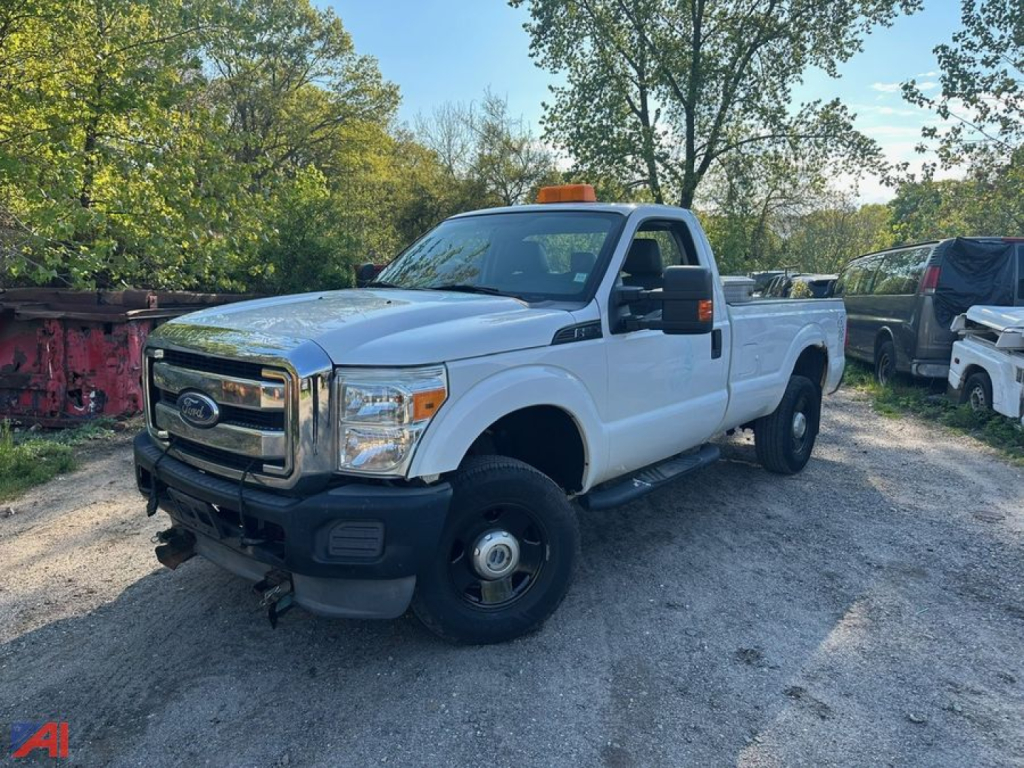
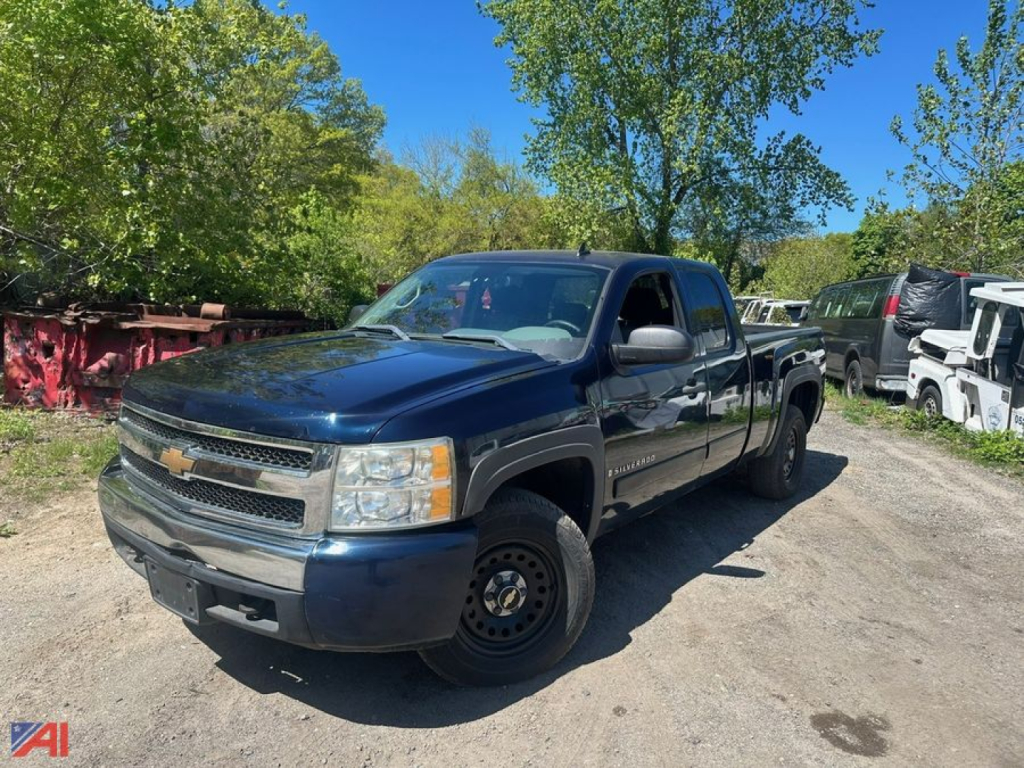
For lighter commercial work, buyers typically compare pickup trucks, cargo vans, and utility bodies based on payload, storage layout, towing capacity, and wheelbase. A service truck or utility truck is built around external compartments, ladder rack options, and jobsite access for tools and parts. A cube van, also known as a box truck or cutaway van in some configurations, is more focused on enclosed cargo volume, rear roll-up access, and urban delivery maneuverability. In this range, gas vs. diesel, two-wheel drive vs. four-wheel drive, and regular cab vs. extended or crew cab can have a bigger effect on day-to-day usefulness than raw horsepower alone.
Medium-duty and vocational trucks require a closer look at frame strength, suspension, brake type, PTO setup, and body equipment. A dump truck buyer should pay attention to hoist condition, floor and side wear, tailgate operation, and whether the truck is sized for asphalt, landscape material, snow work, or general construction. A vacuum truck adds another layer of evaluation, including tank condition, pump hours, hose handling setup, and application type such as sewer maintenance, catch basin cleaning, or liquid waste service. On used trucks, corrosion, hydraulic leaks, idle hours, and signs of municipal stop-and-go use matter as much as odometer mileage.
For Long Island operators, local operating conditions can influence the right spec. Narrow roads, seasonal weather, salt exposure, and short-route duty cycles all affect truck selection and long-term maintenance costs. Buyers should verify axle ratings, registration class, emissions equipment, tire condition, and service history, then confirm the body and chassis are matched correctly for the work. A truck that looks similar on paper can perform very differently depending on rear axle ratio, transmission, wheelbase, and whether it was originally ordered for highway miles, municipal fleet duty, or dedicated vocational work.
Frequently Asked Questions
What should I look at first when comparing used trucks for sale?
Start with the application, then confirm the truck’s GVWR, body type, axle setup, and powertrain match that work. A pickup, cube van, utility truck, dump truck, and vac truck may all appear on the same search page, but they are built for very different duty cycles. After that, review service records, frame condition, rust exposure, PTO operation if equipped, tire wear, brake condition, and any signs the truck spent its life in heavy stop-and-go municipal service.
How do I choose between a pickup, utility truck, and cargo or cube van?
A pickup truck is usually the best fit when towing, off-pavement traction, and open-bed flexibility matter most. A utility truck is better when the job requires organized exterior storage, lockable compartments, and on-site service access for tools and parts. A cargo van or cube van is the stronger choice when enclosed dry freight space, parcel delivery, or protected equipment transport is the priority. The right choice comes down to payload, storage needs, crew size, and how often the truck works in tight urban areas.
What matters most on a used dump truck?
The body and hydraulic system deserve close inspection. Check the hoist for smooth operation, look for rust-through or patchwork in the floor and side panels, inspect hinge points and tailgate hardware, and confirm the PTO engages properly. Buyers should also verify spring or suspension capacity, brake condition, tire size, and whether the truck’s wheelbase and axle ratings are appropriate for the material being hauled. A dump truck used for salt or snow service may show accelerated corrosion even if mileage is relatively low.
What should I inspect on a used vacuum truck?
A used vac truck should be evaluated as both a truck and a working piece of equipment. Inspect tank condition, pump performance, hose reels or boom setup, valves, seals, and any evidence of internal corrosion or product contamination. Ask how the truck was used, because sewer cleaning, catch basin work, and liquid waste applications can place very different demands on the tank and vacuum system. Engine condition, PTO operation, hydraulic components, and overall chassis integrity are just as important as the vacuum equipment itself.
Why do municipal or fleet-owned trucks need a different kind of evaluation?
Fleet and municipal trucks are often maintained on schedule, which is a positive, but they may also accumulate high idle time, frequent short trips, and heavy stop-and-go use. That pattern can affect engine wear, emissions components, brakes, and hydraulic systems differently than highway use. Buyers should look beyond mileage and check hour meters if available, review maintenance logs, inspect for rust from winter road treatment, and verify that any specialized body equipment still operates correctly under load.