
Trucks For Sale Near Hamilton, Mississippi
Browse trucks for sale in Hamilton, Mississippi, including day cabs and vocational specs with key details on axles, engines, and applications.
Learn more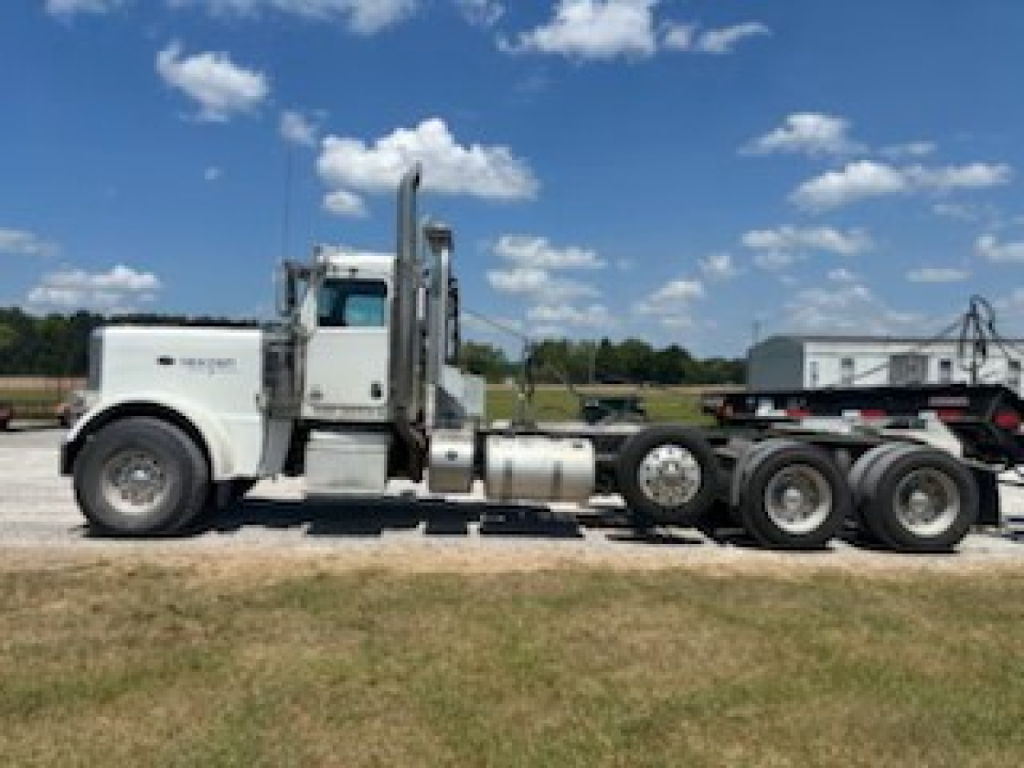
Have truck to sell? List it here to reach thousands of buyers.
About Trucks Near Hamilton, Mississippi
A day cab is one of the most common truck configurations in this market, especially for local and regional work where sleeper space is unnecessary. Buyers comparing day cab trucks for sale should pay close attention to engine horsepower, torque, transmission type, rear axle ratio, and gross vehicle weight rating. A truck with a steerable pusher or lift axle can be a strong fit for operations that need added legal payload capacity without giving up maneuverability. Low-mileage examples can be attractive, but miles alone do not tell the whole story. Service records, idle hours, drivetrain spec, brake condition, and tire wear often say more about remaining life than the odometer by itself.
Regional conditions in northeast Mississippi also matter. Trucks working in agriculture, aggregates, logging support, or short-haul industrial lanes often benefit from heavier front axles, locking differentials, and durable suspensions that handle uneven surfaces and repeated starts and stops. For on-road freight, buyers may lean toward aerodynamic specs, automated manual transmissions, and fuel-efficient rear ratios. Cab layout, visibility, and turning radius are also important if the truck will spend time in tight yards, job sites, or delivery points. If the truck is intended for trailer work, check fifth wheel placement, frame condition, and kingpin compatibility to make sure the tractor matches the trailers already in service.
The broad trucks for sale category covers a wide range of makes and models, so the best comparison process is spec-by-spec. Look at axle ratings, frame dimensions, engine family, emissions system history, and any installed equipment that affects usable payload or maintenance cost. Premium conventional models such as the Peterbilt 389 are often chosen for heavy-duty day cab applications because they offer strong vocational presence, durable chassis options, and driveline combinations suited to demanding local work. A well-matched truck will do more than move freight. It will fit the route, meet weight targets, and hold operating costs in line over the long term.
Frequently Asked Questions
What should I look for first when comparing trucks for sale?
Start with the job the truck needs to perform. Axle configuration, GVWR, wheelbase, horsepower, torque, and transmission type should match the payload, terrain, and trailer or body setup. After that, review maintenance records, engine hours, suspension condition, brakes, tires, and any PTO or hydraulic equipment. A truck that is correctly spec'd for the work usually delivers better uptime and lower operating cost than one chosen mainly by appearance or brand.
Why does axle configuration matter so much on a truck?
Axle configuration directly affects legal payload, maneuverability, tire wear, bridge compliance, and intended use. A single-axle truck may be ideal for lighter regional or municipal work, while tandem and tri-axle trucks are better suited for heavier hauling. A pusher or tag axle can increase capacity, and a steerable pusher can help reduce scrub in tight turns. Buyers should compare axle ratings and spacing carefully because they influence both revenue potential and operating restrictions.
Is a day cab a good choice for local hauling in Mississippi?
A day cab is often the right choice for local and short regional operations where the driver returns daily and sleeper space is not needed. Day cabs generally offer lower curb weight, easier maneuvering, and simpler packaging for vocational or fleet applications. They are commonly used for dump, flatbed, tanker, hopper, and local trailer work. In Mississippi routes that involve short hauls, plant-to-plant moves, or construction support, a day cab can be a very practical configuration.
How important are mileage and engine hours on a used truck?
Both are important, but neither should be viewed alone. Mileage helps estimate chassis and driveline use, while engine hours can reveal how much idle time the truck has accumulated. A lower-mile truck with excessive idle hours may have more wear than expected in the engine and emissions system. The strongest evaluation includes miles, hours, maintenance history, ECM data when available, and a close inspection of the clutch, transmission, suspension, brakes, and aftertreatment components.