
Trucks For Sale Near Greenwood Lake, New York
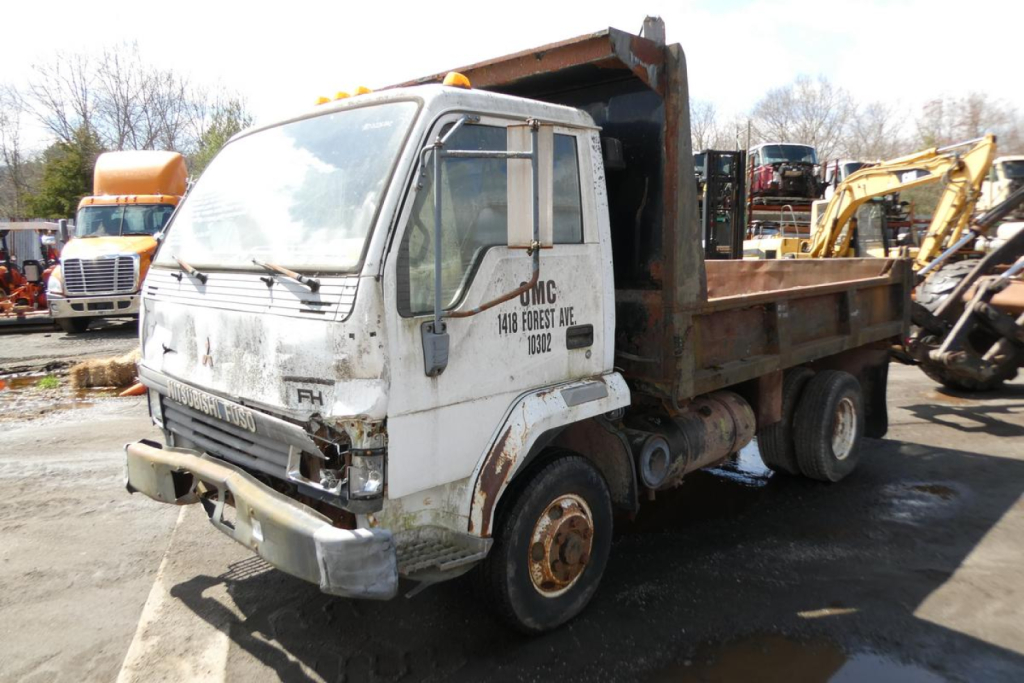
Browse trucks for sale in Greenwood Lake, New York including day cabs, medium-duty straight trucks, and vocational truck setups.
Learn more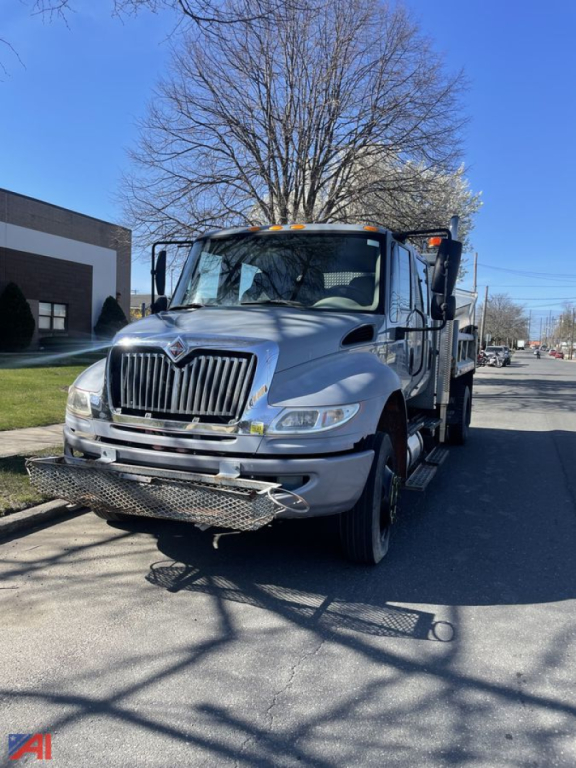
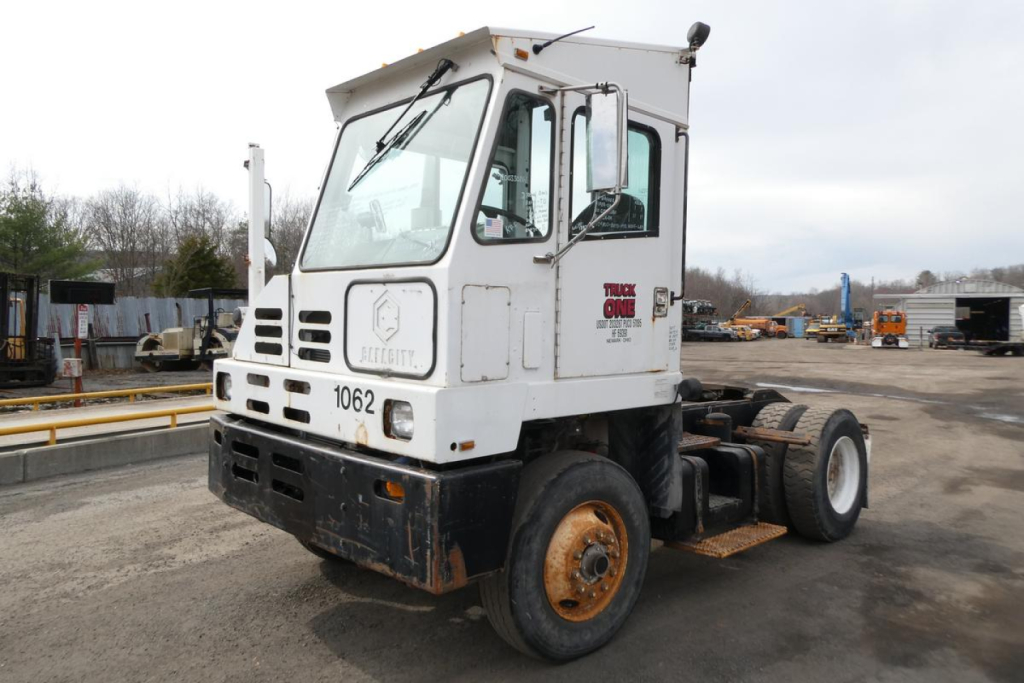
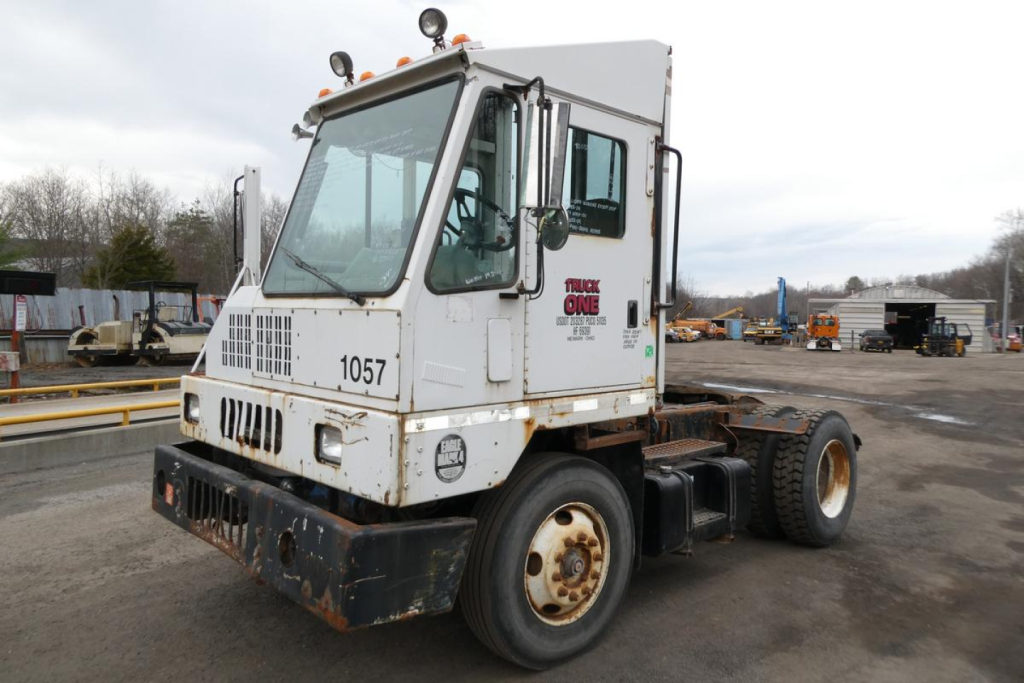
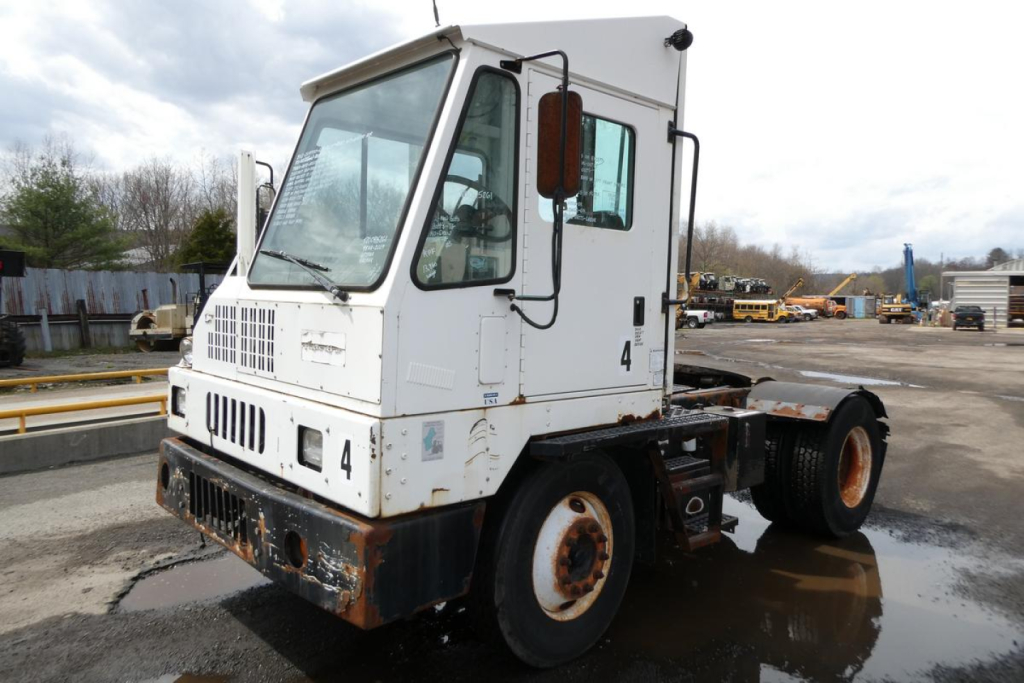
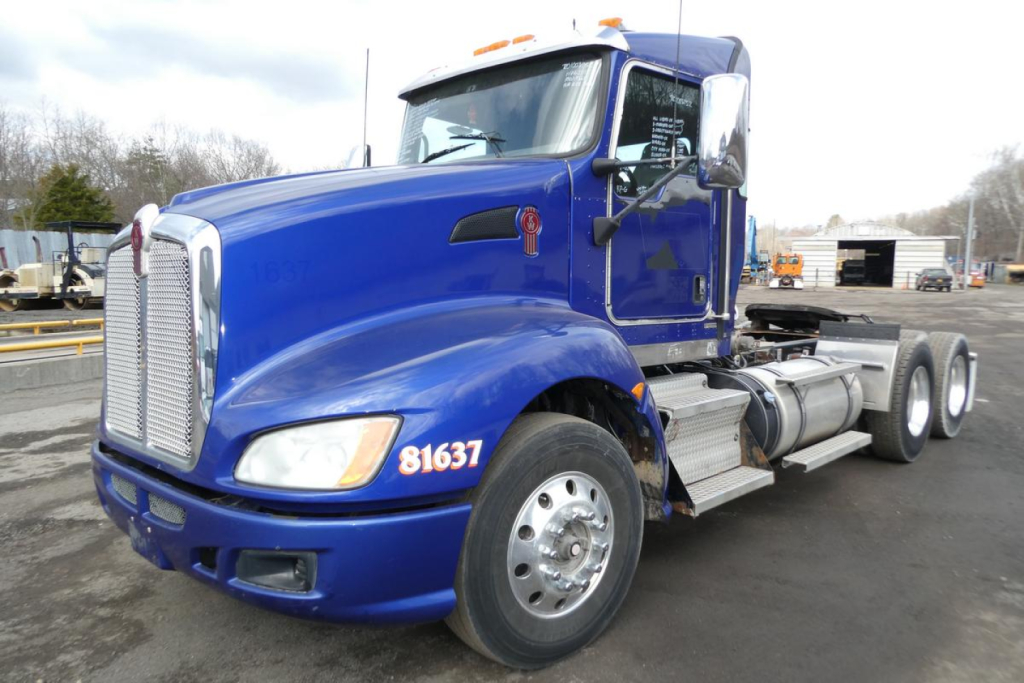
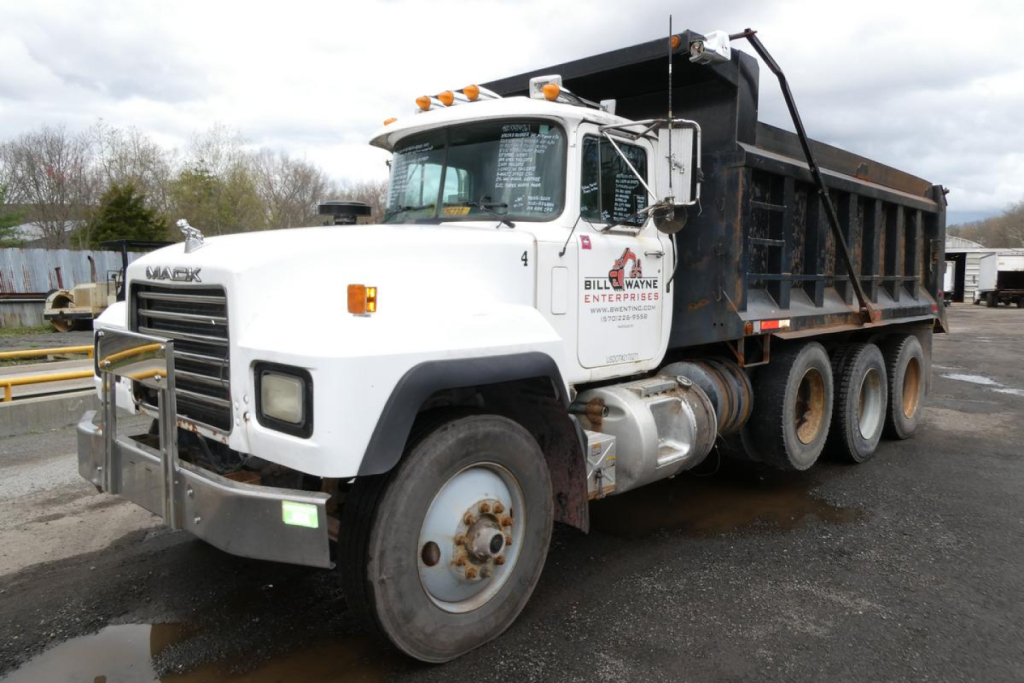
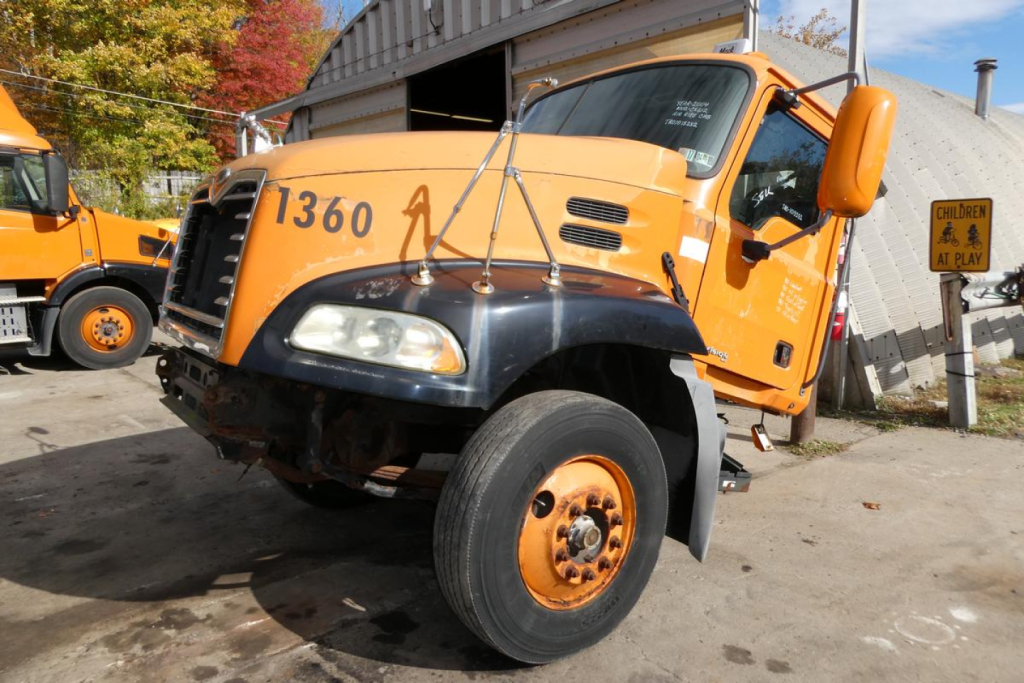
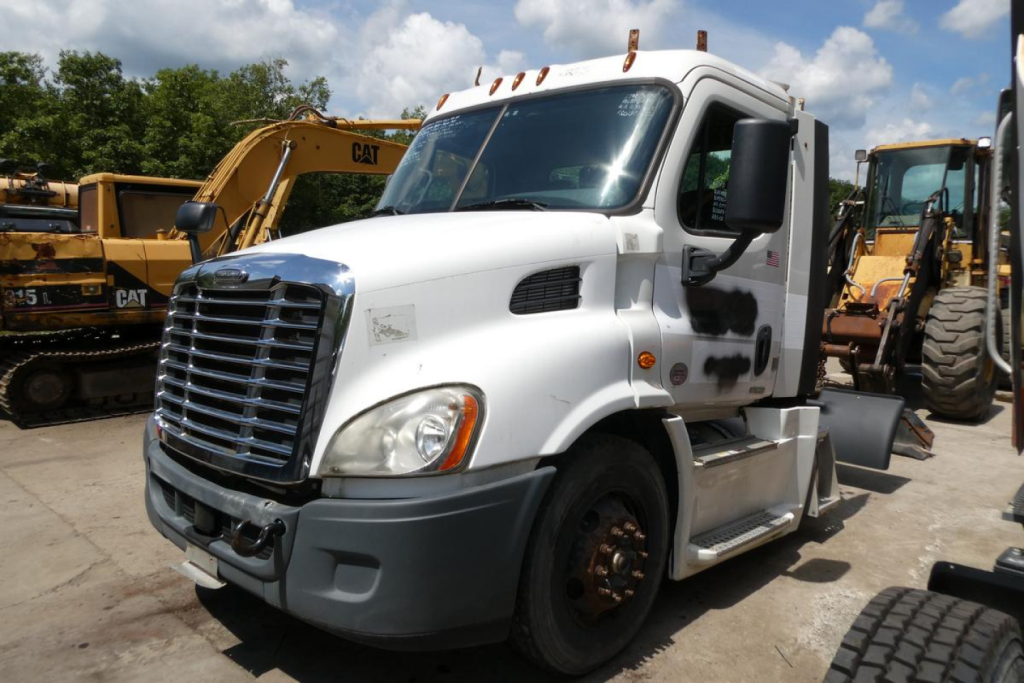
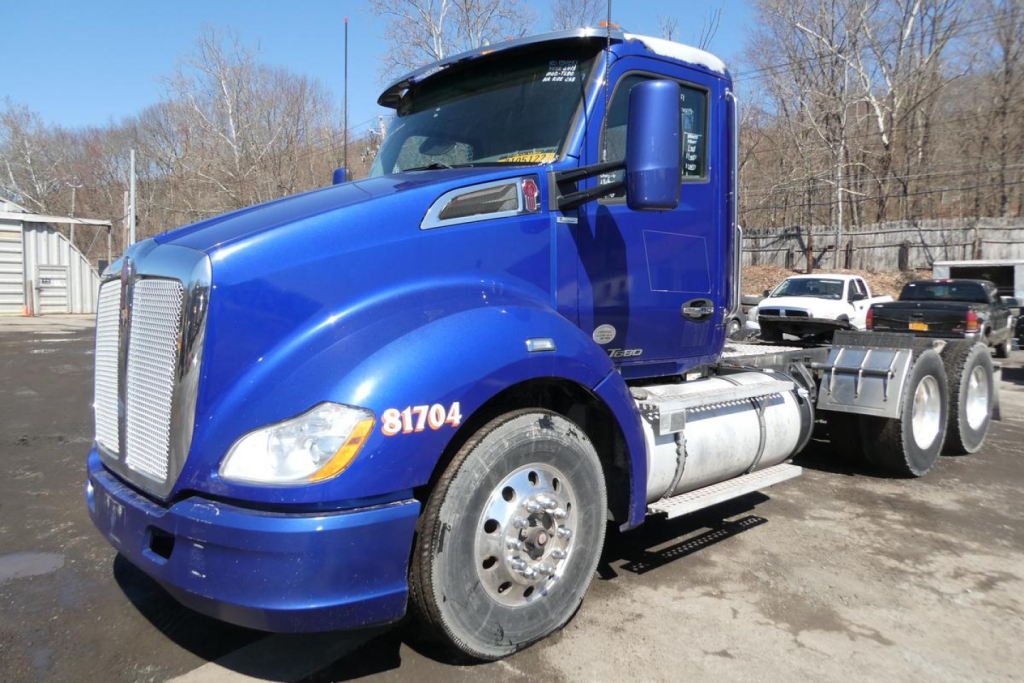
Showing 1 to 12 of 285 results
Have truck to sell? List it here to reach thousands of buyers.
About Trucks Near Greenwood Lake, New York
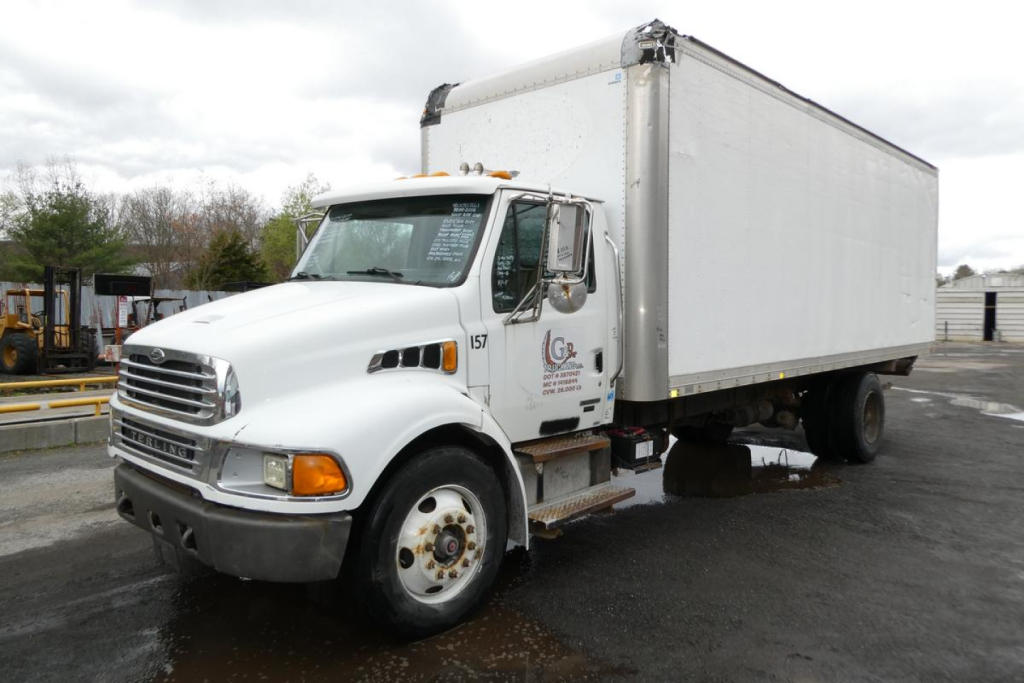
For medium-duty trucks, engines like the International DT466 are common because they are widely known for serviceability and vocational use. Automatic transmissions such as the Allison MD3060 are typical in stop-and-go applications where driver ease and route efficiency matter. Beverage bodies and other route-delivery bodies usually feature multiple side bays, aluminum construction, and drop-frame layouts to improve loading height and product access. On trucks in this class, details like spring versus air suspension, 11R22.5 rubber, air brakes, and body dimensions directly affect payload, dock compatibility, and maneuverability on tighter streets. If the truck will stay in urban or suburban service, turning radius, overall length, and bay configuration are often just as important as horsepower.
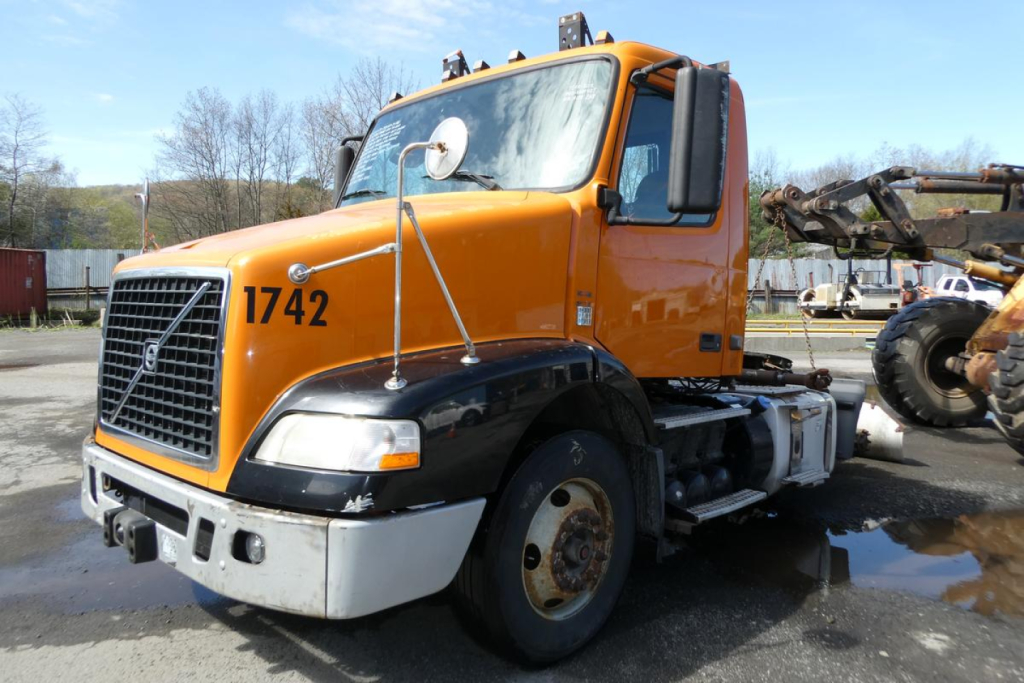
For conventional day cab tractors, Volvo VNM models are a good example of a regional-spec truck with a shorter BBC and a tighter wheelbase than many long-haul tractors. These trucks are commonly spec'd with 12,000 lb front axles, 20,000 to 23,000 lb rears, 2-bag air suspension, and 10-speed manual or automated manual transmissions such as Volvo I-Shift. Engines in the 10 to 11 liter range, including the Volvo D11, are popular for balancing fuel economy with enough output for local and regional hauling. Ratio choices like 3.21 or 3.42 change how the truck behaves under load, especially if the truck will spend more time in city traffic, on secondary roads, or running steady highway miles. Buyers should also verify emissions equipment condition on DEF-era trucks, along with brake type, fifth wheel style, frame configuration, and ECM miles versus dash miles.
Used truck shopping comes down to matching the spec to the route and confirming condition with discipline. For a straight truck, inspect body integrity, floor condition, bay doors, corrosion points, and signs of overloading. For a day cab, pay close attention to clutch or automated transmission behavior, suspension wear, air system health, disc or drum brake service history, and any active fault codes or fluid leaks. A lower purchase price can be offset quickly by the wrong rear ratio, an under-specced axle set, emissions repairs, or a body that does not fit the job. The best value is usually the truck with the right wheelbase, correct GVWR, documented maintenance, and a drivetrain suited to the freight lane it will run.
Frequently Asked Questions
What types of trucks are commonly found in this category?
This category typically includes medium-duty straight trucks and conventional day cab tractors. Straight trucks are often used for delivery, beverage, utility, landscaping, and local vocational work, while day cabs are usually spec'd for short-haul freight, terminal work, regional hauling, and operations where a sleeper is unnecessary. The most important distinction is whether the truck carries the load on its own chassis or pulls a trailer through a fifth wheel.
What specs matter most when buying a used truck?
The most important specs are GVWR, axle ratings, wheelbase, engine family, transmission type, rear axle ratio, suspension, and brake configuration. Those items determine legal payload, drivability, maintenance costs, and application fit. On a straight truck, body length, cab-to-axle measurement, and body construction are critical. On a tractor, fifth wheel setup, frame type, and gearing have a major impact on how well the truck performs in local or regional service.
Is an automatic or automated transmission better than a manual in a used truck?
It depends on the application and driver pool. Full automatics such as Allison transmissions are popular in stop-and-go delivery work because they reduce driver fatigue and are easy to operate. Automated manuals like Volvo I-Shift can improve fuel economy and provide consistent shifting in regional tractor service. Manual transmissions still appeal to fleets or owner-operators who want simpler control and, in some cases, lower replacement cost. The better choice is the one that matches the duty cycle and service support available in your area.
What should I check on a DEF-era truck before buying?
A DEF-era truck should be checked for fault codes, aftertreatment history, sensor issues, injector performance, soot load trends, and evidence of deleted or tampered emissions components. Buyers should also compare odometer and ECM readings, verify that regeneration functions properly, and inspect for coolant, oil, or exhaust leaks that can lead to expensive aftertreatment problems. Emissions repairs can change the true cost of ownership more than cosmetic condition or tire wear.
How do I choose between a straight truck and a day cab tractor?
Choose a straight truck if the job requires a fixed body for route delivery, enclosed cargo, beverage handling, or specialized vocational equipment. Choose a day cab tractor if the operation needs trailer flexibility, faster trailer swaps, and the ability to handle different freight types with one power unit. The decision usually comes down to loading method, route density, payload needs, and whether the truck must be a dedicated body unit or a tractor that can serve multiple trailers.