
Grapple Trucks For Sale in Louisiana
Browse grapple trucks for sale in Louisiana. Compare body size, crane reach, axle ratings, and PTO specs for debris, waste, and storm cleanup work.
Learn moreNo exact matches found for your search
Showing Grapple Trucks instead.
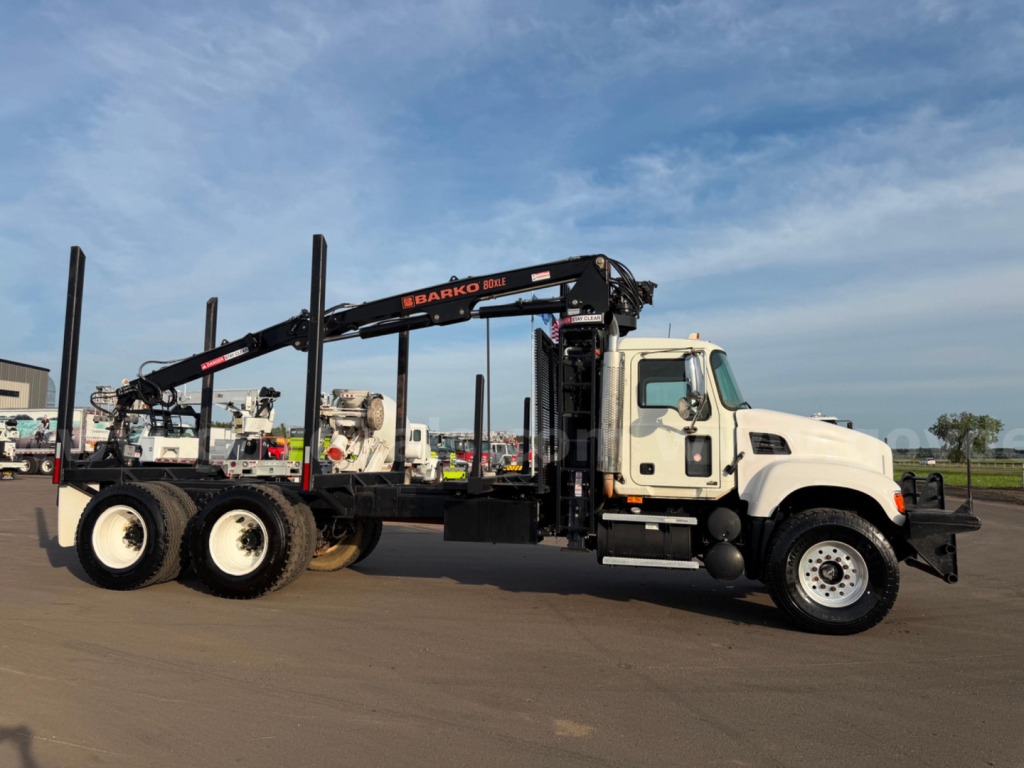

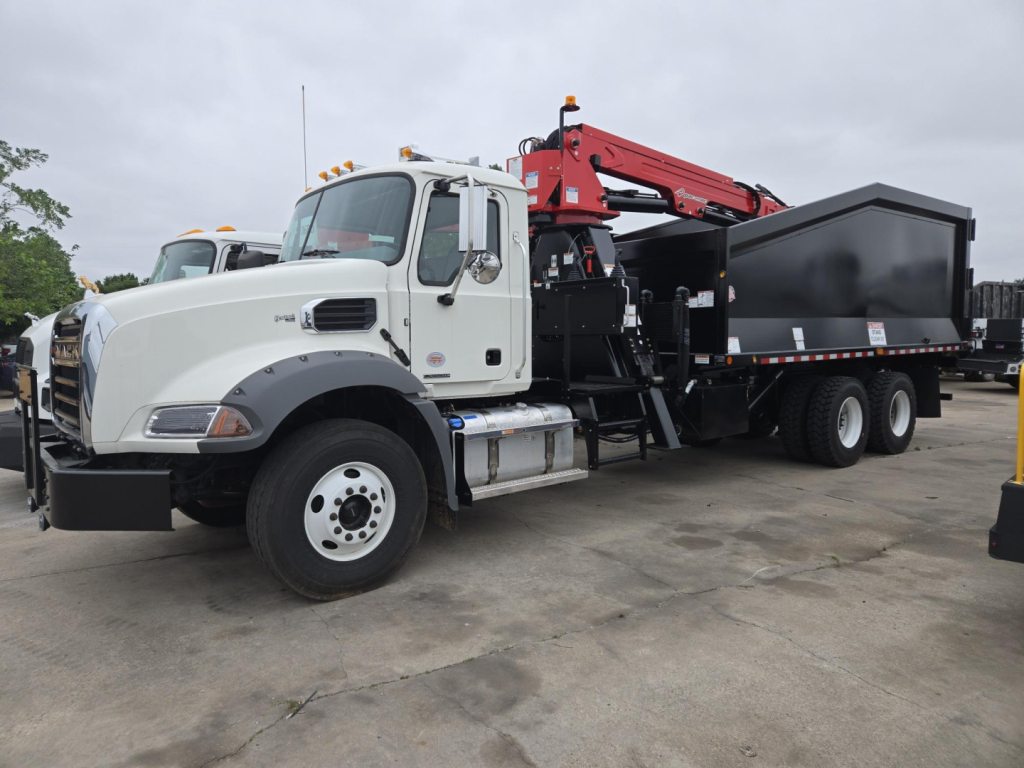
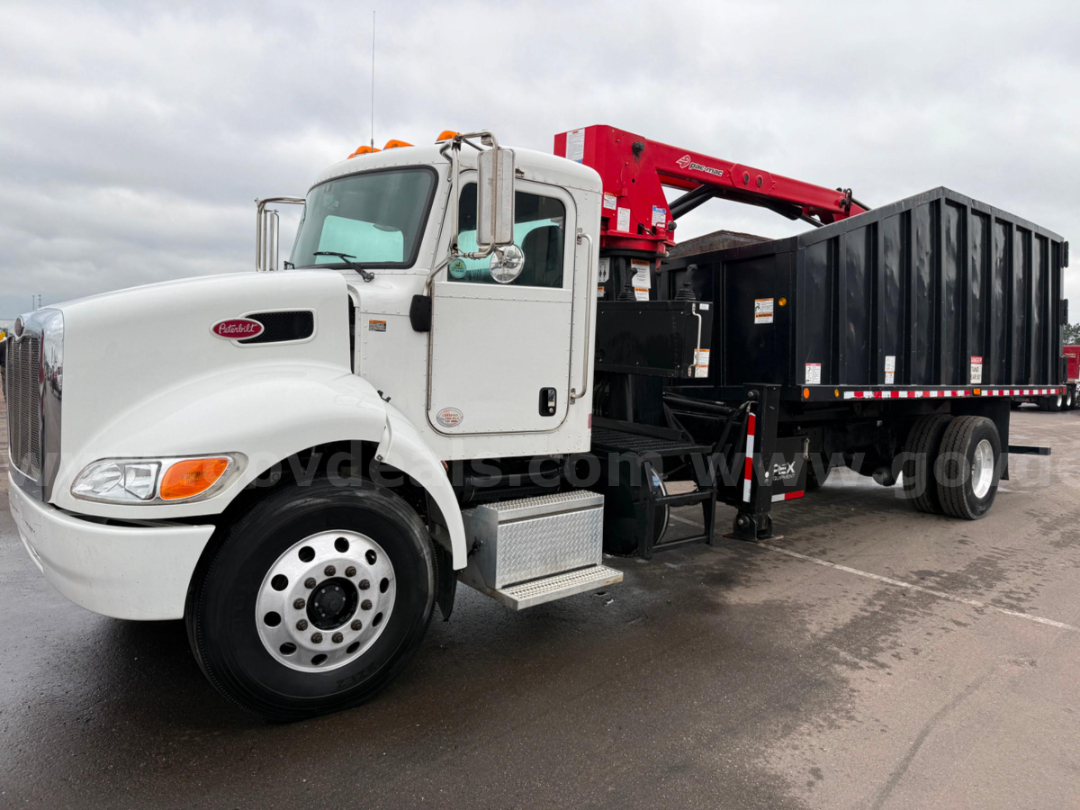
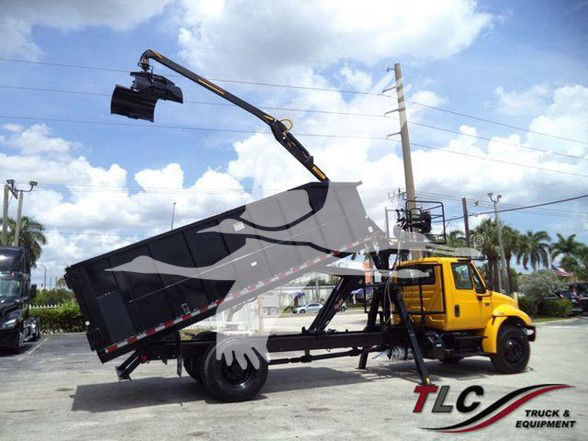
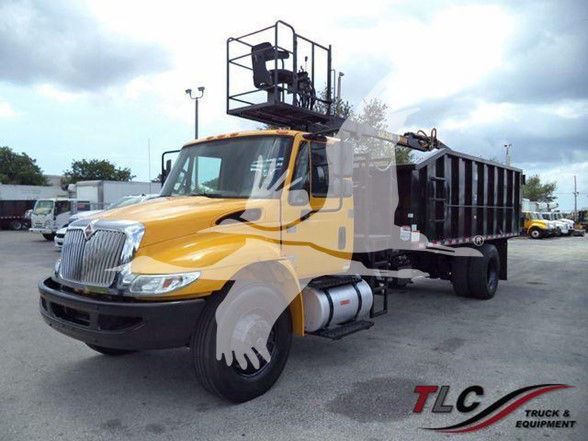
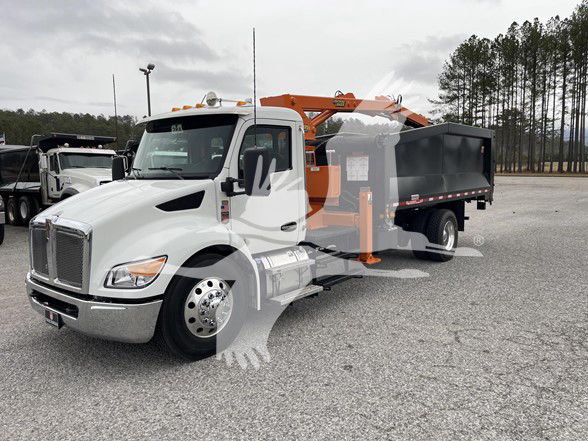
Showing 1 to 12 of 29 results
Have grapple truck to sell? List it here to reach thousands of buyers.
About Grapple Trucks in Louisiana
The body and loader package matter as much as the cab and chassis. Buyers should look closely at grapple body length, side height, hoist capacity, and crane placement behind the cab or rear mounted depending on the loading pattern. A truck set up for brush and vegetative debris may prioritize cubic capacity and fast cycle times, while a unit intended for mixed C&D or heavier waste may need a stronger subframe, heavier hoist, and better weight distribution. PAC-MAC and similar grapple bodies are common in this segment, and key details include hydraulic reservoir size, outrigger design, control style, and how easily the boom and rotator can be serviced. In wet Louisiana conditions, body floor thickness, corrosion protection, and clean hose routing are worth extra attention.
Axle ratings and wheelbase should match the real payload, not just the advertised body size. Many grapple trucks use a 12,000-pound front axle and a 21,000-pound rear axle on a roughly 250-inch wheelbase, which provides a workable balance between turning radius and body capacity. Rear ratio, suspension type, and tire size all affect low-speed drivability and durability when the truck is loaded unevenly with green waste or storm material. Buyers should also confirm PTO compatibility, hydraulic pump output, frame reinforcement, and legal bridge compliance for their expected route structure. In urban parishes and tight residential streets, maneuverability can be just as important as reach.
A good grapple truck is not just a truck with a claw on it. It is a purpose-built loading and hauling platform designed around cycle time, stability, and payload management. The best buying decision usually comes down to matching crane capacity, body volume, and chassis rating to the material stream you handle most often. For municipal fleets, tree service contractors, and debris haulers in Louisiana, the right spec can reduce manual labor, shorten route times, and hold up better through hurricane season and year-round cleanup work.
Frequently Asked Questions
What is a grapple truck used for?
A grapple truck is used to pick up and haul bulky loose material such as tree limbs, brush, storm debris, construction debris, scrap, and other oversized waste. It combines a hydraulic crane with a grapple attachment and a debris body, allowing one operator to load material that would otherwise require a loader, excavator, or manual labor. This makes grapple trucks common in municipal sanitation, tree service, utility line clearance, and storm cleanup operations.
What chassis and GVWR are common for grapple trucks?
Many grapple trucks are built on Class 7 chassis with a GVWR around 33,000 pounds, often using a single rear axle with a 12,000-pound front axle and a 21,000-pound rear axle. This configuration is popular because it offers a good balance of body capacity, legal roadability, and maneuverability in neighborhoods and city streets. The final ideal spec depends on the weight of the material being collected, local road limits, and how much crane and body weight the chassis must carry before payload is added.
Is an automatic transmission a good choice for a grapple truck?
Yes. An automatic transmission is often the preferred choice for a grapple truck because these trucks spend much of their day in stop-and-go service with frequent repositioning. Allison automatics are especially common because they work well with PTO-driven hydraulic equipment and reduce driver fatigue on residential, municipal, and debris routes. For fleets with multiple operators, an automatic can also simplify training and improve consistency behind the wheel.
What should I look at on the grapple body and crane?
Focus on body volume, floor and side construction, crane reach, lift capacity, outrigger setup, hydraulic system design, and service access. The right body for brush collection may not be the right body for mixed demolition debris or heavier waste streams. Buyers should also look at boom cycle speed, rotator and grapple condition, hose protection, subframe strength, and where the crane is mounted on the truck. Those details affect stability, loading efficiency, maintenance costs, and how well the truck fits your route pattern.
Why does Louisiana use put extra emphasis on corrosion protection and hydraulic durability?
Louisiana operating conditions can be hard on grapple trucks because of humidity, heavy rain, flooding exposure, and extended debris work after storms. Moisture and debris buildup can accelerate corrosion on bodies, subframes, electrical connections, and hydraulic components. Buyers in this market should pay close attention to paint quality, undercoating, body floor thickness, sealed wiring, cylinder condition, and hose routing. Those features can make a noticeable difference in uptime and long-term repair costs.