
Trucks For Sale Near Fairhope, Alabama
Browse trucks for sale in Fairhope, Alabama, including box trucks, vocational trucks, and commercial chassis for local and regional work.
Learn more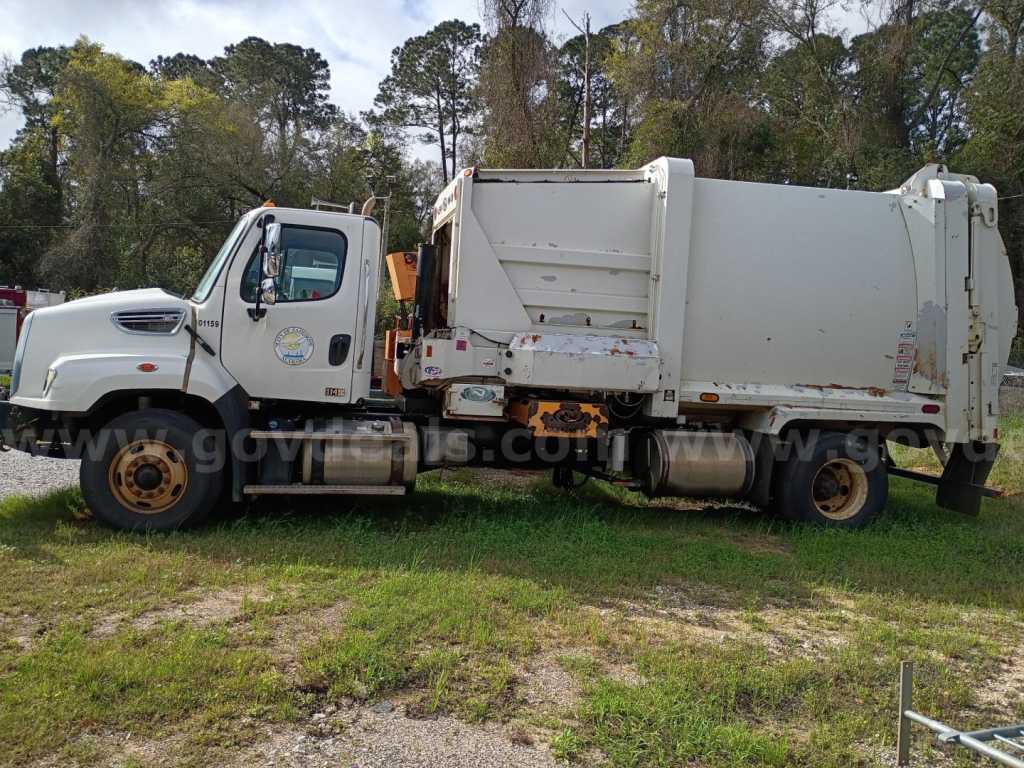

Have truck to sell? List it here to reach thousands of buyers.
About Trucks Near Fairhope, Alabama
Powertrain and chassis specs matter more than appearance on a used truck. Buyers should look closely at GVWR, wheelbase, cab-to-axle measurement, suspension type, brake setup, fuel type, and transmission configuration. Gas-powered cutaway and box trucks are common in lighter commercial work because they are simple to run and easier to service in many local markets. Heavier vocational trucks are more likely to use diesel engines, higher-capacity automatic or automated transmissions, locking differentials, and severe-duty frames designed for PTO-driven equipment or constant load cycling. Maintenance history, idle hours, engine blow-by, brake wear, tire condition, and any signs of frame or body corrosion deserve close attention.
For Gulf Coast operators, regional conditions should be part of the buying decision. Heat, humidity, salt air, and heavy rain can accelerate corrosion, affect electrical systems, and shorten the life of cab components, door seals, and wiring connections. A truck used around Fairhope may need extra scrutiny underneath the chassis, at crossmembers, around body mounts, and in the electrical harnesses for lighting and auxiliary equipment. On delivery and box trucks, buyers should inspect the cargo body floor, roof, rear door hardware, and any liftgate mounting points. On vocational trucks, body hydraulics, PTO function, packer or hoist systems, and evidence of hard municipal use can be just as important as engine hours and odometer miles.
A broad truck category like this rewards buyers who match the truck to the job instead of shopping by price alone. Tight urban routes call for shorter wheelbases, better turning radius, and easy cab access. Heavier vocational work may justify tandem axles, higher front axle ratings, severe-service suspensions, and robust cooling systems. If the truck will be upfitted, confirm the frame layout, PTO provisions, electrical capacity, and remaining legal payload after the body and equipment are installed. A well-matched truck lowers downtime, protects margins, and performs better over the long haul than a cheaper unit that is underspec'd or built for a different duty cycle.
Frequently Asked Questions
What should I look for first when comparing used trucks for sale?
Start with the truck’s intended job and confirm the basic chassis matches it. Key items include GVWR, body type, wheelbase, cab-to-axle measurement, axle ratings, engine and transmission pairing, and suspension setup. After that, inspect condition items that affect operating cost, including tires, brakes, fluid leaks, blow-by, PTO operation if equipped, and any corrosion or electrical issues. A truck that is properly spec'd for the work is usually a better buy than one that only looks good in photos.
Are gas or diesel trucks better for commercial use?
It depends on duty cycle and weight class. Gas engines are common in lighter box trucks and cutaway applications because acquisition cost is often lower and service access is straightforward. Diesel engines are typically preferred in heavier vocational and higher-GVWR trucks because they deliver more torque under load and are better suited for severe-duty applications. Buyers should compare expected mileage, payload, idle time, maintenance requirements, and local service support before deciding.
Why do wheelbase and cab-to-axle measurements matter on a truck?
Wheelbase affects maneuverability, ride quality, and how the truck carries weight. Cab-to-axle measurement is critical when fitting or replacing a body because it determines how the box, dump body, refuse body, or service body will sit on the chassis. If these dimensions are wrong, the truck may not balance properly, may limit body choices, or may require expensive modifications. Buyers planning to upfit should verify these measurements before purchase.
What condition issues are most important on vocational trucks?
Vocational trucks should be inspected for more than standard engine and transmission wear. Look at frame condition, suspension components, PTO engagement, hydraulic lines, pumps, cylinders, cooling system performance, and any body-specific equipment such as packers, hoists, or lift systems. Evidence of hard stop-and-go use, overloading, or deferred municipal maintenance can change the true cost of ownership quickly. Functional testing of auxiliary equipment is especially important.
Do local conditions in coastal Alabama affect truck buying decisions?
Yes. Coastal humidity, salt exposure, and frequent rain can accelerate rust and create electrical problems, especially on older trucks or units with utility bodies and added wiring. Buyers in the Fairhope area should inspect frame rails, crossmembers, brake and fuel lines, body mounts, battery boxes, connectors, and underside corrosion very carefully. Surface rust is common, but deeper structural corrosion or repeated electrical repairs can be a sign to dig further before buying.