
Mack Dump Trucks For Sale in Georgia
Shop Mack dump trucks for sale in Georgia. Compare Granite specs, axle setups, body options, engines, and vocational hauling applications.
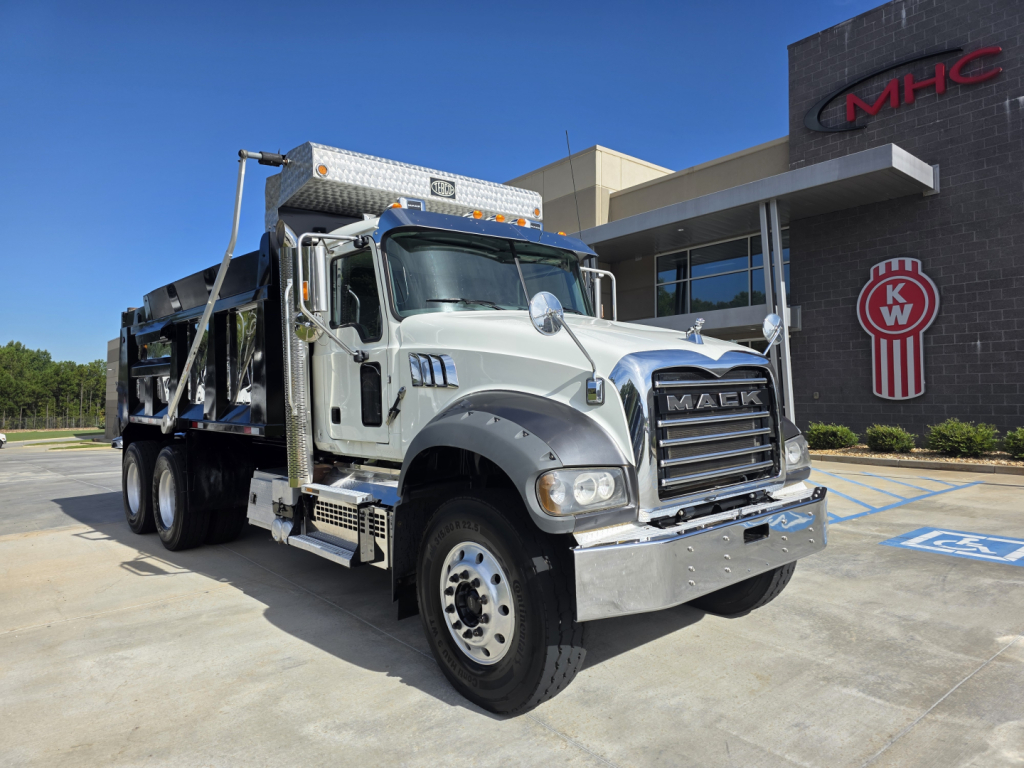
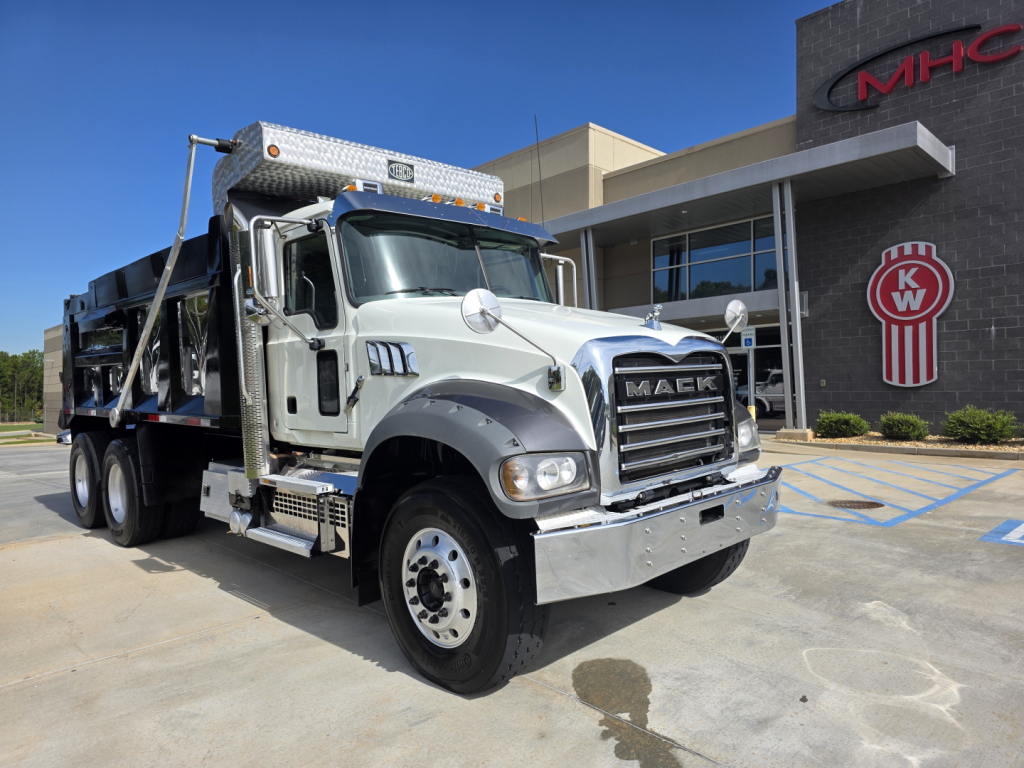
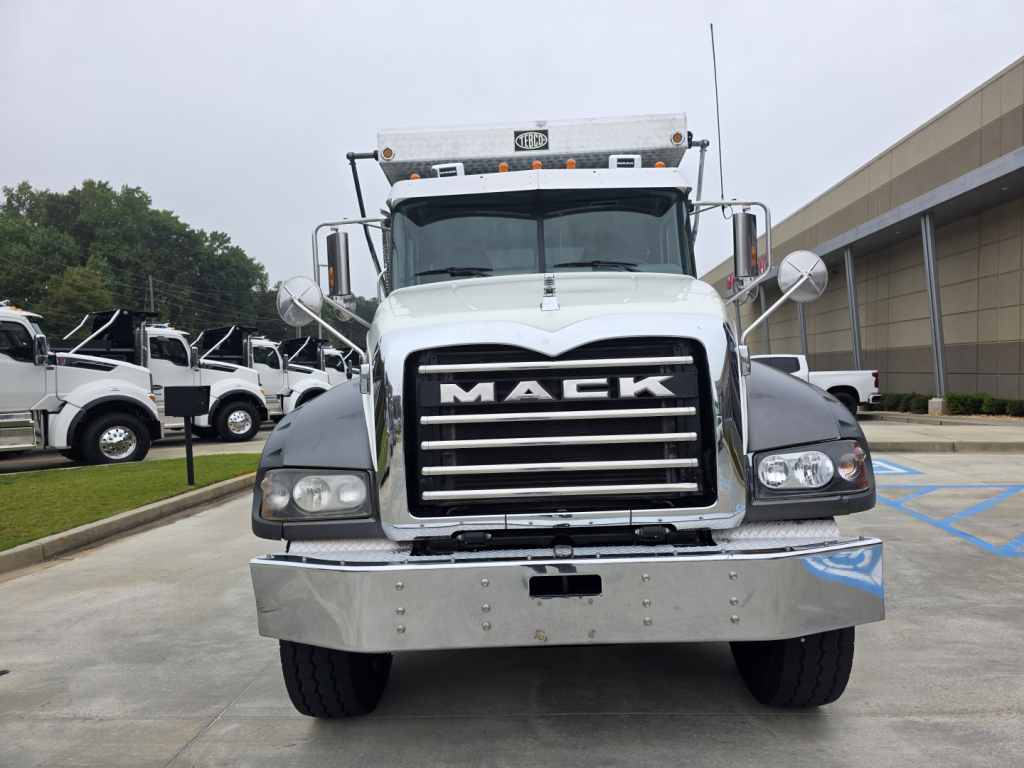
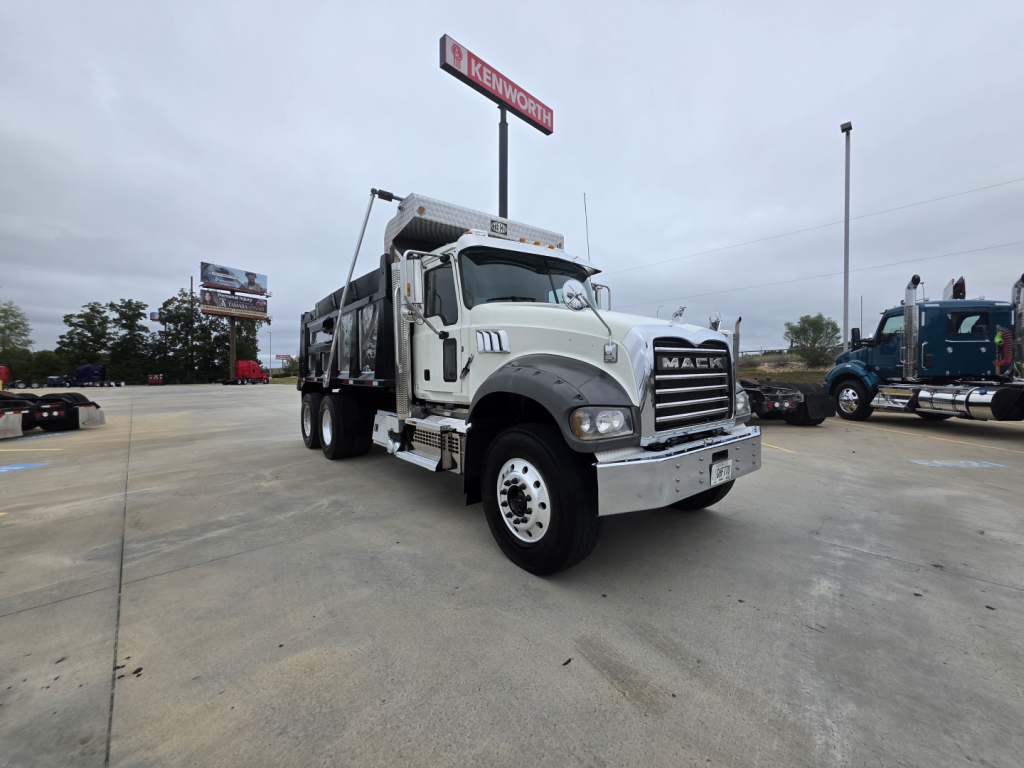
Selling a mack dump truck? List your mack dump truck for sale and reach thousands of commercial buyers.
Mack Dump Trucks in Georgia
The key spec decisions on a Mack dump truck usually come down to engine rating, transmission type, suspension, wheelbase, and body build. Many used Mack dump trucks in this class are equipped with diesel engines in the 300 to 500 horsepower range, often paired with Mack manual transmissions, Mack mDRIVE automated manuals, or Allison automatic transmissions for more stop-start vocational work. Buyers in hilly or mixed on-road and off-road applications should pay close attention to rear axle ratios, locking differentials, and suspension type. Camelback and other vocational suspensions remain popular for rugged service, while lighter setups can make sense where ride quality and tare weight matter more. Body details such as steel versus aluminum construction, hoist capacity, side height, barn doors, high-lift tailgates, and cab shields can have as much impact on productivity as the chassis itself.
Georgia buyers should also look closely at corrosion, frame condition, and signs of hard off-road use. Even in a state without the harsh winter road salt exposure seen farther north, dump trucks still live tough lives from overloaded cycles, quarry traffic, paver work, and jobsite impacts. Check for frame repairs, body floor wear, hinge and hoist pin play, suspension wear, steering looseness, and evidence of hydraulic leaks. If the truck has a PTO-driven dump body, confirm PTO engagement is smooth and that the hoist raises evenly under load. Brake type, tire condition, liner setup, and lift axle condition all affect operating cost. A well-matched Mack dump truck should have a wheelbase, bridge spacing, and body length that fit the material being hauled and the legal weight limits on the routes it will run.
For buyers comparing Mack against other vocational makes, the advantage is usually in chassis strength, parts support, and a long track record in construction fleets. A Mack dump truck is also known simply as a dump truck, dump body truck, or vocational dump, but the useful distinctions are in the details. Granite models are often spec'd for severe duty service, municipal snow and spreader combinations in other regions, and heavy construction work across the Southeast. The best used Mack dump truck is not necessarily the newest unit. It is the one with the right axle rating, body spec, driveline, and maintenance history for the work you need done every day.
Frequently Asked Questions about Mack Dump Trucks in Georgia
What is the most common Mack dump truck model buyers look for?
The Mack Granite is the most common Mack dump truck model in the used vocational market. It is widely used for construction, aggregate, asphalt, and municipal work because the chassis is designed for heavy body installations, durable front axle ratings, and repeated jobsite cycles. Granite configurations vary widely, so buyers should still verify axle count, suspension, transmission, and body size instead of shopping by model name alone.
Are Mack dump trucks good for heavy construction and off-road jobsite work?
Mack dump trucks are generally well suited for severe-duty applications when they are properly spec'd. Features such as vocational suspensions, heavy front axles, locking differentials, and rugged frame layouts make them a strong fit for dirt, rock, demolition, and paving work. The truck's actual jobsite performance depends on the exact setup, especially tire choice, axle ratio, body construction, and whether the suspension was built for off-road articulation or primarily paved-road hauling.
What should I inspect on a used Mack dump truck before buying?
Focus on the frame, body, hoist, hydraulics, suspension, driveline, and steering system first. Dump trucks often show their true condition through body floor wear, cracked crossmembers, loose hinge points, leaking cylinders, and suspension fatigue. Also inspect PTO operation, tailgate function, brake wear, tire match, and any lift axle components. Service history matters because a dump truck with consistent maintenance usually outperforms a newer truck that has been overloaded or neglected.
Which transmission is better in a Mack dump truck, manual or Allison automatic?
That depends on the route and duty cycle. Manual transmissions are often preferred by fleets that want simplicity, direct control, and lower acquisition cost. Allison automatic transmissions are popular in stop-and-go hauling, municipal work, and urban jobsite service because they reduce driver fatigue and can improve ease of operation. The best choice depends on driver experience, terrain, start-stop frequency, and how much low-speed maneuvering the truck does each day.
How do I choose the right axle configuration for a Mack dump truck in Georgia?
Start with legal payload requirements, material type, and the roads the truck will run. Tandem axle dump trucks are a common choice for general construction and paving because they balance maneuverability with useful payload. Tri-axle dump trucks can increase legal carrying capacity on qualifying routes, but they add complexity, maintenance, and turning limitations. Bridge law compliance, wheelbase, lift axle design, and local job access all matter as much as raw axle count.