
New Chevrolet Dump Trucks For Sale in Florida
Shop new Chevrolet dump trucks for sale in Florida. Compare Silverado 6500HD specs, GVWR, dump body options, diesel power, and jobsite features.
Learn more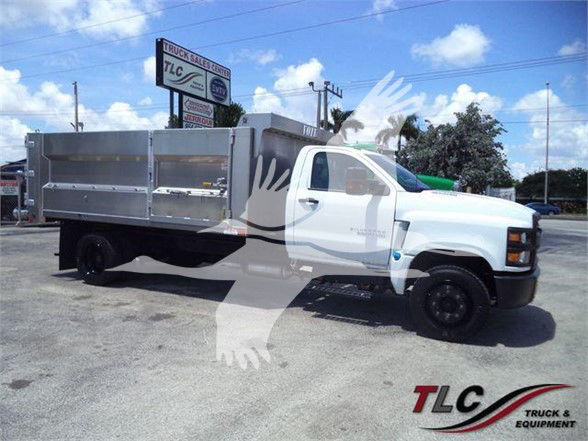
Have new chevrolet dump truck to sell? List it here to reach thousands of buyers.
About New Chevrolet Dump Trucks in Florida
One of the first decisions is chassis capacity and body configuration. A Chevrolet Silverado 6500HD dump truck is commonly spec'd with a regular cab or crew cab, 4x2 or 4x4 depending on terrain, and a dump body tailored to the material being hauled. Landscape-style bodies with higher solid sides are popular for storm cleanup, brush, and light bulk material, while more traditional contractor dumps are better suited for dirt, gravel, asphalt millings, and heavier loads. Buyers should look closely at body length, side height, floor thickness, hoist design, tailgate style, tarp system, and hitch setup. Scissor hoists are common on medium-duty dumps and offer good stability for general use. Barn doors, spreader gates, and swing gates each serve different unloading needs, so the right tailgate matters as much as payload.
Powertrain and operating weight deserve close attention because they directly affect usable payload and long-term operating cost. New Chevrolet dump trucks are frequently equipped with the 6.6L Duramax diesel paired with an Allison automatic transmission, a combination widely favored for predictable drivability, PTO compatibility, and service familiarity. On a 6500HD, wheel and tire size, axle rating, suspension spec, and body material all influence how much net payload remains after the upfit is installed. Aluminum dump bodies can reduce curb weight and improve corrosion resistance, which is valuable in humid Florida conditions and for fleets exposed to fertilizer, wet debris, or coastal air. Steel bodies still have an advantage in severe-duty applications where abrasion resistance and impact durability are the priority.
A buyer comparing new Chevrolet dump trucks should also pay attention to daily-use details that affect uptime and driver efficiency. Backup cameras, integrated trailer wiring, brake controller provisions, pintle or receiver hitches, underbody tool storage, and tarp systems all matter on a working truck. If the truck will pull equipment trailers, confirm GCWR, hitch rating, and brake setup. If it will spend time off pavement, review rear axle ratio, traction aids, and tire choice. For municipal or contractor fleets, body manufacturer quality, wiring protection, hydraulic component access, and parts support are just as important as the badge on the hood. A well-matched Chevrolet dump truck should balance chassis rating, body weight, material type, and route conditions so the truck performs legally, efficiently, and with less wear over time.
Frequently Asked Questions
What is the typical use for a new Chevrolet dump truck?
A new Chevrolet dump truck is commonly used for landscaping, light construction, debris removal, municipal maintenance, and material delivery. On a medium-duty Chevrolet chassis such as the Silverado 6500HD, the truck is often best suited for mulch, sand, gravel, soil, brush, and demolition debris rather than the heaviest aggregate or severe off-road hauling. Its value is in combining commercial dump capability with easier maneuverability and a lower operating footprint than larger heavy-duty dump trucks.
Is a Chevrolet Silverado 6500HD a good platform for a dump body?
Yes, the Chevrolet Silverado 6500HD is a strong fit for many dump truck applications in the medium-duty market. It offers a commercial chassis with diesel power, automatic transmission availability, solid upfit compatibility, and a GVWR that supports landscape and contractor dump bodies. The best fit depends on the finished truck's body weight, axle ratings, and intended material, so buyers should evaluate payload after upfit rather than judging capacity by chassis rating alone.
Should I choose an aluminum or steel dump body on a Chevrolet dump truck?
An aluminum dump body generally helps maximize payload and resists corrosion well, which is useful in humid climates like Florida and in applications involving yard waste, storm debris, or light bulk material. A steel body is usually better for repeated loading of dense or abrasive material and for harsher jobsite use where impact resistance matters more than weight savings. The right choice comes down to what the truck hauls most often, how aggressively it is loaded, and how important every pound of payload is to the operation.
What features matter most when buying a new dump truck in Florida?
In Florida, corrosion resistance, cooling performance, body material, and application-specific body design are important. Buyers should also look at side height for landscape work, tailgate configuration for unloading, tarp systems for load control, and hitch provisions if trailers are part of the job. Because many Florida routes include residential access, soft ground, and stop-and-go driving, turning radius, cab layout, transmission choice, and visibility features like backup cameras can make a noticeable difference in daily productivity.
How do I know if a Chevrolet dump truck has enough payload for my work?
The key number is net payload after the dump body, hoist, toolboxes, hitch equipment, fuel, and driver are accounted for. Start with the truck's GVWR, then subtract the actual curb weight of the completed unit as equipped. Buyers should also consider the density of the material being hauled because a truck can run out of legal weight long before the body is physically full. Matching body volume to material type is essential, especially when hauling dense products like wet sand, gravel, or fill dirt.