
New Volvo Conventional Sleeper Trucks For Sale in Montana
Shop new Volvo conventional sleeper trucks built for long-haul comfort, fuel efficiency, and premium driver features in Montana.
Learn more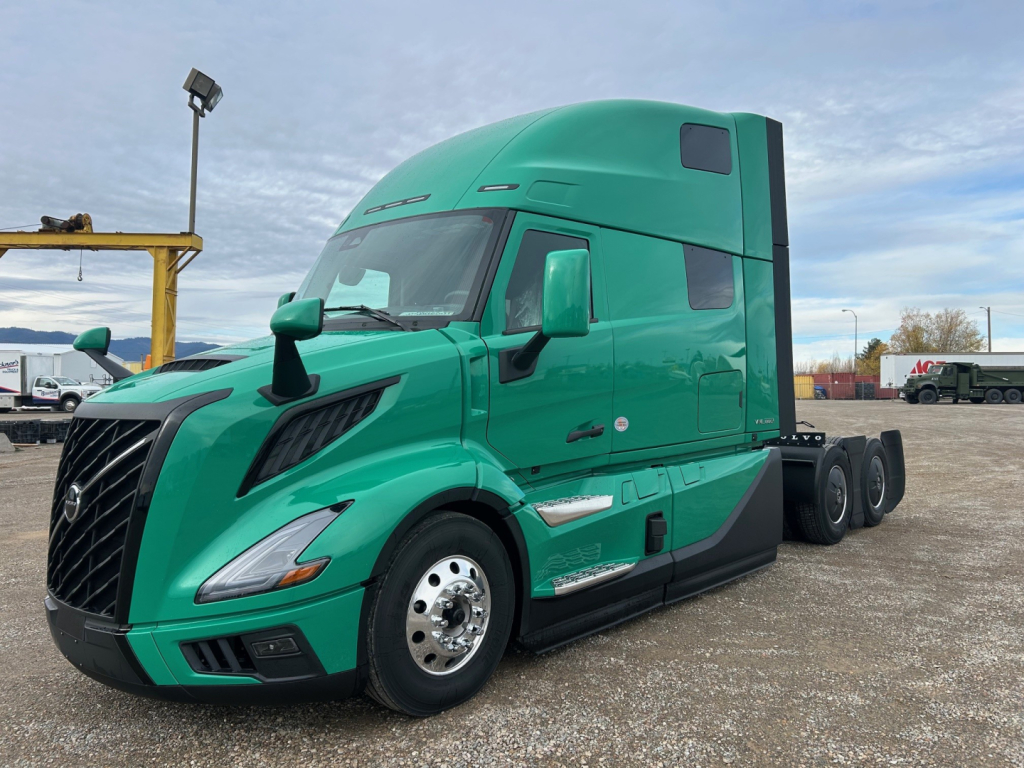
Have new volvo conventional sleeper truck to sell? List it here to reach thousands of buyers.
About New Volvo Conventional Sleeper Trucks in Montana
Volvo sleeper tractors are commonly spec'd with the D13 engine, the I-Shift automated manual transmission, and drivetrain packages aimed at balancing pulling power with low-rpm cruising. For fleets and owner-operators focused on highway efficiency, rear axle ratios, torque ratings, and cruise-speed performance deserve close attention. A taller sleeper with a premium interior can improve driver retention on extended runs, while a practical mid-roof or streamlined high-roof setup may better fit dedicated lanes and weight targets. New conventional sleepers also tend to include modern safety and driver-assist systems, along with integrated telematics, which can be important for compliance, coaching, and maintenance planning.
Inside the cab, Volvo has a strong reputation for ergonomic layout, quiet ride quality, and sleeper amenities that make life on the road more manageable. Depending on spec, buyers may see upper and lower bunks, refrigerator space, inverter prep, auxiliary climate features, premium seating, and upgraded infotainment. Those features are not just comfort items. They affect dwell-time efficiency, rest quality, and overall driver satisfaction on multi-day trips. Pay attention to wheelbase, fifth-wheel placement, fuel capacity, and storage layout as well, especially if the truck will pull a standard dry van, reefer, or heavier specialized freight.
When evaluating a new Volvo conventional sleeper, the smartest approach is to match the truck to the lane. A Montana-based operation may want a spec that can handle mountain grades, cold-weather starts, and long stretches between service points without giving up fuel economy on interstate corridors. Look closely at axle ratings, suspension type, braking package, and warranty coverage, then compare them against your trailer type, gross combination weight, and expected annual mileage. A properly spec'd new Volvo sleeper can be a strong fit for fleets prioritizing efficiency and for drivers who spend serious time in the truck.
Frequently Asked Questions
What is a Volvo conventional sleeper truck best suited for?
A Volvo conventional sleeper truck is best suited for over-the-road freight, regional hauls with overnight stays, and dedicated lanes where the driver needs living space behind the cab. The conventional layout uses a hood-forward design, which remains the standard for North American highway tractors. In Volvo’s lineup, sleeper models are especially popular for dry van, refrigerated, and general freight applications where aerodynamics, ride quality, and fuel efficiency are major priorities.
What engine and transmission are common in new Volvo sleeper trucks?
Many new Volvo conventional sleeper trucks are equipped with the Volvo D13 engine and the Volvo I-Shift automated manual transmission. This combination is widely chosen because it supports fuel-efficient highway operation, smooth shifting, and integrated powertrain programming. Buyers should still compare horsepower, torque, rear axle ratio, and intended cruise speed, because the right drivetrain spec depends on terrain, gross weight, and how often the truck will run in mountains or heavy stop-and-go conditions.
What sleeper size should a buyer choose in a Volvo VNL-style truck?
Sleeper size should be matched to route length, driver expectations, and payload priorities. Larger high-roof sleepers provide more standing room, storage, and amenities for teams or solo drivers staying out for extended periods. Smaller sleepers can reduce weight and may better suit shorter regional lanes. If the truck will be used for true long-haul service, buyers often place a premium on bunk layout, cabinet space, refrigerator provision, auxiliary power options, and ease of movement inside the sleeper.
Are new Volvo conventional sleepers a good choice for Montana operations?
They can be a very strong choice for Montana operations because the state often demands a truck that can cover long highway distances efficiently while still handling winter weather, elevation changes, and remote stretches between stops. A buyer in Montana should pay close attention to cold-weather spec items, fuel capacity, axle ratio, traction support, and braking performance. The right setup can improve both reliability and operating cost on long interstate and cross-regional routes.
What specs matter most when comparing new Volvo sleeper trucks for sale?
The most important specs usually include engine rating, transmission, rear axle ratio, sleeper size, wheelbase, axle ratings, fuel tank capacity, and safety technology. Buyers should also review fifth-wheel location, suspension type, warranty terms, and in-cab features that affect driver comfort. The best truck is not always the one with the most options. It is the one whose spec matches the freight, trailer, terrain, and annual mileage profile of the operation.