
Volvo Conventional Sleeper Trucks For Sale in New Jersey
Shop Volvo conventional sleeper trucks in New Jersey. Compare VNL specs, D13 power, sleeper sizes, transmissions, and highway-ready setups.
Learn more
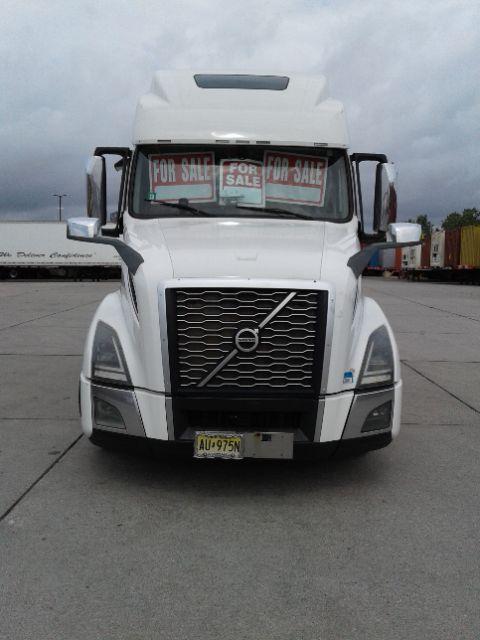
Have volvo conventional sleeper truck to sell? List it here to reach thousands of buyers.
About Volvo Conventional Sleeper Trucks in New Jersey
The big buying decisions usually come down to sleeper size, drivetrain, and emissions-era maintenance history. A larger sleeper can make a real difference for teams or drivers staying out for extended weeks, while a mid-roof or more compact sleeper may be enough for regional applications. Volvo conventional sleepers are known for a driver-focused cab layout, good visibility, and a smooth ride when spec'd with air ride suspension. Buyers should look closely at axle configuration, wheelbase, rear ratio, and whether the truck is set up for van, reefer, tanker, or port-related duty. In heavy Northeast service, turning radius, fairing condition, and rust exposure can matter almost as much as engine rating.
Powertrain spec is where a Volvo sleeper truck can either fit the job well or become expensive to operate. The D13 is popular because it offers strong torque with competitive fuel efficiency, but it is still important to review aftertreatment service records, transmission history, and cooling system maintenance. Automated Volvo I-Shift transmissions are common in newer trucks and are favored for fuel economy and driver recruitment, while manual transmissions still appeal to owner-operators who want direct control and simpler familiarity. Check for typical long-haul tractor details such as dual bunks, APU prep or installation, inverter setup, fairings, wheel seals, tire condition, and signs of excessive idle hours.
A well-matched Volvo conventional sleeper should be evaluated as a revenue truck, not just a cab with a bed. Buyers comparing listings should weigh mileage against maintenance quality, verify horsepower and torque against the intended freight, and confirm interior sleeper configuration before making a decision. In New Jersey, many buyers also pay attention to toll-route efficiency, emissions compliance, and how the truck will perform in dense traffic, port corridors, and multi-state runs up and down the East Coast. Volvo sleeper tractors remain a strong choice for carriers and owner-operators who want a highway truck with modern aerodynamics, a comfortable living space, and proven long-distance capability.
Frequently Asked Questions
What is the most common Volvo conventional sleeper model buyers look for?
The Volvo VNL is the most common conventional sleeper platform on the used market. Buyers often search for VNL 670 and VNL 760 configurations because they offer a practical mix of aerodynamic design, driver comfort, and sleeper room for long-haul work. The exact model matters because sleeper size, wheelbase, storage, and interior layout can change how well the truck fits solo over-the-road, team driving, or regional freight.
Is a Volvo D13 a good engine for a sleeper truck?
The Volvo D13 is a widely used engine in conventional sleeper trucks because it delivers strong torque, highway-friendly fuel economy, and broad parts and service support. It is a solid fit for dry van, reefer, and general freight applications when the horsepower and rear axle ratio are matched to the load. Buyers should still review service history carefully, especially emissions components, cooling system work, and any records related to injectors, turbocharger, or aftertreatment repairs.
Should I choose an automatic or manual transmission in a Volvo sleeper truck?
That decision depends on route type, driver pool, and maintenance priorities. Volvo automated transmissions, especially I-Shift-equipped trucks, are popular for long-haul use because they help with fuel economy, reduce driver fatigue, and make hiring easier. Manual 10-speed trucks still have a place with owner-operators and fleets that prefer a traditional drivetrain, but the right choice depends on who will drive the truck and how the truck will be used every day.
What should I inspect first on a used Volvo conventional sleeper truck?
Start with maintenance records, engine hours, mileage, and any evidence of emissions-system work. Then inspect the sleeper condition, transmission operation, suspension, tire wear, frame rust, fairings, and signs of fluid leaks. On a Volvo sleeper, it is also smart to confirm bunk layout, HVAC performance, inverter or APU setup, and overall cab condition because driver comfort features directly affect long-haul usability and resale value.
Are Volvo conventional sleeper trucks a good fit for New Jersey trucking?
Yes, they are a practical fit for New Jersey because they can handle regional freight, port-related moves, and longer East Coast runs in one platform. Their aerodynamic design and comfortable sleeper layout suit highway work, while their visibility and ride quality help in dense traffic and tight terminal environments. Buyers in New Jersey should pay extra attention to corrosion, emissions compliance, and spec details such as wheelbase and axle setup to make sure the truck matches local operating conditions.