
Volvo Conventional Sleeper Trucks For Sale in Montana
Browse Volvo conventional sleeper trucks built for long-haul comfort, fuel efficiency, and driver retention with VNL sleeper configurations.
Learn more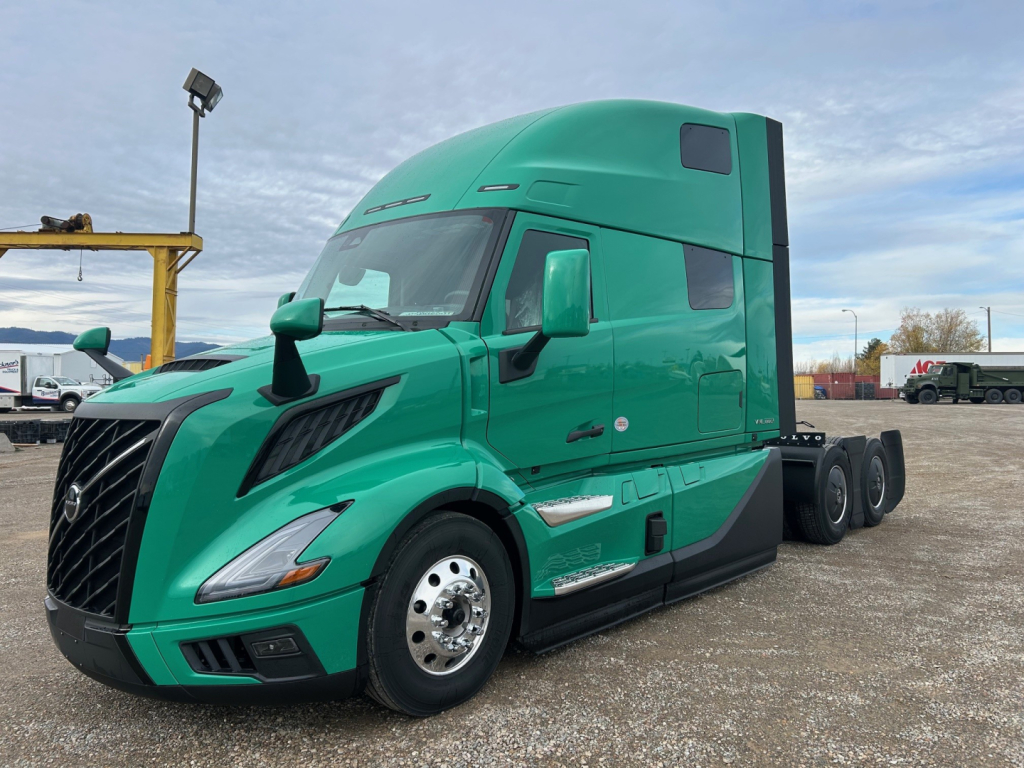
Have volvo conventional sleeper truck to sell? List it here to reach thousands of buyers.
About Volvo Conventional Sleeper Trucks in Montana
A buyer comparing Volvo sleeper trucks will usually focus first on the drivetrain. Many late-model VNL conventional sleepers are spec’d with the Volvo D13 engine and I-Shift automated manual transmission, often paired with fuel-efficient rear axle ratios for highway work. That setup is popular because it balances power, low-rpm cruising, and driver-friendly operation. On heavier routes or mountain corridors, horsepower, torque rating, and rear axle ratio deserve a close look, especially if the truck will regularly pull at max gross weight. Tandem rear axles, air-ride suspension, disc brakes on newer specs, and wheelbases in the long-haul range are common in this category.
Sleeper size and interior layout are just as important as drivetrain specs. Volvo conventional sleepers are commonly found with mid-roof and high-roof cabs, with larger sleepers offering stand-up room, upper and lower bunks, refrigerator space, inverter provisions, storage cabinets, and parking heater or APU-ready setups. For fleets trying to improve driver retention, seat quality, insulation, climate control, and cab noise matter as much as engine performance. Volvo has a strong reputation for ergonomic dash layout, visibility, and integrated safety technology, so buyers often compare collision mitigation features, camera systems, infotainment, and driver-assist options along with the sleeper amenities.
Condition and spec alignment should drive the final decision. A Montana buyer may prioritize tire spec, cold-weather starting equipment, bunk heater functionality, fairing condition, and corrosion exposure differently than a buyer in a coastal market. It also pays to review axle ratings, fifth wheel setup, maintenance history, emissions system service records, and any fuel-efficiency package the truck carries. A well-matched Volvo conventional sleeper can lower operating costs, support longer dispatch cycles, and deliver the kind of cab environment drivers want to stay in for the long haul.
Frequently Asked Questions
What makes a Volvo conventional sleeper truck a strong choice for long-haul freight?
Volvo conventional sleeper trucks are known for combining aerodynamic design, efficient powertrains, and a driver-focused cab. That matters on long-haul routes where fuel burn, driver fatigue, and uptime all affect total operating cost. The Volvo VNL platform is especially common in over-the-road service because it offers a roomy sleeper, good visibility, and integrated drivetrain options like the D13 engine and I-Shift transmission that are designed to work together.
Which specs matter most when buying a used Volvo sleeper truck?
The most important specs usually start with engine horsepower, torque rating, transmission type, rear axle ratio, and axle capacity. After that, buyers should look closely at sleeper size, wheelbase, suspension, brake type, and the truck’s emissions system history. For highway freight, a fuel-efficient axle ratio can be a major advantage, but routes with steep grades or heavier freight may require a different balance of power and gearing. Maintenance records and fault history are just as important as the base spec.
Are Volvo VNL sleeper trucks good for Montana and mountain-region operation?
They can be, provided the truck is spec’d correctly for the application. Montana operation can mean winter starts, strong crosswinds, long interstate stretches, and mountain grades, so buyers should pay attention to horsepower, torque, traction setup, tire selection, and cold-weather equipment. A sleeper truck with the wrong rear ratio for the route may feel efficient on flat ground but underperform in sustained climbing. Bunk heaters, battery capacity, and overall cab insulation are also important in colder markets.
What sleeper features should buyers look for in a Volvo conventional sleeper?
The right sleeper features depend on how many nights the truck will stay out and whether it is assigned to one driver or part of a slip-seat operation. Common priorities include stand-up room, bunk configuration, storage, refrigerator space, inverter, shore power, parking heater, and climate control. Many buyers also pay attention to seat quality, noise control, and dash ergonomics because those features directly affect driver comfort and retention over long runs.
Is the Volvo I-Shift transmission a benefit in a sleeper truck?
For many fleets and owner-operators, yes. The I-Shift automated manual transmission is widely used in Volvo sleeper trucks because it helps simplify driver operation, supports fuel-efficient shifting, and reduces fatigue in heavy traffic or mountain terrain. It can also help standardize driving performance across multiple operators. The main consideration is making sure the transmission calibration and axle ratio are appropriate for the truck’s intended freight and terrain.