
Volvo Conventional Sleeper Trucks For Sale in Indiana
Shop Volvo conventional sleeper trucks in Indiana. Compare VNL specs, sleeper sizes, drivetrains, and long-haul features for fleet use.
Learn more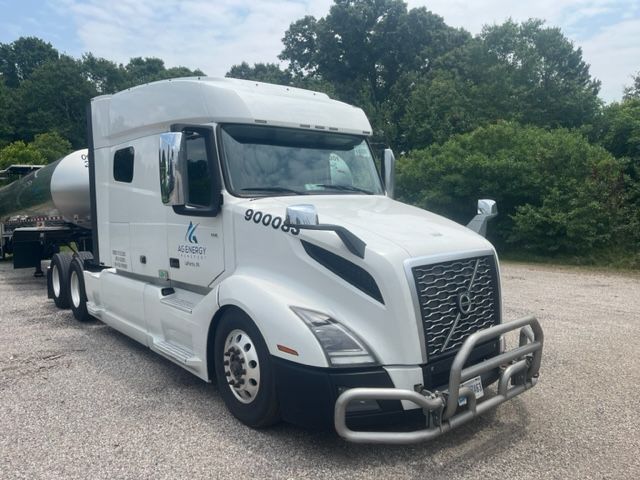
Have volvo conventional sleeper truck to sell? List it here to reach thousands of buyers.
About Volvo Conventional Sleeper Trucks in Indiana
A key buying decision is sleeper configuration. Volvo conventional sleepers commonly come with mid-roof or high-roof cabs, and many are set up with single-bunk or double-bunk interiors depending on solo or team use. Double-bunk sleepers are popular in expedited freight and longer route cycles, while larger high-roof layouts give drivers more standing room, storage, and room for onboard amenities. Common comfort and productivity features include air ride cab suspension, air ride seats, power accessories, cruise control, APUs, and integrated dash controls. Buyers should also pay attention to fairings, mirror configuration, exhaust layout, and sliding fifth wheel setup, especially if the truck will pull different trailer lengths or operate across mixed freight applications.
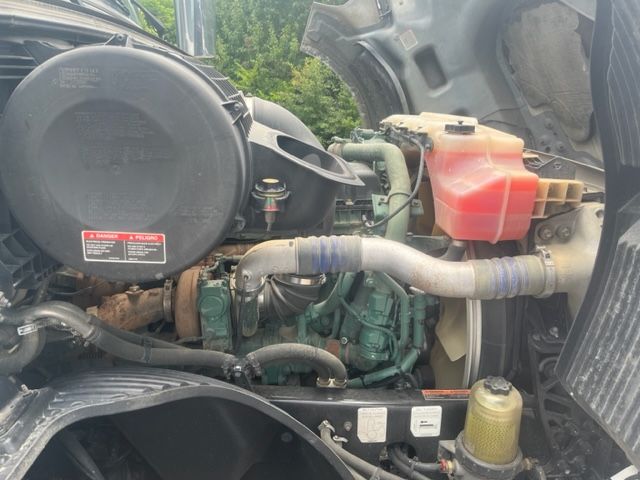
Powertrain and chassis spec matter just as much as cab layout. Volvo sleeper tractors are often equipped with Volvo D13 engines paired with automated manual transmissions such as the I-Shift, though some fleets still prefer manual transmissions based on driver base and service practices. Typical axle setups in this category include 6x4 tandem drive configurations, with ratios selected for a mix of highway speed, fuel economy, and gradeability. Check wheelbase, fifth wheel placement, fuel capacity, and front axle rating against the trailer and lane profile you expect to run. If a truck includes a wet kit or dump valve, that can expand its usefulness for specialized trailer applications beyond standard dry van or reefer work.
For used Volvo conventional sleeper trucks, condition should be evaluated beyond mileage alone. Buyers should review idle hours, service records, emissions system history, suspension wear, bunk condition, and signs of previous frame or cab damage. Volvo trucks have a strong following for ride quality and ergonomics, but the best value comes from a spec that matches your freight, maintenance program, and driver expectations. A well-matched Volvo sleeper can serve fleets that prioritize retention, owner-operators who spend extended time on the road, and carriers that want a modern aerodynamic tractor with a comfortable living space and highway-focused efficiency.
Frequently Asked Questions
What are Volvo conventional sleeper trucks commonly used for?
Volvo conventional sleeper trucks are primarily used for long-haul freight, regional over-the-road service, team driving, and dedicated lanes that require overnight or multi-day operation. They are commonly seen pulling dry vans, reefers, and general freight trailers, but some are also equipped for specialized applications when features like a wet kit or sliding fifth wheel are included. The sleeper cab makes them a practical choice when drivers need onboard rest space and extra storage.
What should I look for when buying a used Volvo VNL sleeper truck?
Start with the drivetrain spec, sleeper size, and service history. Engine model, transmission type, axle ratio, and mileage should line up with the freight and terrain the truck will handle. After that, inspect idle hours, emissions system repairs, suspension condition, bunk wear, and signs of frame or cab damage. It is also smart to confirm the truck's wheelbase, fifth wheel position, and fuel capacity so the tractor fits your trailer mix and operating range.
Are Volvo sleeper trucks good for fuel economy?
Volvo sleeper trucks are widely recognized for fuel-efficient highway performance, especially in aerodynamic VNL configurations with integrated fairings and matched powertrain components. Fuel economy depends on engine rating, transmission calibration, rear axle ratio, cruise speed, and load profile, but Volvo's highway-oriented design has made these tractors popular with fleets focused on cost per mile. A properly spec'd truck usually performs best when its gearing and sleeper size match the intended route and weight profile.
What sleeper options are common in Volvo conventional trucks?
Common sleeper options include mid-roof and high-roof cab designs, along with single-bunk and double-bunk interiors. High-roof sleepers are preferred for long-haul work because they provide more stand-up room, cabinet space, and driver comfort. Double-bunk layouts are especially useful for team operations or fleets that want added flexibility. Other common sleeper-related features include APUs, storage cabinets, climate controls, and premium seat and cab suspension packages.