
Volvo Conventional Sleeper Trucks For Sale in Alabama
Shop Volvo conventional sleeper trucks with VNL specs, D13 power, I-Shift options, and sleeper configurations built for regional and long-haul use.
Learn more
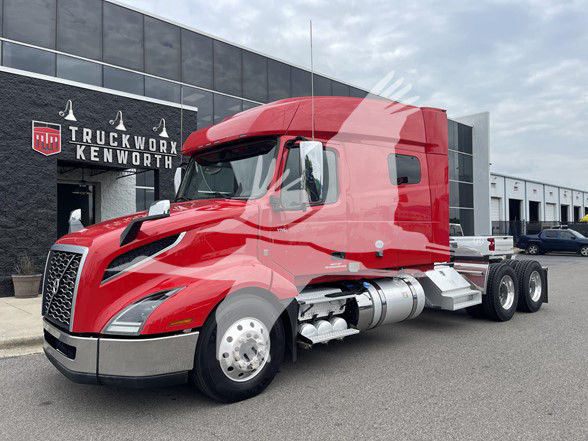
Have volvo conventional sleeper truck to sell? List it here to reach thousands of buyers.
About Volvo Conventional Sleeper Trucks in Alabama
Powertrain choice is one of the biggest decision points on a Volvo sleeper. Many late-model trucks are equipped with the Volvo D13, typically in ratings around 425 to 455 horsepower, paired with the Volvo I-Shift automated manual transmission. That combination is popular because it balances fuel efficiency with easy drivability, and it tends to perform well in fleet service where consistency matters. Common drivetrain setups include 6x4 tandem axle configurations, 40,000-pound rear axles, and highway-friendly rear ratios in the mid-2s, especially on trucks spec'd for fuel mileage. A buyer should look closely at wheelbase, axle ratio, and transmission gearing together, since those three specs have a major impact on startability, cruising RPM, and how the truck performs on heavier freight or in hilly territory.
Chassis and ride quality also matter in this category. Volvo conventional sleepers are often spec'd with air ride suspension, aluminum wheels, fairings, and aerodynamic packages that support lower operating costs on interstate runs. For Southeast operations, cooling system condition, APU history, bunk HVAC performance, and tire wear patterns are worth checking, especially on higher-mileage trucks. Interior condition can tell you a lot about how the truck was used and maintained. Wear on the bunk, seats, steering wheel, and dash controls often gives a better picture of real-world use than mileage alone. If the truck will be assigned to team service or extended runs, pay attention to storage, mattress space, inverter setup, and any idle-reduction equipment.
A Volvo sleeper truck is often shortlisted by buyers who want a quieter cab, a driver-friendly layout, and a modern aerodynamic tractor that can stay productive on linehaul work. Also known simply as a sleeper semi truck or highway sleeper tractor, this category covers trucks designed to haul van, reefer, flatbed, and many other trailer types where overnight capability is essential. The best fit depends on freight weight, route profile, and maintenance philosophy. A fuel-mileage spec with a D13 and I-Shift may be ideal for general freight, while a heavier vocational-leaning spec may make more sense for operations that see rougher yards, denser loads, or more stop-and-go duty.
Frequently Asked Questions
What makes a Volvo conventional sleeper truck a strong choice for long-haul freight?
Volvo conventional sleeper trucks are known for aerodynamic design, comfortable cabs, and efficient integrated powertrains. The VNL platform is especially common in over-the-road service because it combines a roomy sleeper, good visibility, and highway-oriented chassis specs with engines and transmissions designed to support fuel economy. For buyers running extended interstate miles, that combination can reduce driver fatigue and support lower operating costs over time.
What engine and transmission setup is most common in Volvo sleeper trucks?
Many Volvo sleeper trucks are spec'd with the Volvo D13 diesel engine and the Volvo I-Shift automated manual transmission. Horsepower ratings often fall in the 425 to 455 horsepower range for general freight applications. This setup is popular because it offers consistent shifting, easy driver onboarding, and solid highway fuel performance. The exact best spec depends on gross combination weight, terrain, and cruise speed targets.
What sleeper size should I look for in a Volvo VNL?
Sleeper size should match the length of haul and the expectations of the driver or fleet. Mid-roof and raised-roof configurations are both common, and many over-the-road trucks use sleepers around 70 to 77 inches. A larger sleeper usually adds comfort, storage, and livability for multi-day trips, while a smaller sleeper may be enough for regional operations with only occasional overnight runs. Interior layout, bunk design, and HVAC performance matter as much as the stated sleeper dimension.
Are Volvo conventional sleeper trucks good for regional routes in Alabama and the Southeast?
Yes, they can be a strong fit for regional Southeast service, especially when spec'd with the right axle ratio, wheelbase, and sleeper configuration. Alabama fleets often need trucks that can handle interstate miles, warm-weather operating conditions, and mixed freight types. A highway-oriented Volvo sleeper with air ride suspension, aerodynamic fairings, and a fuel-efficient drivetrain can work well on regional runs that still require overnight capability and strong driver comfort.
What should I inspect first on a used Volvo sleeper truck?
Start with the powertrain history, fault codes, and signs of proper preventive maintenance. Then check sleeper HVAC operation, tire wear, suspension condition, emissions system service history, and interior wear points. On a highway tractor, axle ratio, wheelbase, and rear axle rating should also be verified against the intended application. A truck may look clean cosmetically but still be mismatched for the freight if the gearing or chassis spec is wrong.