
Used Peterbilt Conventional Sleeper Trucks For Sale in Michigan
Browse used Peterbilt conventional sleeper trucks in Michigan. Compare specs, sleeper sizes, drivetrains, wheelbases, and long-haul features.
Learn more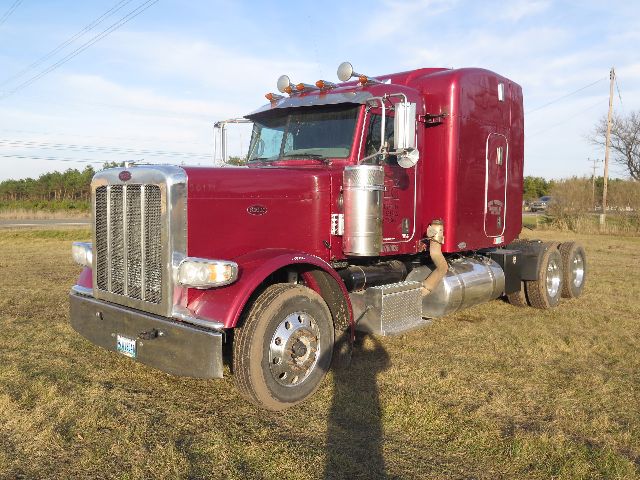
Have used peterbilt conventional sleeper truck to sell? List it here to reach thousands of buyers.
About Used Peterbilt Conventional Sleeper Trucks in Michigan
The biggest buying decisions usually come down to engine, transmission, axle ratings, and sleeper size. Used Peterbilt conventional sleepers commonly show up with Cummins ISX, CAT C15, or Detroit power, paired with 10-speed, 13-speed, or 18-speed manual transmissions, and in some later-spec units, automated manuals. Pay close attention to horsepower and torque ratings, rear axle ratio, and wheelbase, since those specs determine how well the truck fits its intended work. A Michigan buyer may also want to look closely at cold-weather starting performance, bunk heater operation, battery condition, frame and crossmember corrosion, and the condition of air lines, wiring, and suspension components after exposure to road salt and seasonal freeze-thaw cycles.
Sleeper dimensions and interior layout matter more than many first-time buyers expect. A mid-roof sleeper can be a practical fit for regional runs or weight-sensitive operations, while a larger flat-top or stand-up sleeper supports multi-day trips and team driving with more cabinet space and better livability. Peterbilt conventional sleepers are also commonly spec'd with dual aluminum fuel tanks, full fairings, headache racks, deck plates, and premium seating. On the used market, it is smart to inspect the sleeper structure for leaks, check cab mounts and sleeper mounts for wear, and verify that HVAC, APU prep, inverter wiring, and all bunk controls function correctly.
A well-matched used Peterbilt conventional sleeper can still be a strong revenue truck if the spec aligns with the freight. For general van and reefer work, fuel economy and a balanced drivetrain matter most. For livestock, flatbed, or heavier specialized loads, axle capacity, transmission choice, suspension type, and cooling system condition become more important. Buyers comparing listings should look beyond cosmetic appeal and focus on service history, engine overhead records, emissions system status where applicable, tire and brake life, and signs of prior frame, cab, or sleeper repairs. Peterbilt conventional sleeper trucks remain popular because they offer a broad range of specs, recognizable styling, and proven highway performance when bought with the right mechanical scrutiny.
Frequently Asked Questions
What should I look for first when buying a used Peterbilt conventional sleeper truck?
Start with the drivetrain spec and maintenance history. Engine model, horsepower, transmission type, rear axle ratio, and suspension setup should match the freight and terrain the truck will actually run. After that, inspect for oil or coolant leaks, blow-by, frame corrosion, suspension wear, tire condition, brake life, and any signs of prior cab or sleeper damage. On emissions-era trucks, verify the status of the DPF, EGR, and SCR systems and look for records showing those components have been maintained rather than ignored.
Which Peterbilt models are common in the used conventional sleeper market?
Common used Peterbilt conventional sleeper models include the 379, 386, 387, 388, and 389. The 379 and 389 are especially popular with owner-operators who want a traditional long-hood truck, while the 386, 387, and 388 are often seen in fleet or regional applications. Exact sleeper sizes, wheelbases, and drivetrain specs vary widely by original application, so the model number alone does not tell the full story.
Are used Peterbilt sleeper trucks a good choice for long-haul work in Michigan?
They can be, especially when the truck has the right sleeper layout, fuel capacity, and cold-weather readiness. In Michigan, buyers should pay extra attention to rust on frames, battery boxes, brackets, and air tanks, along with heater performance, defroster operation, and the condition of electrical connections exposed to winter conditions. A truck that is clean underneath and starts well in low temperatures can save significant downtime and repair expense.
What sleeper size is best on a used Peterbilt conventional truck?
The best sleeper size depends on route length, driver preference, and payload priorities. Smaller sleepers reduce weight and can work well for regional lanes or occasional overnight use. Larger sleepers provide more storage, better comfort, and more practical living space for multi-day over-the-road runs or team operations. Buyers should also consider interior height, cabinet layout, bunk condition, and whether the HVAC system keeps both the cab and sleeper comfortable.
Do transmission and axle specs matter as much as engine choice on a used Peterbilt sleeper?
Yes. A strong engine does not guarantee the truck will perform well in your operation if the gearing and transmission are wrong. A 13-speed or 18-speed may be more suitable for heavy haul, variable terrain, or specialized freight, while a 10-speed can be effective for standard highway work. Rear axle ratio affects cruise RPM, fuel economy, launch performance, and gradeability, so it should be evaluated together with tire size and engine torque curve.