
Peterbilt Conventional Sleeper Trucks For Sale in New York
Shop Peterbilt conventional sleeper trucks with high-roof cabs, tandem axles, and long-haul specs built for comfort, payload, and uptime.
Learn more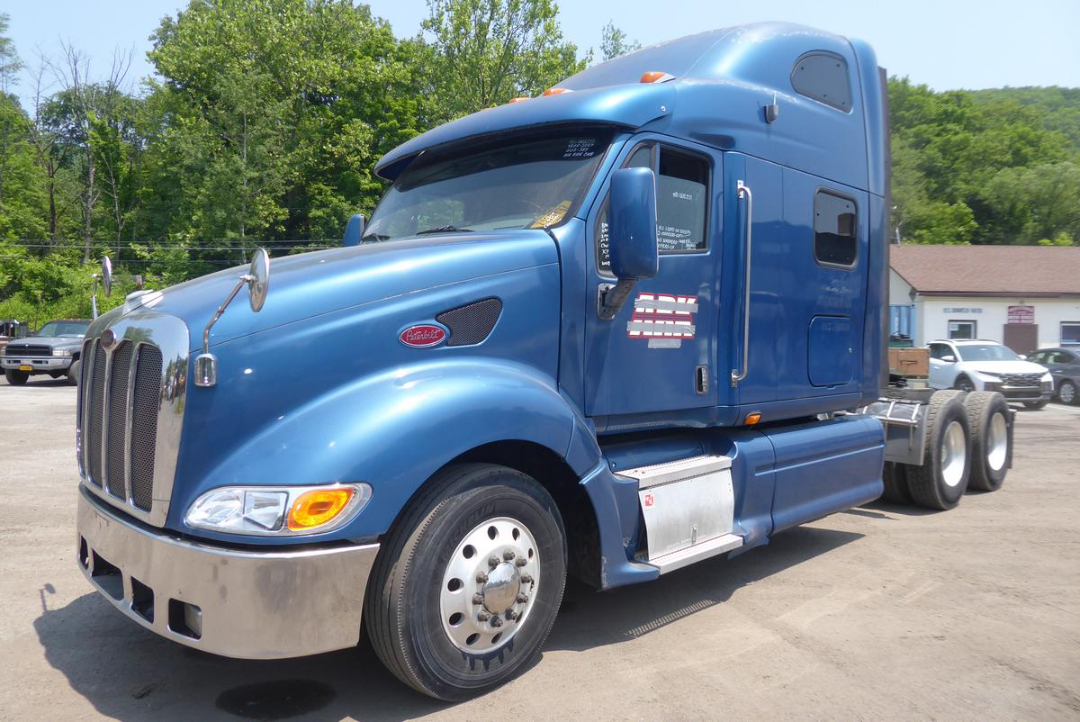
Have peterbilt conventional sleeper truck to sell? List it here to reach thousands of buyers.
About Peterbilt Conventional Sleeper Trucks in New York
The biggest buying decision is the engine and transmission package. Peterbilt conventional sleepers are commonly found with PACCAR MX-13, Cummins ISX, and older Caterpillar C15 engines, often rated from the mid-400 HP range up to 500-plus horsepower depending on application. Manual 10-speed transmissions remain common in used units, though automated manuals are also widely available in later model trucks. Rear axle ratios such as 2.79, 3.08, or 3.36 change how the truck performs on fuel, gradeability, and cruise RPM. A lower numerical ratio generally favors highway fuel economy, while a deeper ratio can make more sense for heavier loads, mountain routes, or lower average speeds.
Sleeper layout and cab spec have a direct effect on driver retention and trip length. Peterbilt's Unibilt sleepers are well known for a quiet ride and practical interior space, especially in high-roof setups with double bunks, bunk heaters, storage cabinets, and stand-up room. Buyers should look closely at wheelbase, cab-to-axle, and fairing package if they need the truck to match existing trailer swing clearances or maximize aerodynamics. Other common items in this category include dual aluminum fuel tanks, power windows, tilt and telescoping steering, engine brakes, and air slide fifth wheels. In northern states like New York, corrosion condition, heater performance, and prior exposure to road salt deserve extra attention during inspection.
For fleet use, a Peterbilt conventional sleeper often appeals to operations that want a premium truck with strong driver acceptance and straightforward parts support. For owner-operators, ride quality, interior finish, and long-hood conventional service access are usually part of the value equation. When comparing listings, focus on emissions system history, idle hours, frame condition, suspension type, brake life, and documented maintenance before getting distracted by cosmetic upgrades. A clean spec with the right sleeper height, axle rating, and powertrain combination will usually matter more than chrome when the truck is expected to stay productive on long-haul or regional freight.
Frequently Asked Questions
What should I look for when buying a used Peterbilt conventional sleeper truck?
Start with the powertrain and maintenance records. Engine model, horsepower, transmission type, axle ratio, and emissions history will tell you more about operating cost than appearance will. Check sleeper size, bunk configuration, wheelbase, and fuel capacity against the lanes you plan to run. On a used Peterbilt sleeper, buyers should also inspect frame rails, suspension bushings, fifth wheel wear, tire condition, brake life, and signs of corrosion, especially on trucks that have spent time in northern climates.
Which engines are common in Peterbilt conventional sleeper trucks?
Common engines in this category include the PACCAR MX-13, Cummins heavy-duty platforms, and older Caterpillar engines such as the C15 in pre-emissions or earlier emissions-era trucks. Horsepower ratings often fall in the 455 to 500 HP range for linehaul applications, though exact specs vary by model year and original buyer order. The right engine depends on your freight weight, terrain, maintenance preference, and whether fuel economy or pulling power is the higher priority.
What sleeper size is best for long-haul work?
For long-haul applications, high-roof sleepers in the 72-inch to 80-inch range are typically the most practical because they provide better storage, more living space, and improved comfort for multi-day trips. Double bunk layouts are common in team service or operations that want added storage flexibility. Smaller sleepers can still work well for regional or short over-the-road routes, but a larger sleeper usually adds value when the truck is expected to stay out for extended periods.
Are Peterbilt conventional sleeper trucks good for fleets and owner-operators?
Yes. Fleets often value Peterbilt sleepers for driver acceptance, highway ride quality, and broad service support, while owner-operators are often drawn to the brand's fit and finish, resale strength, and conventional service access. The key is matching the spec to the job. A fleet focused on fuel economy may prefer an aerodynamic high-roof sleeper with a downsped drivetrain, while an owner-operator hauling heavier freight may prioritize horsepower, gearing, and suspension setup.
How important are axle ratio and wheelbase on a Peterbilt sleeper?
Axle ratio and wheelbase are major spec decisions because they affect fuel economy, maneuverability, driveline performance, and trailer compatibility. Ratios like 2.79 are often chosen for highway efficiency, while 3.36 or similar ratios can be better suited to heavier work or more demanding terrain. Wheelbase influences ride quality and turning radius, and it also needs to fit your trailer setup, kingpin location, and bridge law requirements.