
Peterbilt Conventional Sleeper Trucks For Sale in Missouri
Shop Peterbilt conventional sleeper trucks for long-haul fleets, owner-operators, and regional carriers with premium specs and highway comfort.
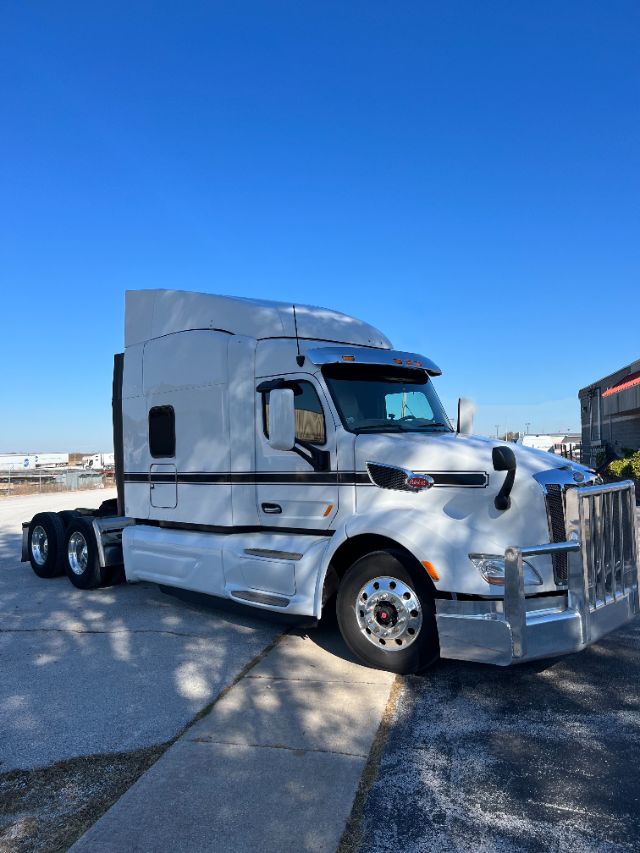
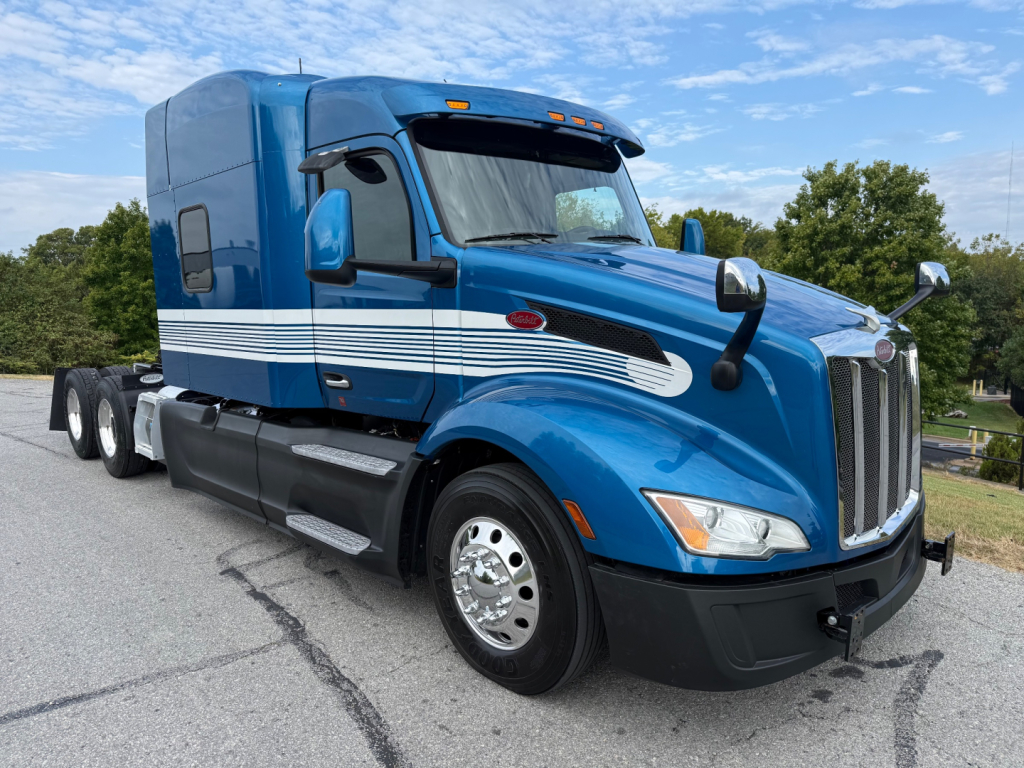

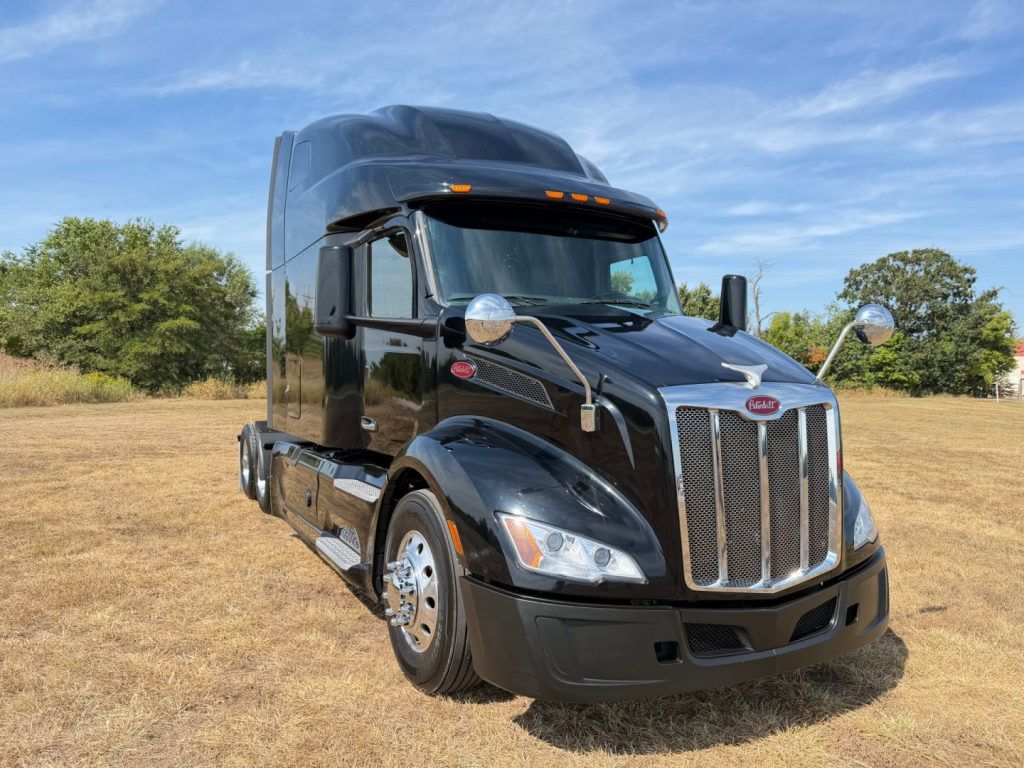

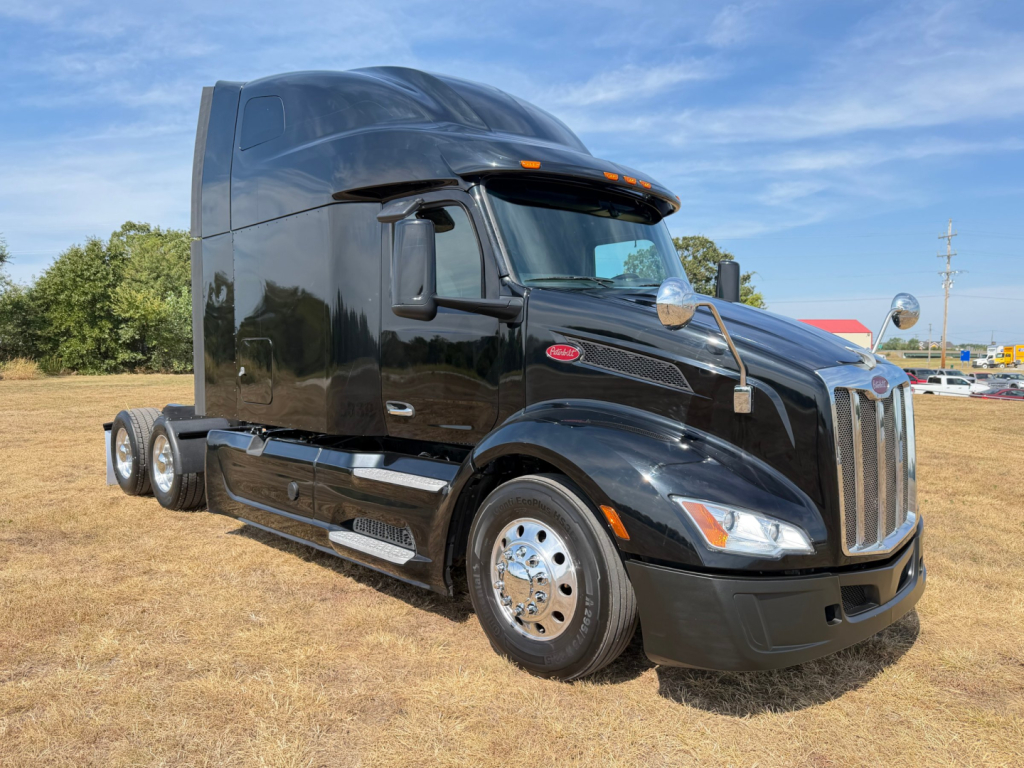
Selling a peterbilt conventional sleeper truck? List your peterbilt conventional sleeper truck for sale and reach thousands of commercial buyers.
Peterbilt Conventional Sleeper Trucks in Missouri
Within the Peterbilt lineup, the 579 is one of the most recognized aerodynamic sleeper platforms, but the broader conventional sleeper category can include different wheelbases, roof heights, and bunk sizes depending on application. Typical specs include a raised-roof sleeper, tandem drive axles, and engines in the 400 to 510 horsepower range, commonly paired with automated manual or 10-, 13-, or 18-speed manual transmissions. Paccar MX engines are common in later-model trucks, while Cummins power remains a priority for buyers who want a broad service network and familiar diagnostics. Axle ratio, fuel capacity, fifth wheel setup, and suspension package all matter if the truck will spend most of its time at 80,000 pounds or work mixed freight with frequent lane changes and tighter terminals.
A good Peterbilt sleeper spec usually comes down to matching the truck to the route. For long-haul dry van and refrigerated service, buyers often look for aerodynamic fairings, larger fuel tanks, collision mitigation, and a sleeper with enough storage and bunk space to improve driver retention. For heavier or more demanding applications, attention shifts to transmission gearing, rear axle capacity, frame rating, and whether the truck has a double frame, full locking differentials, or a more vocationally oriented suspension. Interior condition also matters in this class because miles accumulate quickly, and wear on seats, dash controls, bunk HVAC, and idle management systems can say a lot about how the truck was operated.
When comparing used Peterbilt conventional sleeper trucks, pay close attention to maintenance history, emissions system work, tire condition, brake life, and any documentation on engine rebuilds or aftertreatment repairs. It also helps to review wheelbase, kingpin-to-rear-axle dimensions, and fifth wheel travel if the truck will be assigned to multiple trailer types. Peterbilt remains a strong name in this category because the trucks are driver-friendly, widely recognized, and typically hold value well when spec'd correctly. For many buyers, the right unit is not just the newest truck or the highest horsepower truck. It is the one with the sleeper size, drivetrain, and service history that best match the freight and the miles ahead.
Frequently Asked Questions about Peterbilt Conventional Sleeper Trucks in Missouri
What is the most common Peterbilt conventional sleeper model for highway freight?
The Peterbilt 579 is one of the most common conventional sleeper models in highway service. It is widely used in long-haul and regional applications because it combines aerodynamic design, driver comfort, and a broad range of available powertrain specs. Buyers often choose it for dry van, refrigerated, and general freight operations where fuel economy and driver appeal are important.
What engine options are common in used Peterbilt sleeper trucks?
Used Peterbilt conventional sleepers are commonly equipped with Paccar MX-13 or Cummins engines, depending on model year and original spec. The MX-13 is popular in fleet and owner-operator service for its torque, fuel economy, and integration with Peterbilt systems. Cummins engines remain highly desirable for buyers who prioritize widespread parts availability, independent shop familiarity, and a large service network.
Should I choose a manual or automated transmission in a Peterbilt sleeper truck?
That decision depends on the route, driver pool, and operating style. Automated manual transmissions are common in fleet service because they simplify training, can improve consistency, and are well suited for highway work. Manual transmissions, including 10-, 13-, and 18-speed setups, still appeal to buyers hauling heavier loads, operating in mixed terrain, or wanting more direct gear control.
What should I inspect on a used Peterbilt conventional sleeper before buying?
Key inspection points include maintenance records, engine hours, emissions system history, tire and brake condition, suspension wear, and signs of frame or cab damage. Buyers should also check bunk HVAC operation, sleeper seals, dash electronics, and any fault code history. On higher-mileage trucks, documentation of clutch work, transmission service, injector replacement, and aftertreatment repairs can be as important as the odometer reading.
Why do Peterbilt sleeper trucks hold value well in the resale market?
Peterbilt conventional sleepers tend to hold value because the brand has strong recognition, broad appeal with drivers, and steady demand in the used truck market. Well-maintained units with desirable highway specs, clean interiors, and documented service history are especially competitive. Resale strength is usually best on trucks with practical engine ratings, proven transmissions, and configurations that fit common van and reefer freight.