
Peterbilt Conventional Sleeper Trucks For Sale in Michigan
Shop Peterbilt conventional sleeper trucks in Michigan. Compare sleepers, wheelbases, powertrain specs, axle ratings, and long-haul features.
Learn more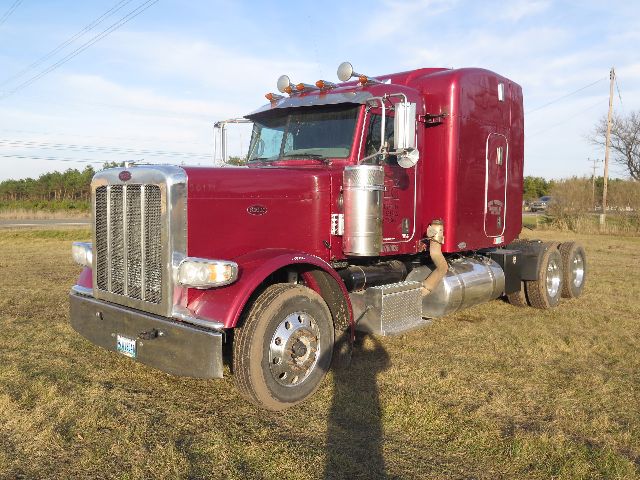
Have peterbilt conventional sleeper truck to sell? List it here to reach thousands of buyers.
About Peterbilt Conventional Sleeper Trucks in Michigan
The biggest buying decision is usually engine and transmission spec. Many Peterbilt sleepers on the used market carry Cummins ISX, Caterpillar C15, or Detroit power, paired with 10-speed, 13-speed, or 18-speed manual transmissions, and in some cases automated manuals. A 400 to 500 horsepower range is common for general freight, while heavier or more specialized applications may justify higher torque ratings, double frame rails, and suspension upgrades. Front axle ratings around 12,000 pounds and tandem rears in the 40,000 pound class are standard on many highway units, but Michigan buyers should also check bridge compliance, tire size, gear ratio, and fifth wheel position if the truck will run state-specific weight laws or mixed regional and long-haul lanes.
Sleeper configuration affects daily usability more than many first-time buyers expect. Mid-roof and stand-up sleepers can vary significantly in storage, bunk layout, cabinet space, and HVAC setup. Fuel capacity is another major factor for a Peterbilt conventional sleeper, with dual aluminum tanks often spec'd for longer range and reduced fuel stops. Look closely at cab and sleeper mounting points, fairings, hood alignment, door fit, and signs of corrosion around the frame, crossmembers, battery boxes, and fuel tank straps, especially on trucks that have spent years in northern climates. Interior wear, idle hours, and the condition of emissions components can be just as important as odometer mileage.
A well-matched Peterbilt conventional sleeper can hold value well because these trucks remain desirable with owner-operators and small fleets. The long hood Peterbilt layout is also known for driver appeal and easier engine access compared with some cab-forward regional designs. For buyers comparing listings, the smartest approach is to match the sleeper size, axle ratings, transmission, and engine family to the freight you actually pull. A clean over-the-road spec with the right gearing and maintenance history will usually outperform a cheaper truck with the wrong drivetrain or a tired sleeper setup.
Frequently Asked Questions
What should I look for first when buying a used Peterbilt conventional sleeper truck?
Start with the powertrain, sleeper size, and axle ratings because those determine whether the truck matches your freight and operating area. Confirm the engine model, horsepower, transmission type, rear axle ratio, and wheelbase before focusing on cosmetic condition. After that, inspect service records, ECM data, emissions system history, tire condition, suspension wear, and signs of frame or cab corrosion. On a conventional sleeper, the fit of the hood, doors, sleeper panels, and fairings can also reveal past damage or hard use.
Are Peterbilt conventional sleeper trucks good for long-haul freight?
Yes. Peterbilt conventional sleepers are widely used in over-the-road service because they combine a roomy cab, strong resale demand, and easy engine access under the hood. They are commonly spec'd for van, reefer, flatbed, and general freight operations. The right truck for long-haul use usually has sufficient fuel capacity, a sleeper with practical storage, highway-friendly gearing, and an engine and transmission combination that fits the loaded weight and terrain you run most often.
What engine and transmission combinations are common in Peterbilt sleeper trucks?
Common engine choices include Cummins ISX, Caterpillar C15, and Detroit diesel platforms, depending on model year and original application. Manual 10-speed and 13-speed transmissions are very common, with 18-speeds appearing in heavier haul or specialized setups, and some later trucks may have automated manuals. A 400 to 500 horsepower rating covers many general freight applications, but torque output and rear axle gearing matter just as much as peak horsepower when evaluating pulling ability and fuel economy.
Does Michigan use affect what I should inspect on a Peterbilt sleeper?
Yes. Michigan buyers should pay close attention to corrosion and winter-related wear. Inspect the frame rails, crossmembers, cab mounts, battery boxes, fuel tank straps, air tanks, brake components, and electrical connections for rust or road salt damage. It is also smart to verify suspension condition, kingpins, bushings, and driveline wear if the truck has seen rough seasonal roads or heavy regional use. A truck can look good from a distance and still need significant undercarriage work.
Why do Peterbilt conventional sleepers hold value well on the used market?
They tend to hold value because Peterbilt has strong brand recognition, broad parts support, and steady demand from owner-operators and fleets. Many buyers specifically want the conventional hood design, aluminum cab styling, and familiar service access. Resale is usually strongest on trucks with desirable engine families, clean maintenance records, practical sleeper layouts, and standard highway specs that appeal to a broad range of buyers.