
Mack Conventional Sleeper Trucks For Sale in New York
Browse Mack conventional sleeper trucks with common specs, sleeper sizes, axle setups, engine options, and long-haul buying insights.
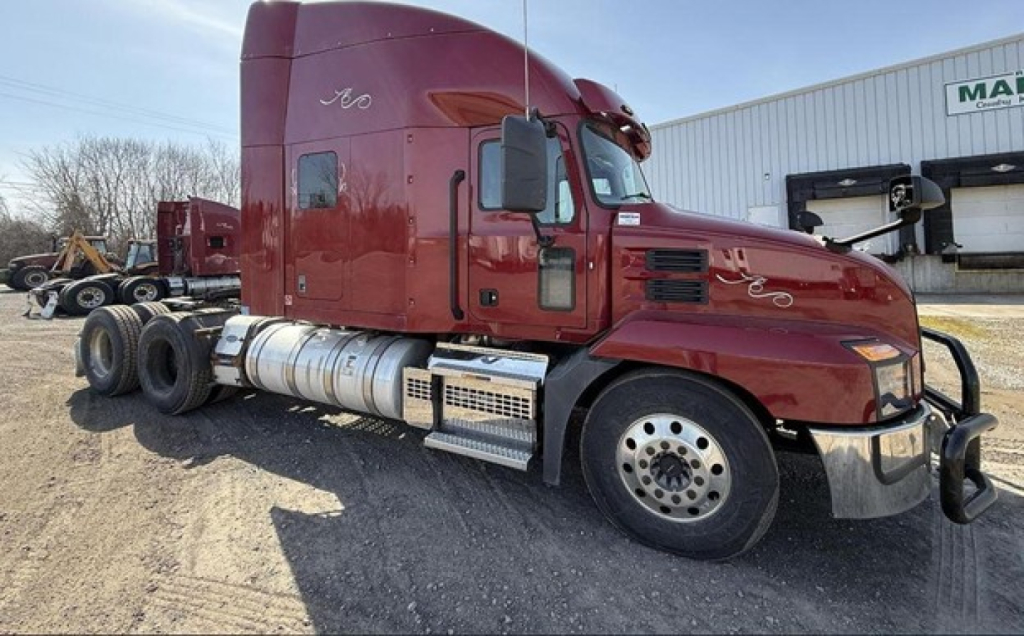
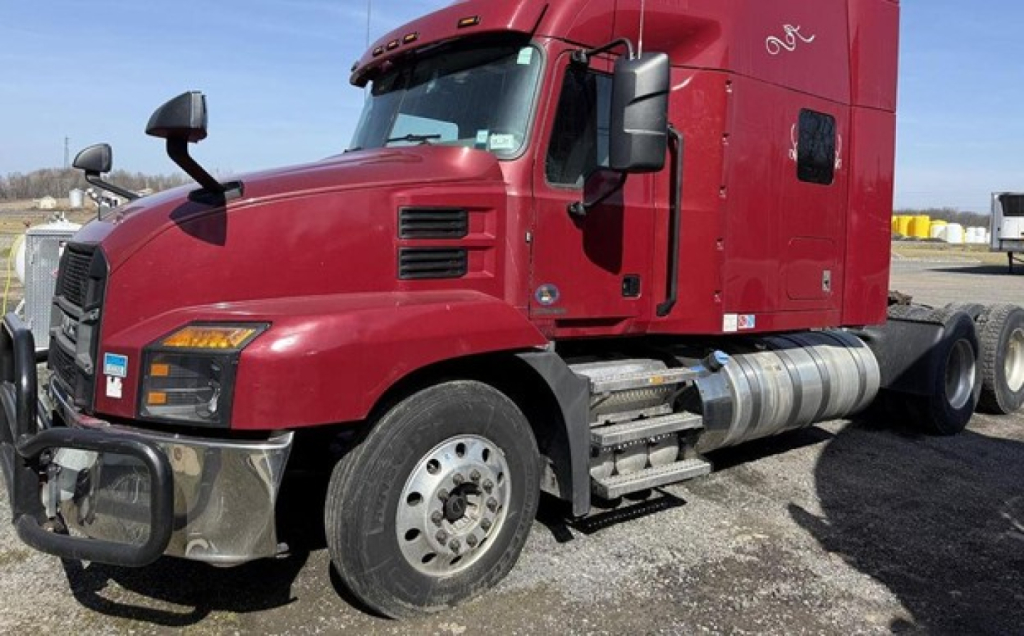
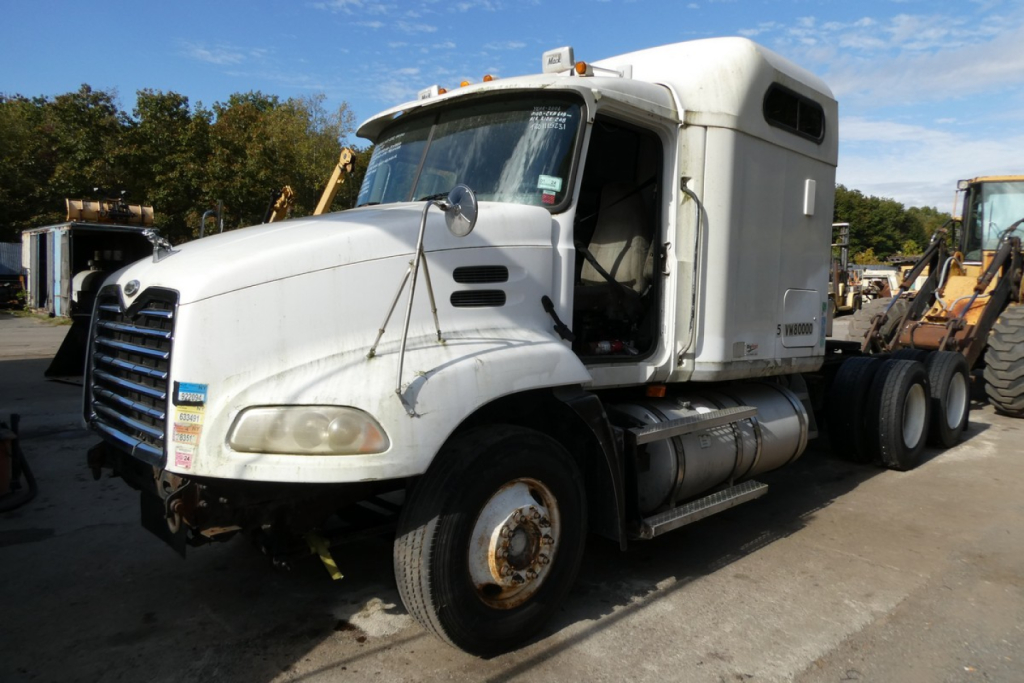
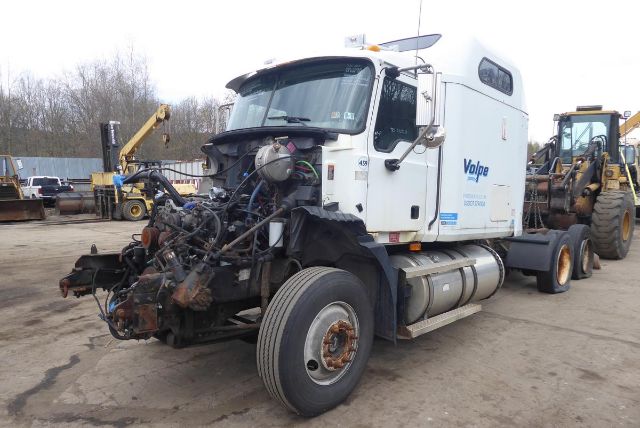
Selling a mack conventional sleeper truck? List your mack conventional sleeper truck for sale and reach thousands of commercial buyers.
Mack Conventional Sleeper Trucks in New York
A lot of the buying decision comes down to the powertrain. Mack sleeper conventionals from this era are commonly equipped with Mack E7 or AC-series engines, often in the 330 to 460 horsepower range, paired with Fuller manual or automated manual transmissions. Rear axle ratings around 40,000 pounds are common on tandem units, with front axles typically rated at 12,000 pounds. Ratios such as 3.70 or 3.90 are typical and can tell you a lot about the truck's intended use, cruise RPM, and startability under load. Suspension choices like Mack air ride or 4-bag air ride setups are worth close attention because they affect ride quality, traction, and maintenance cost over time.
Sleeper size and roof profile are just as important as engine specs if the truck is going to stay on the road for more than a day at a time. Mack conventional sleepers are often found with 42-inch flat top sleepers for shorter regional runs or 65-inch to 66-inch mid-roof sleepers for longer trips and better driver living space. Wheelbase, cab-to-axle, and fifth wheel setup also matter, especially if the truck will be matched to a specific trailer length, kingpin setting, or bridge law requirement. Buyers in New York and the Northeast often pay extra attention to wheelbase, turning radius, corrosion exposure, and how the truck is spec'd for tighter terminals, older industrial areas, and variable weather.
Condition varies widely in this category, so a careful spec review is critical. On used Mack conventional sleeper trucks, check frame condition, air system integrity, suspension wear, engine brake operation, transmission history, and evidence of rust around cab mounts, crossmembers, and battery boxes. Confirm sleeper HVAC function, look at tire size and wheel type, and verify whether the truck has an air slide fifth wheel, headache rack, or any modifications that affect resale or application fit. A well-matched Mack conventional sleeper can still be a strong value for buyers who want a highway tractor with a reputation for toughness and a chassis built to work.
Frequently Asked Questions about Mack Conventional Sleeper Trucks in New York
What are the most common engine and transmission options in Mack conventional sleeper trucks?
Many Mack conventional sleeper trucks are equipped with Mack E7 or AC-series diesel engines, usually rated from the mid-300 horsepower range up to around 460 horsepower depending on year and spec. Transmissions are often Fuller 10-speed, 13-speed, or automated manual units. This combination is common because it offers broad parts support, familiar service procedures, and gearing options that fit both regional and over-the-road freight applications.
What sleeper size should a buyer look for in a Mack conventional sleeper truck?
Sleeper size depends on route length and driver needs. A 42-inch flat top sleeper is usually enough for shorter regional or occasional overnight work, while a 65-inch or 66-inch mid-roof sleeper gives more storage and livability for longer trips. Buyers should also consider roof profile, mattress space, HVAC performance, and whether the added sleeper length affects wheelbase requirements or trailer swing clearance.
Are Mack conventional sleeper trucks good for long-haul freight?
Yes, many Mack conventional sleeper trucks are well-suited for long-haul service, especially tandem axle 6x4 models with higher horsepower engines, air ride suspension, and larger mid-roof sleepers. They are commonly used in dry van, reefer, flatbed, and tanker operations. The key is matching axle ratio, wheelbase, sleeper size, and transmission type to the lane, terrain, and gross combination weight the truck will regularly handle.
What should buyers inspect first on a used Mack conventional sleeper truck?
Start with the engine, transmission, rear ends, frame, and suspension because those components drive the biggest repair costs. After that, inspect rust-prone chassis areas, air system leaks, brake wear, steering play, and fifth wheel condition. On sleeper models, confirm that the bunk HVAC, cab mounts, seals, and interior electrical functions are working properly, since those issues can be expensive and time-consuming to correct.
Which axle configuration is most common in this category?
The most common axle configuration in Mack conventional sleeper trucks is a tandem axle 6x4, especially for highway tractors intended to pull standard semitrailers at higher gross weights. Single axle 4x2 versions also exist, but they are more specialized and usually better suited to lighter loads, RV hauler conversions, or niche operations where lower empty weight and tighter maneuverability matter more than maximum traction and capacity.