
Mack Conventional Sleeper Trucks For Sale in Iowa
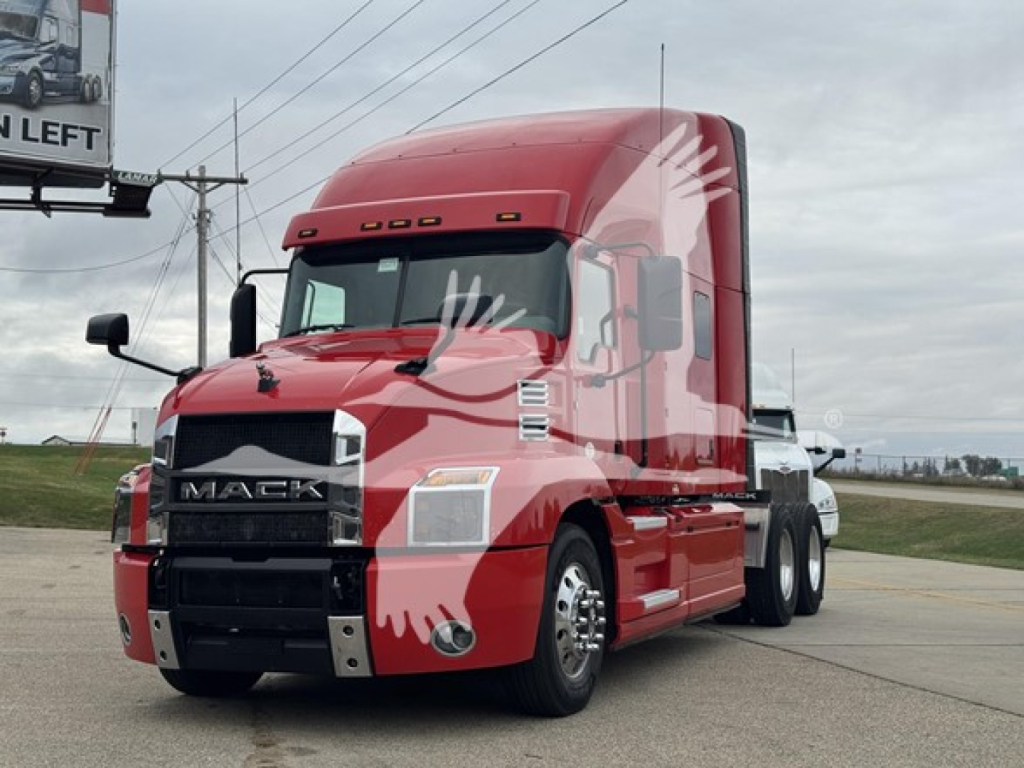
Shop Mack conventional sleeper trucks with Anthem specs, MP engines, aerodynamic cabs, and long-haul features built for regional and OTR work.
Learn more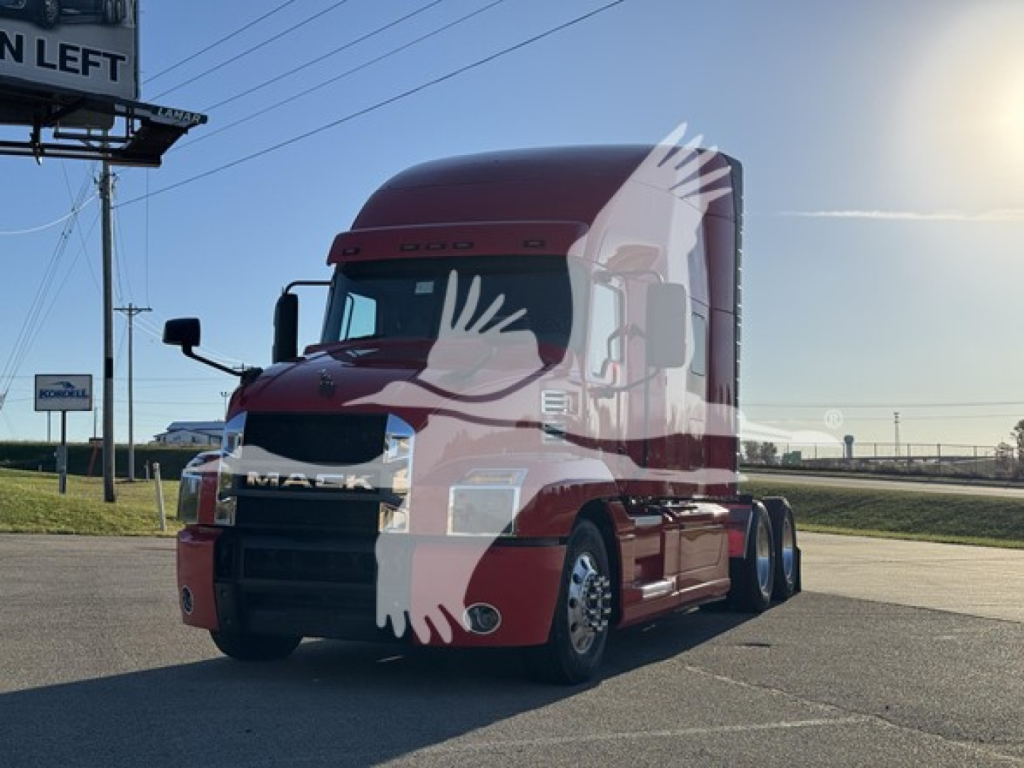
Have mack conventional sleeper truck to sell? List it here to reach thousands of buyers.
About Mack Conventional Sleeper Trucks in Iowa
For buyers comparing sleeper tractors, the core decisions usually come down to power rating, sleeper size, wheelbase, axle configuration, and drivetrain spec. A common Mack highway setup is a 6x4 tandem axle tractor with a raised-roof sleeper, dual fuel tanks, and a ratio selected for interstate speed and low engine RPM. Many units are equipped with disc brakes, collision mitigation and stability systems, and integrated controls that simplify driver operation. On the sleeper side, features like double bunks, auxiliary heaters, inverters, and storage layout can make a real difference for teams or for drivers spending several nights out.
Mack conventional sleepers are known for their integrated design, which is a real advantage when maintenance planning and uptime are priorities. Engine, transmission, and software calibration are designed to work together, and that often translates into predictable drivability and easier diagnostics compared with mixed-component specs. Buyers in Iowa and across the Midwest often pay close attention to cold-weather features such as engine heaters, bunk heaters, battery capacity, and fairing condition, especially for trucks running year-round. Fuel capacity, usually in the 200-plus gallon range on highway tractors, also matters if the truck will be used on longer irregular routes.
A smart evaluation starts with the application. For van, reefer, and general freight, an aerodynamic Mack sleeper with an MP8 and automated transmission is usually aimed at efficiency and driver retention. For heavier pulls or more demanding terrain, horsepower, torque rating, and suspension spec deserve a closer look. Check the sleeper condition, emissions service history, brake type, tire wear pattern, and any active safety features, then compare those against your lane profile and maintenance strategy. A Mack conventional sleeper is best judged as a complete package, not just by engine rating alone.
Frequently Asked Questions
What engine and transmission are common in Mack conventional sleeper trucks?
Many Mack conventional sleeper trucks, especially Anthem models, are spec'd with the Mack MP8 diesel engine and the mDRIVE automated manual transmission. Horsepower commonly falls in the mid-400 range for fuel-efficient highway service, though higher ratings are available for heavier applications. This integrated Mack powertrain is a major selling point because the engine, transmission, and software are calibrated to work together for smooth shifting, steady cruise performance, and simplified diagnostics.
Are Mack conventional sleeper trucks good for long-haul use?
Yes. Mack conventional sleepers are designed for regional and over-the-road service where aerodynamics, cab comfort, and fuel economy are important. Raised-roof and double-bunk sleeper configurations give drivers more living space, and common features like inverters, bunk heaters, and steering wheel controls support multi-day trips. Their highway gearing and aerodynamic package also make them well suited to dry van, reefer, and general freight lanes.
What should I look for when buying a used Mack sleeper tractor?
Focus on the full operating spec, not just the model year or horsepower. Review engine hours, mileage, emissions system history, transmission performance, axle ratio, brake type, and suspension condition. Inspect the sleeper for bunk condition, HVAC operation, auxiliary heater function, and signs of water intrusion. It is also smart to check tire wear, fairings, fuel tank condition, and whether the truck has active safety systems such as stability control or collision mitigation.
How important is axle ratio on a Mack conventional sleeper?
Axle ratio has a direct impact on fuel economy, cruise RPM, startability, and grade performance. A numerically lower ratio, such as a highway-oriented setup, helps reduce engine speed at interstate cruising speeds and can improve fuel efficiency on flatter lanes. A numerically higher ratio may be better for heavier loads, frequent starts, or more demanding terrain. The right choice depends on gross weight, trailer type, average speed, and how much time the truck spends on hills versus open highway.
Do Mack sleeper trucks hold up well in Midwest operation?
They are generally well suited for Midwest fleets because they combine highway efficiency with a durable chassis and integrated drivetrain. For Iowa and surrounding states, cold-weather details matter. Buyers should pay attention to engine heaters, bunk heaters such as ESPAR units, battery and charging system condition, and the state of fairings and seals after winter use. A truck with the right winter-ready spec can be easier to keep productive through long cold seasons.