
Used Freightliner Conventional Sleeper Trucks For Sale in Kansas
Browse used Freightliner conventional sleeper trucks in Kansas. Compare Cascadia specs, engine options, sleepers, wheelbase, and drivetrain setups.
Learn more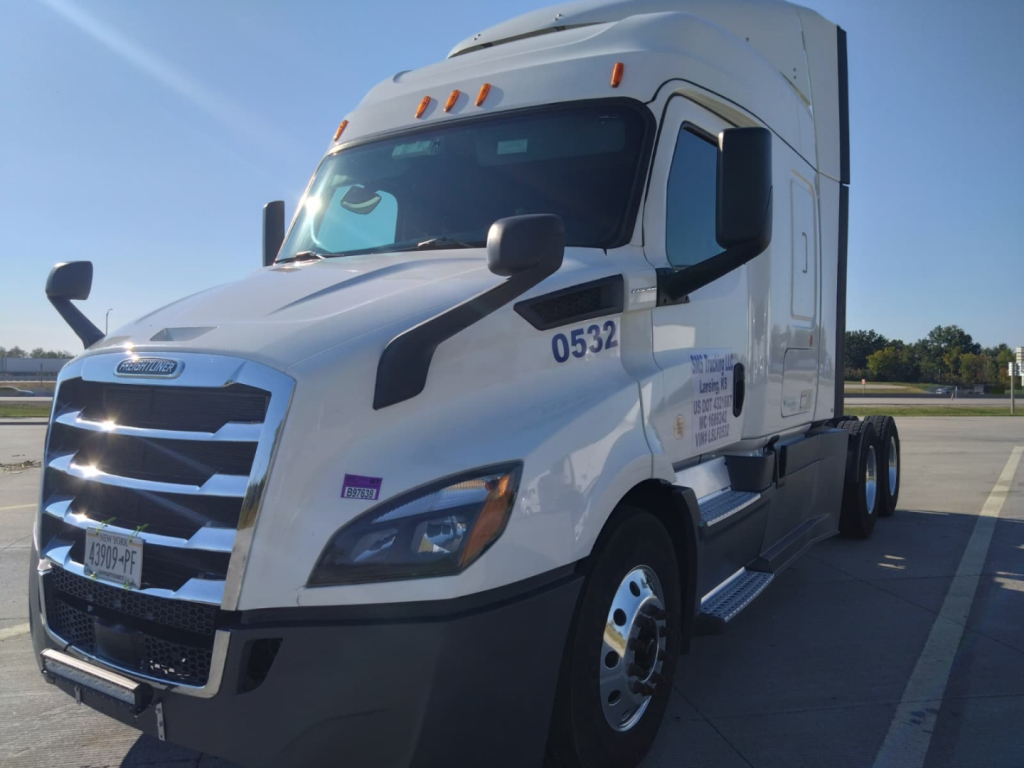
Have used freightliner conventional sleeper truck to sell? List it here to reach thousands of buyers.
About Used Freightliner Conventional Sleeper Trucks in Kansas
The first decision usually comes down to engine, transmission, and axle configuration. Many used Freightliner sleepers are spec'd with Detroit power, commonly the DD13 or DD15, paired with a Detroit automated manual transmission, though manual transmissions are still found in some fleets and owner-operator specs. A 6x4 drivetrain is the most common setup for general over-the-road use because it gives better traction and versatility under load. Buyers should compare horsepower and torque ratings, rear axle ratios, wheelbase, and gross vehicle weight rating against the freight they intend to pull. A truck set up for van freight may be very different from one spec'd for heavier regional work or higher average payloads.
Sleeper size and cab spec have a direct impact on driver retention and trip efficiency. Freightliner conventional sleeper trucks are commonly equipped with mid-roof or raised-roof sleepers, with layouts that may include a single bunk, double bunk, refrigerator prep, storage cabinets, and auxiliary power features. Aerodynamics matter too, especially for fleets trying to control fuel cost across Kansas and neighboring state routes. Fairings, roof profile, tire spec, and idle-management equipment all influence operating cost over time. On the used market, it is smart to evaluate emissions system history, maintenance records, mileage, aftertreatment performance, and any signs of excessive idle time, along with the condition of the fifth wheel, suspension, brakes, and steer tires.
Freightliner remains popular because parts availability, dealer support, and technician familiarity are strong in most trucking corridors. That can reduce downtime compared with less common platforms. A well-matched used Freightliner sleeper should be judged less by model year alone and more by its maintenance discipline, original application, and current spec. For many buyers, the best truck is the one with the right sleeper configuration, powertrain, wheelbase, and axle setup for the lanes it will actually run, not just the one with the lowest mileage.
Frequently Asked Questions
What is the most common Freightliner conventional sleeper model on the used market?
The Freightliner Cascadia is the most common conventional sleeper truck on the used market. It is widely used in over-the-road and regional service because it combines aerodynamic design, broad parts support, and common powertrain options like the Detroit DD13 and DD15. Its popularity also means buyers usually have more choices in sleeper size, wheelbase, drivetrain, and trim level than with less common models.
Is a DD13 or DD15 better in a used Freightliner sleeper truck?
The right engine depends on application. A DD13 can be a strong fit for lighter freight, fuel-conscious regional operations, and buyers focused on lower tare weight. A DD15 is often preferred for heavier loads, longer highway runs, and applications where extra torque matters. On a used truck, engine condition, maintenance history, and fault code history are usually more important than choosing between these two engines on name alone.
Why is a 6x4 drivetrain so common on used sleeper tractors?
A 6x4 configuration is common because it gives better traction and more flexibility across changing road and weather conditions, especially for loaded highway use. It is a practical setup for buyers pulling van, reefer, or flatbed freight over mixed terrain. While lighter axle configurations can improve fuel economy in some operations, 6x4 remains the standard choice for broad-use sleeper tractors because it handles more applications without limiting where the truck can work.
What should I inspect first on a used Freightliner sleeper truck?
Start with the maintenance records, engine hours, and emissions system history. After that, inspect the aftertreatment components, transmission operation, suspension wear, brake condition, tire wear pattern, and fifth wheel condition. Inside the cab and sleeper, check for signs of hard use, water leaks, inoperative HVAC, or electrical problems. A used sleeper tractor should also be evaluated for how it was originally spec'd, because axle ratio, wheelbase, and sleeper layout affect resale value and day-to-day usability just as much as mileage.
Are Freightliner sleeper trucks a good fit for Kansas-based operations?
Freightliner conventional sleeper trucks are generally a strong fit for Kansas because they are built for highway efficiency and are easy to support across major freight corridors. Kansas operations often involve long interstate miles, regional distribution, agricultural freight, and variable weather, so a sleeper tractor with good aerodynamics, a proven powertrain, and dependable parts availability is a practical choice. The best fit depends on lane length, average payload, and whether the truck will stay mostly in-state, run the Midwest, or operate nationwide.