
Freightliner Conventional Sleeper Trucks For Sale in New Jersey
Shop Freightliner conventional sleeper trucks in New Jersey. Compare Cascadia specs, sleeper sizes, engines, transmissions, and fleet-ready features.
Learn more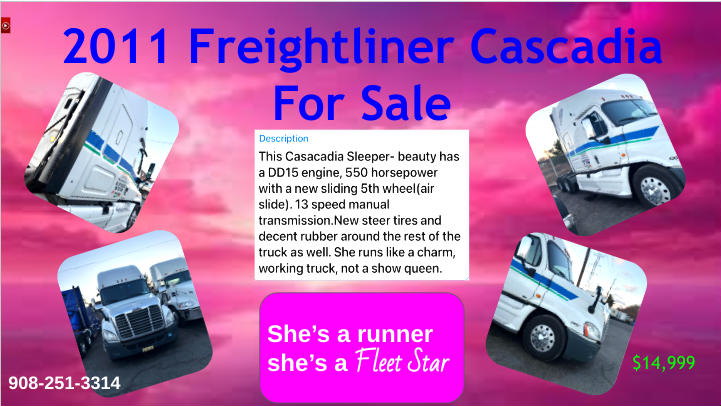
Have freightliner conventional sleeper truck to sell? List it here to reach thousands of buyers.
About Freightliner Conventional Sleeper Trucks in New Jersey
A typical Freightliner sleeper spec in this category includes a raised-roof cab, single or double bunk sleeper, air ride suspension, aerodynamic side fairings, and a tandem axle setup rated for highway gross combinations up to 80,000 pounds. Common engine pairings include Detroit power in the 400 to 505 horsepower range, often matched to a 10-speed, 12-speed automated manual, or 13-speed manual transmission depending on age and application. Buyers comparing listings should pay close attention to sleeper size, fuel capacity, fifth wheel configuration, and whether the truck is set up for dry van, reefer, flatbed, or heavier vocational-adjacent highway work. A sliding fifth wheel, double frame, engine brake, and APU can materially change how well a truck fits the job.
Condition matters more than brand reputation once a sleeper truck is in the secondary market. For a used Freightliner conventional sleeper, key checkpoints include emissions system history, idle hours, overhead or in-frame status, suspension wear, brake and drum percentages, tire condition, and signs of frame or fairing damage from previous service. Interior wear also tells a lot about how the truck was maintained. Look closely at bunk area condition, seat air suspension function, HVAC performance, window and lock operation, and any evidence of water intrusion around roof seams or sleeper panels. If the truck has a Detroit engine, many buyers also want a clear record of software updates, aftertreatment repairs, and recent maintenance intervals.
Freightliner sleeper tractors appeal to fleets and owner-operators because they are widely spec'd, easy to match with standard van and reefer operations, and available in configurations ranging from basic fleet sleepers to more comfort-oriented long-haul setups. The right truck depends on route length, payload profile, and how much downtime risk you can tolerate. A 72-inch double bunk with larger fuel tanks and an APU suits teams or extended over-the-road work, while a simpler mid-roof or shorter sleeper may be a better fit for dedicated regional lanes with regular home time. When comparing Freightliner conventional sleeper trucks for sale, the best value usually comes from a truck with a documented maintenance history, a sensible drivetrain spec, and a sleeper layout that matches the freight pattern.
Frequently Asked Questions
What is the most common Freightliner conventional sleeper truck model?
The Freightliner Cascadia is the most common conventional sleeper model on the market. It is widely used in long-haul and regional service because it combines aerodynamic design, broad parts support, and familiar Detroit powertrain options. Its popularity also helps used buyers because service information, replacement components, and technician experience are generally easier to find than with less common sleeper tractors.
What sleeper size should I look for in a Freightliner conventional sleeper?
Sleeper size should match route length and driver needs. A 60-inch to 72-inch sleeper is common for over-the-road work, with double bunk setups favored by team operations or fleets that want more flexibility. A larger sleeper usually improves comfort and storage, but it also adds weight and length, which can matter in tighter Northeast terminals and urban delivery corridors.
Which specs matter most when buying a used Freightliner sleeper truck?
The most important specs are engine rating, transmission type, rear axle ratio, sleeper size, fuel capacity, wheelbase, and fifth wheel setup. Buyers should also verify suspension type, brake condition, tire percentages, emissions system service history, and whether the truck has features like an APU, engine brake, air ride seats, and aerodynamic fairings. Those details affect operating cost, driver acceptance, and how easily the truck fits your trailer mix and lanes.
Are Freightliner conventional sleeper trucks good for New Jersey and Northeast freight?
Yes, they are a common fit for New Jersey and Northeast operations, especially in van and reefer service. The key is choosing a configuration that balances highway efficiency with maneuverability. In this region, a buyer should pay attention to wheelbase, visibility, turning radius, corrosion exposure, and how the truck performs in stop-and-go traffic, toll road use, and crowded customer yards.
What should I inspect first on a used Freightliner conventional sleeper?
Start with maintenance records, engine and aftertreatment history, mileage versus engine hours, and any evidence of major repairs. Then inspect the frame, suspension, brakes, tires, sleeper interior, HVAC, bunk area, fairings, and electrical accessories. On a highway sleeper tractor, emissions repairs, coolant leaks, air system issues, and poor cab or sleeper condition can quickly turn a lower purchase price into a higher total cost of ownership.