
Freightliner Conventional Sleeper Trucks For Sale in Missouri
Browse Freightliner conventional sleeper trucks with Cascadia specs, DD15 power, raised-roof sleepers, and long-haul highway configurations.
Learn more
Have freightliner conventional sleeper truck to sell? List it here to reach thousands of buyers.
About Freightliner Conventional Sleeper Trucks in Missouri
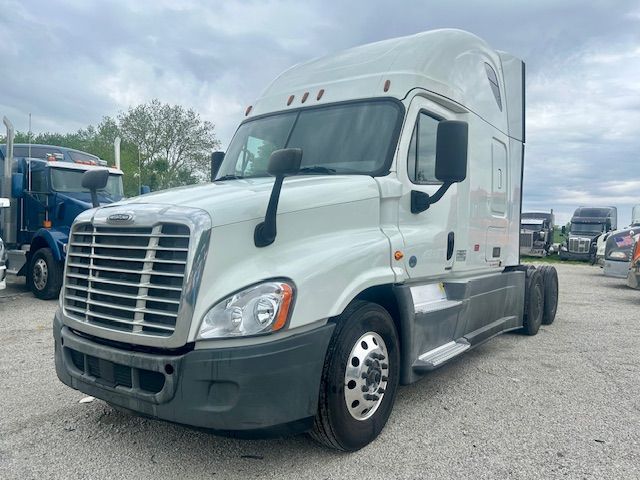
A typical Freightliner sleeper tractor in this class is a 6x4 tandem axle setup with a 72-inch sleeper, air ride suspension, fairings, and a sliding fifth wheel. Detroit DD15 engines are especially common, often matched to either a DT12 automated manual or an Eaton-Fuller manual transmission. That combination is popular for good reason: the DD15 has a strong track record in linehaul service, broad dealer support, and torque suited to van, reefer, and general freight work. Gear ratio matters more than many buyers expect. A tall ratio such as 2.28 favors fuel mileage on flat interstate runs, while something like 3.25 is more versatile for heavier gross weights, hillier routes, and lower-speed operation.
The sleeper itself deserves close attention because not all highway specs are equal. Raised-roof and double-bunk layouts are common in this category, but the right interior depends on team use, length of haul, and how much time the truck will spend away from the terminal. Wheelbase also changes how the truck works. A 225-inch to 230-inch wheelbase is common on fleet-style sleepers and usually balances ride quality, trailer swing clearance, and weight distribution. Buyers should also check front axle rating, rear axle rating, tire size, fairing condition, and whether the truck has air ride cab, heated mirrors, engine brake, and aluminum wheels, since those details affect daily operating cost and driver acceptance.
For used Freightliner conventional sleepers, the key buying decision is less about the badge and more about the spec match. A truck set up for light van freight can be a poor fit for heavier reefer or mixed-route work if the ratio, transmission, and axle ratings are wrong. Service history on the DD15, emissions system condition, transmission operation, and overall cab and sleeper wear should all be reviewed closely. Freightliner remains a strong choice in this category because the platform is familiar to fleets, drivers, and independent shops, which helps with uptime and resale. Also known as a sleeper tractor or highway sleeper truck, this equipment class is designed for buyers who need a road tractor that can stay productive on long miles without giving up driver comfort.
Frequently Asked Questions
What is the most common engine in a Freightliner conventional sleeper truck?
The Detroit DD15 is one of the most common engines found in Freightliner conventional sleeper trucks, especially Cascadia models used in linehaul service. It is popular because it offers a broad horsepower range, strong low-end torque, and widespread parts and service support. For many buyers, the DD15 is a practical choice for dry van, reefer, and general freight applications where uptime and serviceability matter as much as fuel economy.
Is an automated transmission or a manual better in a Freightliner sleeper tractor?
It depends on the operation, driver pool, and route profile. A DT12 automated manual is often preferred in fleet and highway use because it can improve driver consistency, reduce fatigue, and simplify training. A 10-speed manual still appeals to some buyers who want direct driver control, lower acquisition cost, or a familiar setup for mixed terrain. The better choice is the one that matches your drivers, maintenance support, and freight lanes.
What sleeper size is common on a Freightliner conventional sleeper?
A 72-inch sleeper is a very common configuration in this category because it gives a good balance of comfort, storage, and overall tractor length. Raised-roof sleepers are common for solo over-the-road use, while double-bunk layouts are better suited to team operations or carriers that keep drivers out for extended periods. The right sleeper size depends on how long the truck stays on the road and how much living space the operation requires.
How important is gear ratio on a used Freightliner sleeper truck?
Gear ratio is one of the most important specs on a highway tractor because it directly affects cruise rpm, fuel economy, launch performance, and gradeability. A numerically lower ratio such as 2.28 is geared more toward fuel-efficient interstate work, while a higher ratio such as 3.25 provides better pulling power for heavier loads, more stop-and-go operation, or rolling terrain. Buyers should match the ratio to the truck’s intended freight and average operating speed instead of judging the truck on mileage alone.
What should buyers inspect on a used Freightliner conventional sleeper truck?
The most important areas to inspect are engine and emissions history, transmission performance, axle ratings, suspension condition, fifth wheel wear, and cab and sleeper condition. On Freightliner sleepers with DD15 power, buyers should pay close attention to maintenance records, fault history, and how the engine runs under load. It is also smart to inspect fairings, mirrors, tire wear, brakes, and interior components because linehaul trucks can accumulate high mileage quickly, and cosmetic neglect sometimes points to broader maintenance habits.