
Freightliner Conventional Sleeper Trucks For Sale in Michigan
Shop Freightliner conventional sleeper trucks in Michigan. Compare specs, sleeper sizes, Detroit power, drivetrain options, and road-ready features.
Learn more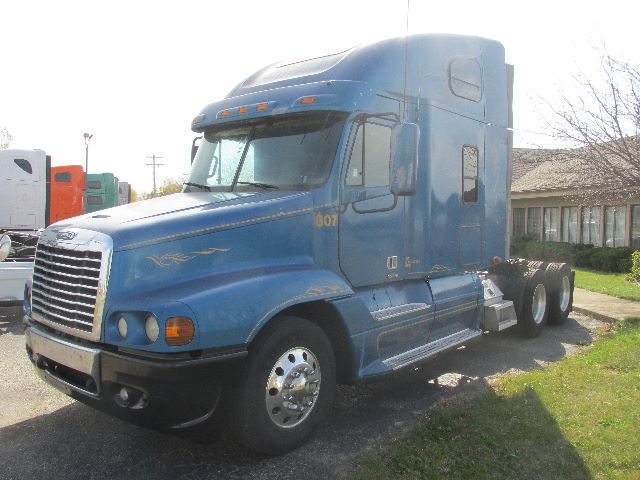
Have freightliner conventional sleeper truck to sell? List it here to reach thousands of buyers.
About Freightliner Conventional Sleeper Trucks in Michigan
The main buying decisions usually come down to engine, transmission, rear ratio, sleeper layout, and chassis spec. Many used Freightliner conventional sleepers are equipped with Detroit diesel engines in ratings that commonly fall in the 400 to 500 horsepower range, often paired with 10-speed or 13-speed Eaton manual transmissions or automated options on newer trucks. Tandem axle configurations, air ride suspension, sliding fifth wheels, and 12,000 lb front axles with 40,000 lb rears are typical road specs for general freight. Fuel capacity, wheelbase, fairings, and overdrive gearing all affect how the truck fits linehaul, reefer, van, or flatbed work. A 3.42 ratio, for example, is a familiar spec for highway fuel economy, but buyers pulling heavier loads or running more secondary roads may want to compare that against gearing built for startability and grade performance.
Sleeper configuration deserves close attention because it directly affects resale and driver retention. Freightliner conventional sleepers are commonly found with mid-roof or raised-roof sleepers, single-bunk or double-bunk layouts, and features such as APUs, inverters, storage cabinets, and optimized HVAC setups. For teams or operators staying out for extended periods, a double-bunk sleeper and auxiliary power can make a real difference in idle time, comfort, and compliance with anti-idling rules. Buyers should also inspect cab and sleeper mounts, air ride cab components, HVAC performance, seals, and bunk condition, especially on higher-mile units that have spent years in over-the-road service.
Condition matters as much as brand and model. On a used Freightliner sleeper, pay close attention to blow-by, dyno results, injector history, emissions system repairs, brake condition, tire age, recap quality, suspension wear, and signs of frame corrosion from winter road treatment common in the Midwest. A strong spec sheet is useful, but service records, DOT readiness, and evidence of consistent maintenance usually tell the real story. For buyers comparing multiple Freightliner conventional sleeper trucks for sale, the best value is often the truck with a proven drivetrain, a practical sleeper setup, and specs that match the freight it will actually haul.
Frequently Asked Questions
What are the most important specs to compare on a used Freightliner conventional sleeper truck?
Start with the engine rating, transmission type, rear axle ratio, axle ratings, wheelbase, and sleeper size. Those specs determine how the truck performs with your freight, what trailers it can handle comfortably, and how efficient it will be on your routes. Buyers should also compare fuel capacity, suspension type, fifth wheel setup, emissions equipment history, and whether the truck has features like an APU, fairings, and an engine brake.
Are Freightliner sleeper trucks a good fit for long-haul operations in Michigan?
Yes, Freightliner conventional sleepers are a strong fit for Michigan-based long-haul and regional work because they are common, widely supported, and available in many highway-oriented specs. Parts availability and service access are major advantages for trucks running regular interstate lanes or cross-border freight. In colder climates, buyers should pay extra attention to starting performance, HVAC function, battery condition, and corrosion on the frame, cab, and suspension components.
Which Freightliner sleeper models are most common on the used market?
Common Freightliner conventional sleeper models on the used market include the Century, Columbia, and Cascadia. Older Century and Columbia trucks are often valued for mechanical simplicity and lower acquisition cost, while Cascadia models are typically associated with newer aerodynamics, improved driver amenities, and fuel economy gains. The right choice depends on budget, emissions preference, and how modern you want the cab, sleeper, and electronics package to be.
Is a double-bunk sleeper worth it on a used conventional truck?
A double-bunk sleeper is often worth the extra space if the truck will be used for team driving, longer trips, or extended time away from home. It can improve driver comfort and make the truck more flexible for future applications or resale. For solo operations, a smaller sleeper may be enough, but buyers should still look closely at storage, bunk condition, insulation, and climate control because those factors affect daily usability more than floorplan alone.
What should I inspect before buying a used Freightliner conventional sleeper?
Inspect the engine for blow-by, leaks, cold-start behavior, and repair history, especially injectors and emissions-related components. Check transmission operation, clutch condition on manual trucks, suspension wear, brake measurements, tire condition, and signs of uneven wear that could point to alignment or suspension problems. In the cab and sleeper, verify that the air conditioning, bunk HVAC, gauges, windows, seats, and electrical accessories work correctly, and look underneath for rust or scaling that may be more common on trucks exposed to Midwest winter roads.