
Freightliner Conventional Sleeper Trucks For Sale in Indiana
Shop Freightliner conventional sleeper trucks in Indiana. Compare Cascadia and Coronado specs, sleeper sizes, drivetrain options, and buyer tips.
Learn more
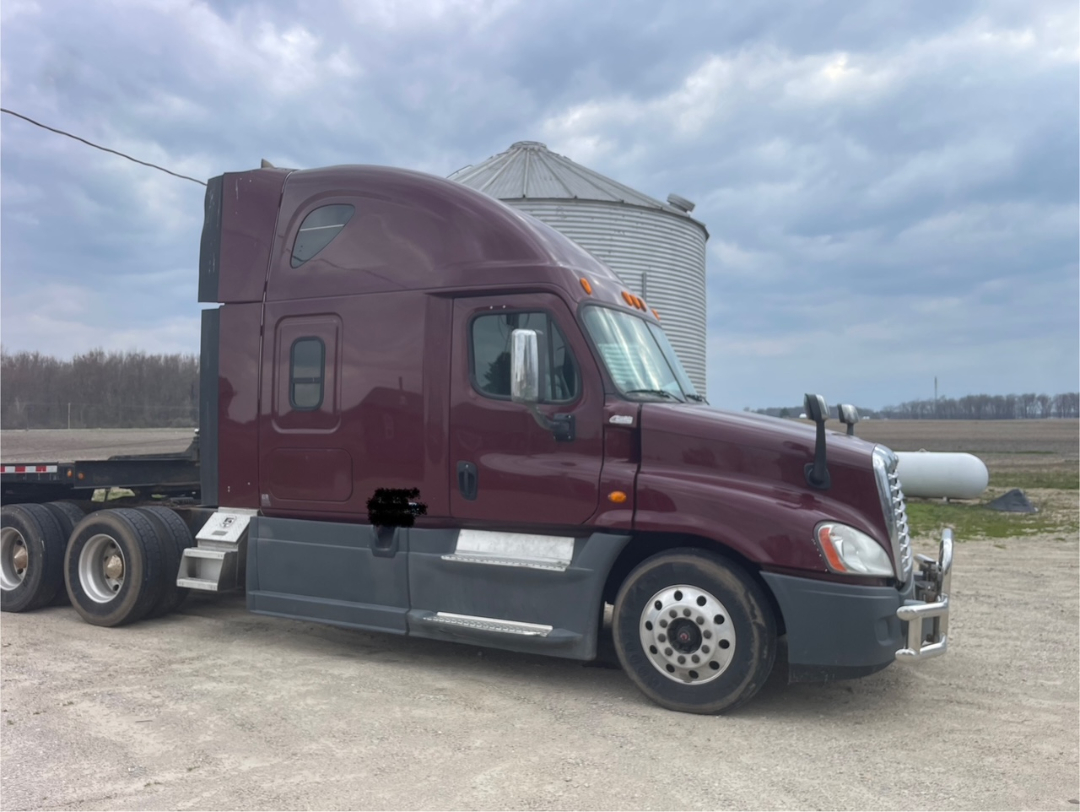
Have freightliner conventional sleeper truck to sell? List it here to reach thousands of buyers.
About Freightliner Conventional Sleeper Trucks in Indiana
Frequently Asked Questions
What should I look for first when buying a used Freightliner conventional sleeper truck?
Start with the engine and emissions history, then move to the transmission, rear axle ratio, and complete maintenance records. On a used Freightliner sleeper, buyers should verify mileage, idle hours, aftertreatment service, coolant and oil change intervals, clutch condition on manual trucks, and any fault code history from the ECM. Sleeper condition matters too because worn bunk components, HVAC issues, and water leaks can add repair cost quickly. A truck with documented preventive maintenance and a drivetrain matched to your freight lane is usually the better buy than one that only looks clean cosmetically.
Which Freightliner sleeper model is most common for long-haul work?
The Freightliner Cascadia is one of the most common long-haul sleeper trucks on the road because it was designed around aerodynamics, driver comfort, and operating efficiency. It is widely spec'd with Detroit power, automated manual transmissions, and mid-roof or raised-roof sleepers for over-the-road applications. The Coronado also appears in sleeper configurations, but it is generally less common than the Cascadia and is often chosen by operators who want a more classic conventional style or specific vocational crossover capability.
What engines and transmissions are common in Freightliner conventional sleeper trucks?
Most late-model Freightliner conventional sleepers are equipped with Detroit diesel engines such as the DD13 or DD15, with horsepower commonly falling in the 400 to 505 range depending on application. Some older or specialty units may have Cummins or glider-style configurations depending on the truck's build history. Transmissions are often Detroit DT12 automated manuals or Eaton manual gearboxes, including 10-speed and 13-speed setups. The best combination depends on your route profile, gross weight, and whether fuel economy, driver familiarity, or simplicity of service is the top priority.
How important is sleeper size on a conventional road tractor?
Sleeper size has a direct effect on driver comfort, storage, truck wheelbase, and total weight. Smaller sleepers can work well for regional operations with occasional overnight stays, while condo sleepers are more practical for long-haul or team use where extra bunk space, cabinets, and room for a refrigerator matter. Buyers should balance cab amenities against maneuverability and payload needs. A larger sleeper can improve retention and comfort, but it also changes the truck's turning radius and may not be necessary for every freight operation.
Are Freightliner sleeper trucks a good fit for Indiana-based operations?
Freightliner sleeper trucks fit Indiana operations well because the state supports a high volume of dry van, reefer, automotive, and general freight traffic, and Freightliner service support is widely available across the Midwest. For fleets and owner-operators running Indiana to surrounding states, a conventional sleeper truck offers the range, comfort, and road-speed gearing needed for regular interstate work. Buyers should spec the truck for the lanes they actually run, especially when considering wheelbase, fuel capacity, axle ratio, and emissions system condition for stop-and-go versus steady highway duty.