
Volvo Conventional Daycab Trucks For Sale in Oklahoma
Shop Volvo conventional daycab trucks in Oklahoma. Compare VNL day cab specs, D13 power, I-Shift transmissions, wheelbases, and axle ratings.
Learn more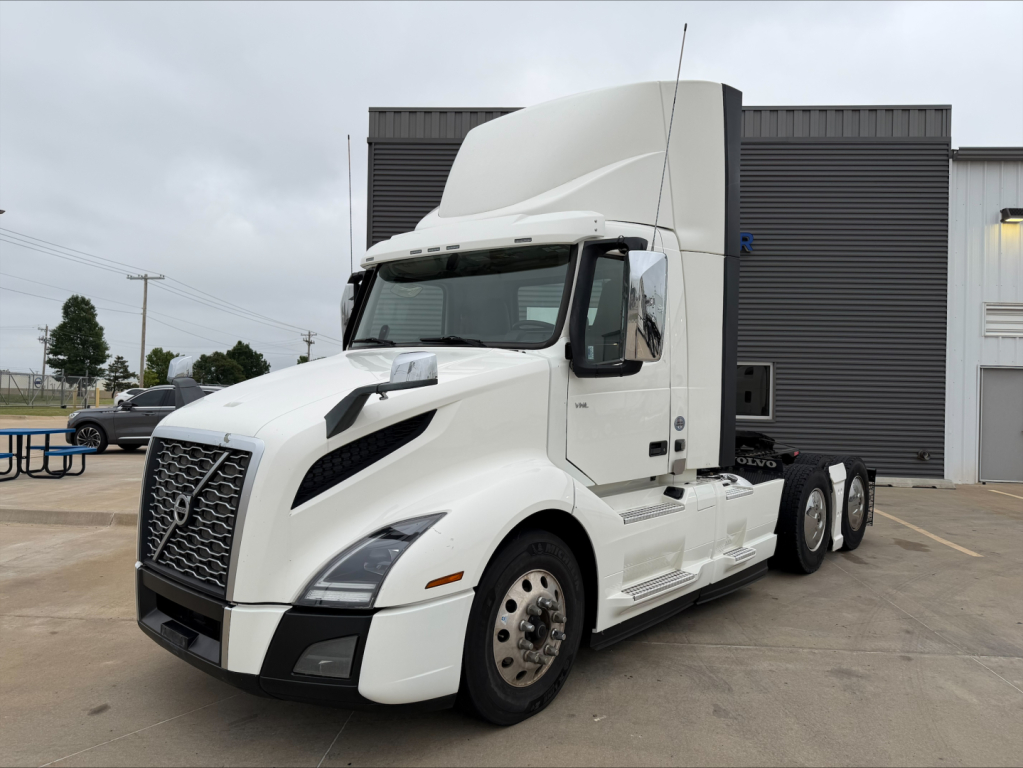
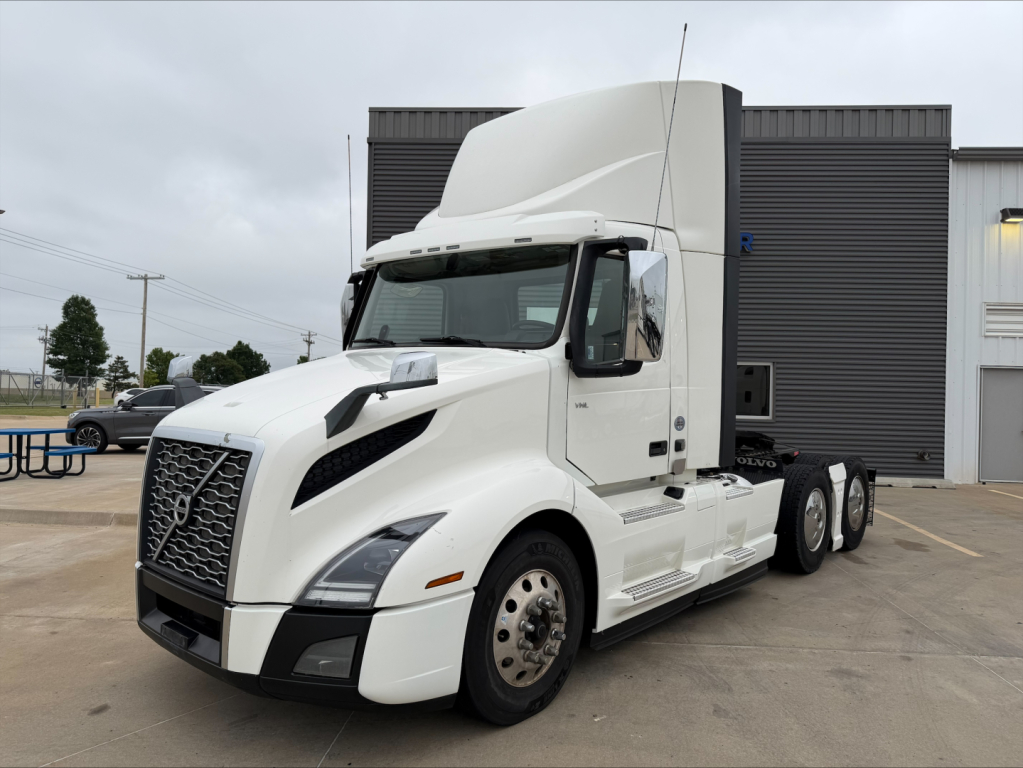
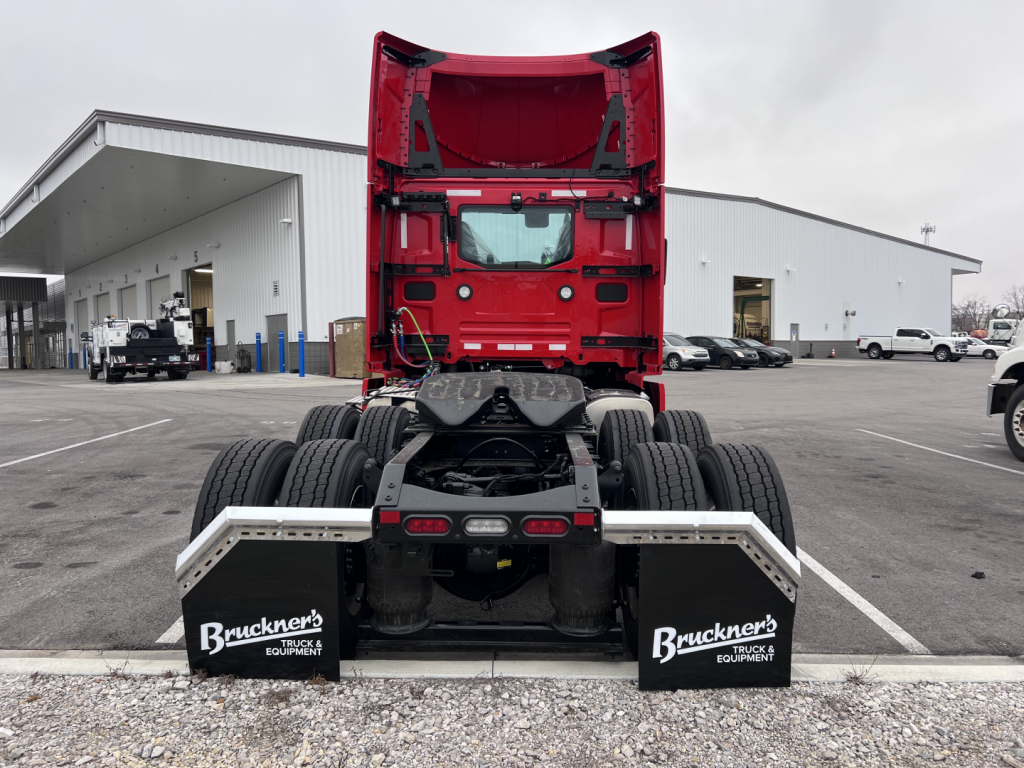
Have volvo conventional daycab truck to sell? List it here to reach thousands of buyers.
About Volvo Conventional Daycab Trucks in Oklahoma
The main spec decisions usually start with engine, transmission, wheelbase, and axle ratings. Many Volvo day cabs on the market carry the D13 engine, commonly in the 405 to 455 horsepower range, paired with the Volvo I-Shift automated manual transmission. That combination is popular because it balances fuel economy, drivability, and reduced driver fatigue. Tandem axle setups with 12,000 to 12,500 lb front axles, 40,000 lb rears, air ride suspension, and highway-friendly ratios such as 2.47 are common on VNL64T300 tractors. Wheelbase matters more than many buyers expect. A shorter wheelbase is easier to maneuver in yards, terminals, and urban delivery points, while a longer wheelbase can improve ride quality, fuel tank capacity, frame space, and room for accessories like wet kits, fenders, toolboxes, and hydraulic equipment.
A used Volvo daycab should be evaluated beyond mileage alone. Pay close attention to service history, aftertreatment performance, clutch life on automated transmissions, suspension condition, and tire wear patterns that may point to alignment or load distribution issues. If the truck will be used for tanker, hopper bottom, end dump, or live floor work, verify PTO compatibility, frame layout, and available back-of-cab clearance. For heavier regional freight, look at gross vehicle weight rating, rear suspension spec, and how the rear ratio matches your average load and cruise speed. Buyers running mostly highway miles may prefer a fuel mileage spec, while short-haul fleets may prioritize turning radius, driver access, and ease of ingress and egress.
Volvo day cabs also tend to attract buyers who value operator retention. The cab layout, seat comfort, steering feel, and I-Shift calibration can make a difference on repetitive regional routes. Parts support and dealer access are important in Oklahoma and surrounding states, especially for fleets trying to minimize downtime. When comparing listings, it helps to separate a true linehaul day cab from a vocationally prepared tractor. The right truck depends on body upfit plans, trailer type, average payload, and how often the truck will run loaded versus empty.
Frequently Asked Questions
What is a Volvo conventional daycab truck best suited for?
A Volvo conventional daycab truck is best suited for regional and local tractor work where overnight accommodations are unnecessary. Common applications include dedicated freight, drayage, tanker, dump, flatbed, and short-haul distribution. The day cab layout reduces weight and overall length compared with a sleeper tractor, which can improve maneuverability and payload potential depending on the spec.
What engine and transmission are common in Volvo VNL day cab trucks?
Many Volvo VNL day cab trucks are equipped with the Volvo D13 engine and Volvo I-Shift automated manual transmission. Horsepower ratings commonly fall in the low-to-mid 400 range, though higher ratings are available depending on the application. This pairing is popular because it delivers strong fuel economy, smooth shifting, and consistent performance in regional service.
How important is wheelbase on a Volvo day cab?
Wheelbase is a major buying decision because it affects maneuverability, ride quality, frame space, and upfit flexibility. A shorter wheelbase generally works better in tight terminals, city deliveries, and jobs with frequent backing. A longer wheelbase can provide a smoother ride, more room for tanks or toolboxes, and better accommodation for accessories such as wet kits or hydraulic systems.
What should I inspect on a used Volvo conventional daycab?
Focus on maintenance records, engine hours, aftertreatment history, transmission operation, suspension wear, brake condition, and tire wear. Check for fault codes, signs of excessive idle time, and evidence of deferred maintenance around the DEF system, DPF, and cooling system. If the truck was used in PTO or vocational service, inspect the frame, driveline setup, and any hydraulic or back-of-cab equipment for proper installation and wear.
Are Volvo day cab trucks good for fuel economy?
Volvo day cab trucks can be very strong fuel economy performers when the truck is spec'd correctly for the route and load. Fuel mileage depends on engine rating, rear axle ratio, transmission programming, cruise speed, tire setup, aerodynamics, and average payload. A highway-oriented day cab with a D13, I-Shift, and tall rear ratio can deliver better efficiency than a heavier vocational spec running lower gearing and stop-and-go duty cycles.