
Volvo Conventional Daycab Trucks For Sale in Florida
Browse Volvo conventional daycab trucks in Florida with common specs, D13 power, I-Shift options, and daycab setups for regional hauling.
Learn more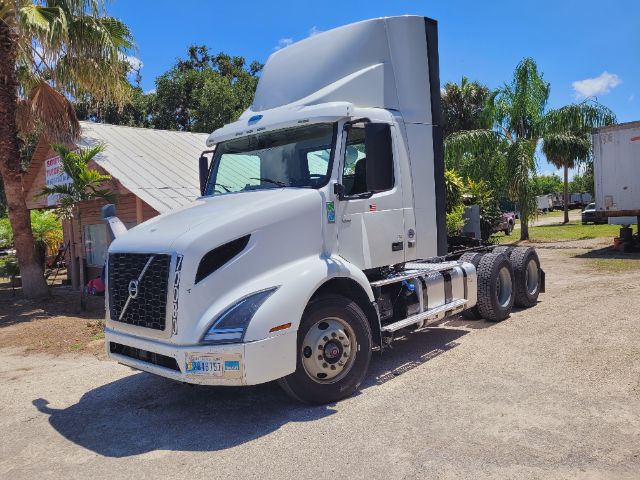
Have volvo conventional daycab truck to sell? List it here to reach thousands of buyers.
About Volvo Conventional Daycab Trucks in Florida
A lot of buyers start with the powertrain, and that is the right place to begin on a Volvo daycab. The Volvo D13 is one of the most common engine choices in this category, typically rated around 405 to 425 horsepower in regional spec trucks. It is frequently paired with the Volvo I-Shift automated manual transmission, usually a 12-speed, which has become a standard choice for fleets that want easier driver onboarding, consistent shift logic, and fuel economy benefits. Rear axle ratios such as 2.64 or 2.80 are common on highway and regional setups, while some trucks are spec'd with single drive axle and tag axle layouts for specialized weight distribution needs. Buyers should match axle rating, ratio, and transmission programming to the actual route profile, especially if the truck will spend time in urban traffic, on flat interstate lanes, or pulling heavier gross weights.
Chassis and cab details make a real difference in daily use. Volvo conventional daycabs often carry air ride suspension, disc brakes on later-model units, adjustable or air slide fifth wheels, aluminum fuel tanks, and aerodynamic fairings with cab extenders. Wheelbases in the mid-170 inch to low-180 inch range are common because they balance trailer clearance with maneuverability. For Florida operations, horizontal exhaust, corrosion condition, A/C performance, and overall cooling system health are worth close attention due to heat, humidity, and stop-and-go duty cycles. If the truck is intended for container work or city delivery, turning radius, fifth wheel travel, and frame layout may matter more than a long fuel range. If it is headed into regional van or reefer service, fuel capacity, fairings, and cruise-friendly gearing move higher on the list.
Volvo daycabs also tend to appeal to buyers who care about driver retention and uptime. The cab layout is quiet, the steering feel is typically light, and the dash and controls are laid out for long workdays without a lot of clutter. When comparing listings, look closely at engine brake spec, suspension type, brake configuration, maintenance history, and emissions system service records. A well-matched Volvo conventional daycab can be a very efficient tractor for Southeast freight if the spec fits the load, the trailer, and the route instead of just the purchase price.
Frequently Asked Questions
What is the difference between a Volvo VNL 300 daycab and a Volvo VNR daycab?
The Volvo VNL 300 is generally associated with highway and regional linehaul styling, while the VNR is designed more directly around regional and urban distribution work. Both can be configured as conventional daycabs, and both are commonly built with Volvo D13 engines and I-Shift transmissions. The real difference usually comes down to chassis layout, wheelbase options, maneuverability, aero package, and the intended duty cycle rather than a simple good-versus-bad comparison.
What engine and transmission are most common in Volvo conventional daycab trucks?
The most common setup is a Volvo D13 diesel engine paired with a Volvo I-Shift automated manual transmission. In this category, horsepower ratings around 405 to 425 are typical for regional hauling, dedicated freight, and general tractor service. This combination is popular because it balances fuel economy, drivability, and broad parts and service familiarity in fleet use.
Are Volvo daycab trucks good for Florida regional hauling?
Yes. Volvo conventional daycabs are well suited for Florida freight because they are comfortable in stop-and-go traffic, efficient on flat regional routes, and easier to maneuver than longer sleeper tractors. They are commonly used for distribution, container hauling, local tanker work, and terminal runs. Buyers in Florida should pay extra attention to air conditioning performance, cooling system condition, tire wear, and any corrosion or salt exposure if the truck has worked near ports or coastal areas.
What specs matter most when buying a used Volvo daycab?
The most important specs are engine rating, transmission model, rear axle ratio, axle capacity, wheelbase, suspension type, and fifth wheel setup. Those items determine how well the truck will pull its intended load and how efficiently it will run on your routes. After that, service history, emissions maintenance, brake type, tire condition, and cab equipment become key decision points because they affect operating cost and downtime.
Is a single axle Volvo daycab better than a tandem axle setup?
It depends on the job. A single axle or single drive with tag configuration can reduce weight and work well in certain regional or specialized applications, but a tandem axle setup usually gives you more flexibility for heavier trailers and higher gross combination weights. The right choice depends on payload, bridge law considerations, trailer type, and how often the truck will operate in tight urban spaces versus heavier highway service.