
International Conventional Daycab Trucks For Sale in New Mexico
Shop International conventional daycab trucks for regional haul, port work, and local delivery with specs buyers compare most.
Learn more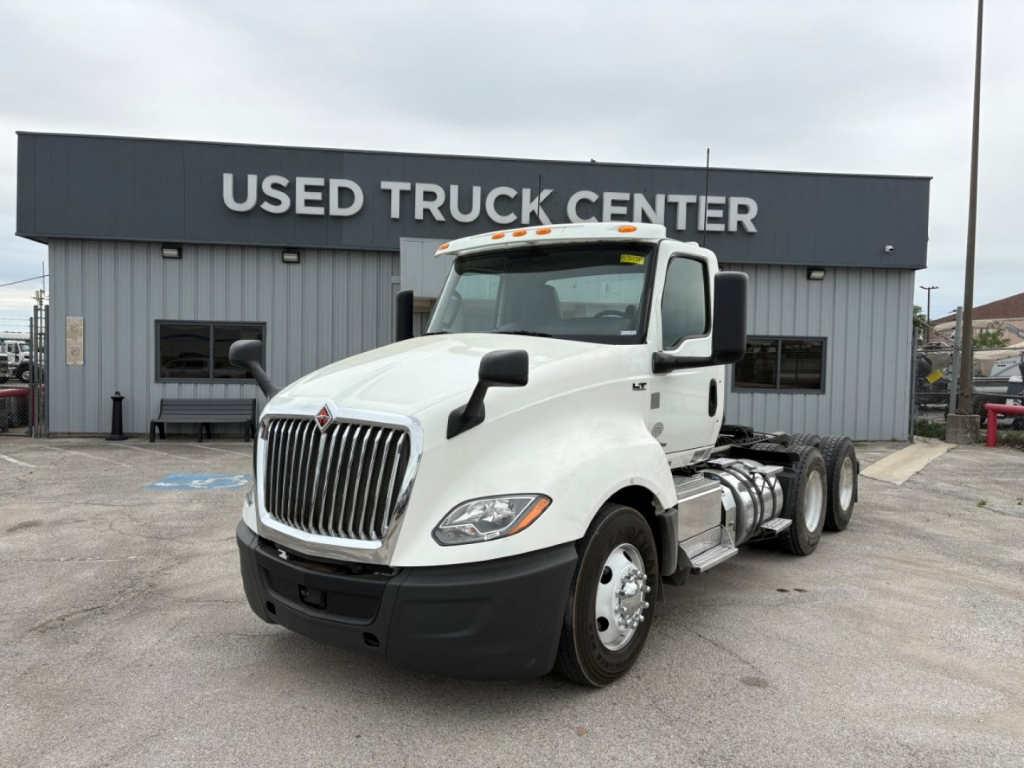
Have international conventional daycab truck to sell? List it here to reach thousands of buyers.
About International Conventional Daycab Trucks in New Mexico
Powertrain choice is usually the first real buying decision. Many International daycabs are spec'd with Cummins X15 engines in ratings that fit regional haul and weight-sensitive applications, often paired with automated manual transmissions such as the Eaton Endurant or traditional manual boxes depending on fleet preference. Buyers should compare horsepower, torque, rear axle ratio, wheelbase, and suspension setup against the trailer types and average payload they expect to pull. A tandem axle daycab with around a 40,000 lb rear axle rating and air ride suspension is a common configuration for van, reefer, and container work, while wheelbase selection affects turning radius, ride quality, and how the tractor balances with different trailer lengths and kingpin settings.
Cab layout and operating environment matter just as much as the drivetrain, especially in New Mexico where long stretches of highway, elevation changes, wind exposure, and hot-weather operation can all influence spec decisions. International day cabs are generally chosen for their straightforward controls, practical driver ergonomics, and aerodynamic hood design that supports fuel economy on regional lanes. Buyers comparing units should look closely at cooling system condition, emissions system service history, AMT calibration, brake and tire wear, and front axle capacity if the truck will see heavier trailer tongue weights or demanding duty cycles. For fleets running consistent routes, matching rear ratio and transmission gearing to cruise speed can make a noticeable difference in fuel burn and driver satisfaction.
A good International conventional daycab should fit the lane before it fits the budget. The best value usually comes from a tractor spec'd correctly for start-stop regional service, drop-and-hook freight, or port and warehouse work rather than one with the highest horsepower on paper. If the truck will spend most of its time on 53-foot dry vans or reefers, prioritize aerodynamic efficiency, axle ratings, and a wheelbase that works well around docks. If it will handle heavier loads or more demanding terrain, pay closer attention to torque rating, cooling capacity, suspension condition, and drivetrain history. That approach gives buyers a clearer way to compare listings and narrow in on the right International daycab for the job.
Frequently Asked Questions
What is an International conventional daycab truck best used for?
An International conventional daycab truck is best suited for regional hauling, local and dedicated routes, drayage, terminal work, and other operations where the driver returns home daily. The day cab configuration removes the sleeper, which reduces overall length and often improves maneuverability in yards, docks, and urban delivery environments. It is a practical choice for fleets focused on productivity, frequent stops, and efficient trailer interchange rather than long-haul over-the-road runs.
What specs matter most when buying a used International daycab?
The most important specs are engine rating, transmission type, rear axle ratio, wheelbase, axle capacities, suspension, and emissions system history. Those numbers determine how the truck will perform with your trailer type, payload, average speed, and route profile. A buyer pulling standard van or reefer freight may prefer a fuel-efficient regional spec, while a buyer handling heavier loads or hilly terrain may need more torque, different gearing, and stronger cooling performance.
Are International LT daycabs good for regional fleet service?
International LT daycabs are commonly used in regional fleet service because they are designed around aerodynamic efficiency, driver comfort, and straightforward highway operation. They are often spec'd with modern powertrains and automated manual transmissions that help standardize operation across multiple drivers. For regional fleet use, the real advantage comes from finding a consistent spec that matches route demands, maintenance practices, and trailer pairings across the operation.
How does wheelbase affect an International conventional daycab?
Wheelbase affects turning radius, bridge law flexibility, ride quality, and how the tractor matches with trailer kingpin settings. A shorter wheelbase is generally easier to maneuver in tighter facilities and city environments, while a longer wheelbase can improve ride and stability on highway routes. The right choice depends on dock layout, trailer length, axle spread requirements, and the type of freight movement the truck handles most often.
Is a daycab better than a sleeper for New Mexico routes?
A daycab is often the better choice for New Mexico routes when the operation is regional, local, or dedicated and does not require overnight stays in the truck. It offers a lighter, simpler configuration that can work well for long highway stretches, distribution loops, and terminal-based freight. A sleeper still makes more sense for extended over-the-road use, but for same-day return routes, a daycab usually provides better efficiency and a more job-specific tractor setup.