
International Conventional Daycab Trucks For Sale in Kansas
Browse International conventional daycab trucks with tandem axles, diesel power, and spec options suited for regional haul, local freight, and vocational work.
Learn more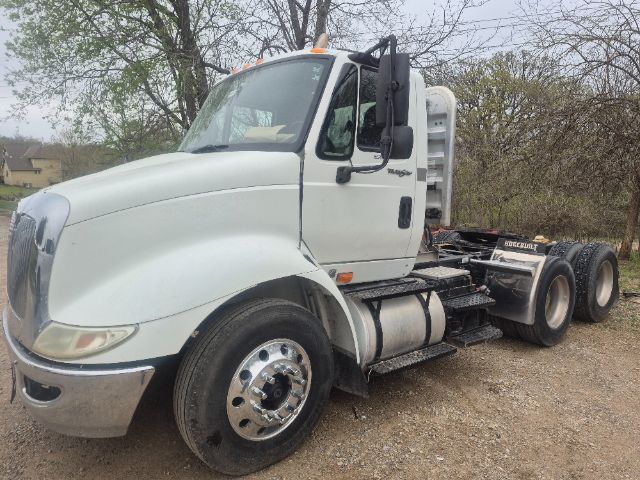
Have international conventional daycab truck to sell? List it here to reach thousands of buyers.
About International Conventional Daycab Trucks in Kansas
Within the International lineup, conventional daycabs often show up with work-oriented engines such as the Navistar N13 or Cummins ISM, typically paired with 10-speed or 13-speed manual transmissions. Horsepower in this class commonly lands in the mid-300s to low-400s, enough for regional freight without pushing operating costs as high as a heavier over-the-road spec. Rear axle ratios matter more than many buyers expect. A faster ratio like 2.47 can favor highway fuel economy and steady-speed lane work, while something deeper such as 3.90 tends to suit mixed terrain, heavier starts, and vocational use. Engine brakes, air ride suspension, air slide fifth wheels, and dual fuel tanks are all common features that affect both route flexibility and driver comfort.
Kansas buyers often need a truck that can cover interstate miles, grain and ag support work, and short-haul industrial freight without being overbuilt. That makes the conventional daycab a strong middle-ground spec. It offers better forward visibility and service access than a cabover, but it still keeps overall length manageable compared with a sleeper tractor. When comparing listings, pay attention to suspension type, front axle rating, tire size, and fuel capacity, along with signs of recent clutch, turbo, brake, or driveline work. On used International daycabs, maintenance records can be just as important as the badge on the hood, especially on older pre-emissions or early emissions-era trucks where engine history has a direct impact on uptime.
A good International daycab should match the trailer and route profile, not just the price point. A fleet pulling mostly 53-foot vans on flatter highways may prefer a lighter, fuel-conscious spec, while a buyer handling farm commodities, construction materials, or mixed backroad service may want a stronger transmission, a deeper ratio, and more forgiving suspension. Cab equipment also matters in daily use. Air ride seats, telescoping steering, HVAC performance, mirror spec, and fairings can make a noticeable difference for drivers who are climbing in and out all day. In this category, the best choice is usually the truck with the clearest service history, the most appropriate gearing, and a chassis spec that fits the work without adding unnecessary weight or complexity.
Frequently Asked Questions
What is an International conventional daycab truck best used for?
An International conventional daycab truck is best suited for regional hauling, local freight movement, port and rail drayage, and vocational tractor applications where the driver returns daily and does not need sleeper accommodations. The conventional hood design provides solid cooling capacity, easier engine access for service, and a familiar driving position. This category is commonly used with dry vans, flatbeds, tankers, end dumps, and commodity trailers depending on the axle, suspension, and gearing spec.
What specs matter most when comparing used International daycab trucks?
The most important specs are engine model, horsepower, transmission type, rear axle ratio, suspension, wheelbase, and axle ratings. Those details determine how the truck starts under load, cruises at highway speed, and handles specific trailers or commodities. Buyers should also review fuel capacity, fifth wheel type, tire size, and recent repairs such as clutch, brakes, turbo, or driveline work, because those items directly affect near-term operating cost.
Is a 10-speed or 13-speed transmission better in an International daycab?
A 10-speed manual is a common choice for general freight and regional lane work because it is simple, familiar, and cost-effective to operate. A 13-speed can be a better fit for mixed terrain, heavier loads, or applications where closer gear splits help maintain engine speed and pulling power. The better transmission depends on the route, gross weight, and how often the truck starts on grades or works off-pavement.
What rear axle ratio should I look for in a daycab tractor?
Rear axle ratio should match the truck's job. A numerically lower ratio such as 2.47 is typically chosen for highway efficiency and lower engine rpm at cruising speed. A numerically higher ratio such as 3.90 is generally better for heavier loads, frequent stops, and routes with hills or secondary roads. Buyers should consider trailer weight, average speed, and tire size before deciding which ratio is the better long-term fit.
Are older International daycab trucks a good buy for Kansas operations?
Older International daycab trucks can be a strong value if the chassis has the right spec and the maintenance history is well documented. In Kansas, many operations need a truck that can handle a mix of interstate travel, agricultural support, and local industrial hauling, so a durable tandem axle daycab often fits well. The key is to verify engine and emissions history, inspect the driveline and suspension, and confirm that the gearing and wheelbase are appropriate for the intended trailer and terrain.